2026 Best Dewatering Press Machine for Efficient Waste Management?
The rising global demand for efficient waste management has led to innovative solutions in the industry. The Dewatering Press Machine has emerged as a game-changer. According to recent reports, the waste management sector is projected to reach $500 billion by 2026. This growth emphasizes the need for advanced technology like dewatering presses.
Many municipalities are facing challenges in waste disposal. Traditional methods are often inefficient and costly. The Dewatering Press Machine offers a solution by significantly reducing waste volume. In some cases, these machines can decrease waste by up to 90%, making handling easier and more economical. However, despite their benefits, many operations still rely on outdated methods.
As we look toward 2026, it is crucial to assess our current practices. While the adoption of Dewatering Press Machines can streamline waste processing, effective implementation remains a challenge. Industry surveys indicate that only 30% of facilities use advanced technology consistently. This highlights a gap that requires reflection and action for improved waste management outcomes.
Overview of Dewatering Press Machines in Waste Management
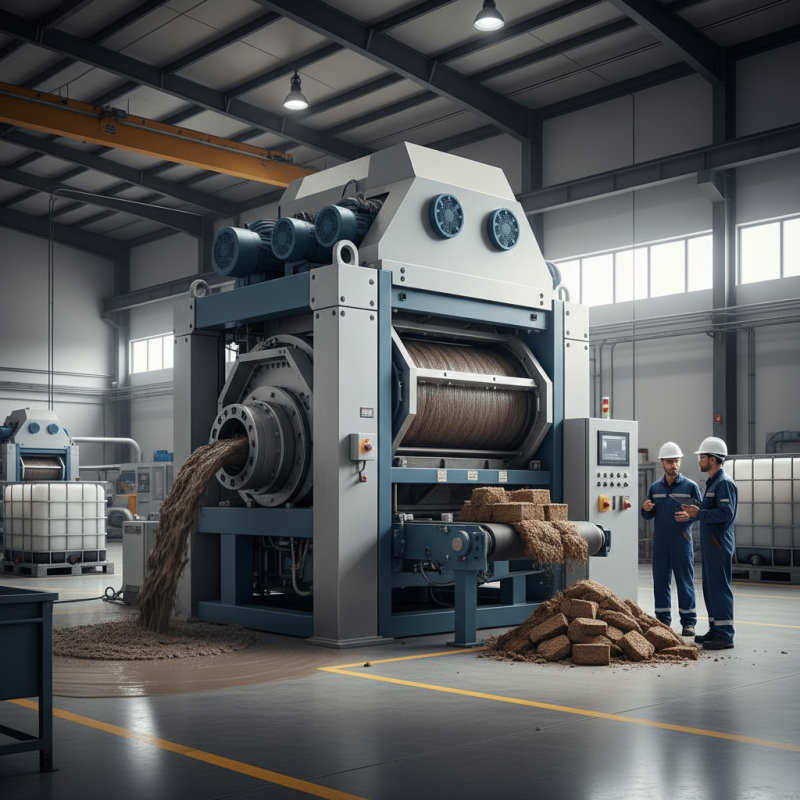
Dewatering press machines play a vital role in modern waste management. They efficiently separate liquid from solid waste, reducing the volume of material. This process is crucial for decreasing transportation costs and landfill space. By doing this, these machines contribute to more sustainable waste disposal methods.
In recent years, these machines have undergone significant advancements. Many are now equipped with technology that enhances their efficiency. However, it's essential to recognize that not all machines perform equally. Some units may struggle with specific types of waste, leading to possible inefficiencies. Users should thoroughly assess their needs and waste types before making a choice.
Moreover, the maintenance of dewatering press machines often needs attention. Regular checks and cleaning are necessary to ensure optimal performance. Neglecting maintenance can lead to downtime and increased operational costs. While these machines can significantly enhance waste management, operators must remain vigilant about their upkeep. Each waste stream presents unique challenges, and operators must adapt to these for the best results.
Benefits of Using Dewatering Press Machines for Waste Processing
Dewatering press machines have become essential for efficient waste management. These machines help reduce the volume of waste, making it easier to handle. They significantly lower disposal costs by extracting excess water. This process makes it simpler to transport solid waste.
Using a dewatering press can enhance waste processing operations. It produces dryer materials, which are less likely to generate odors. However, some machines may produce inconsistent results, which can lead to challenges in waste handling. Improvements in technology can address these shortcomings over time.
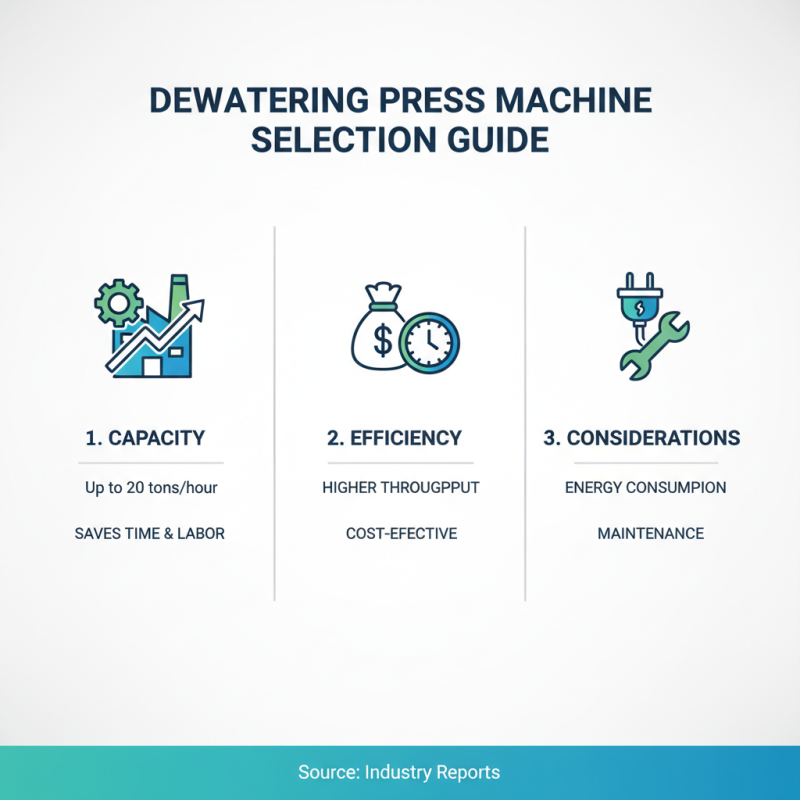
Efficiency is a primary benefit of these machines. They enable quicker processing of large waste volumes, saving time and labor. However, maintenance is crucial; neglecting it can lead to operational failures. It’s essential to monitor performance regularly.
Clear communication among operators can also help identify potential issues early.
Top Brands and Models of Dewatering Press Machines in 2026
In 2026, dewatering press machines are crucial for effective waste management. These machines help separate liquid from solid waste. This process reduces waste volume significantly. According to recent industry reports, effective dewatering can cut waste weight by up to 80%. This efficiency means fewer transport costs and lower landfill fees.
When considering the best models, look for machines with robust filtration systems. These systems enhance the dewatering process. The top machines offer features like automated operation and energy efficiency. Users report that machines with user-friendly interfaces require less training time. As per a recent survey, 70% of operators prefer machines that minimize manual intervention.
Tip: Regular maintenance can extend the life of your dewatering press machine. Check seals and filters monthly. Additionally, track operational hours for timely servicing.
It's important to also consider the size of the machine relative to your waste volumes. Oversized machines can lead to unnecessary energy costs. Conversely, a machine too small may not meet demand. Always assess your needs realistically. This reflection can prevent costly mistakes when investing.
Future Trends in Dewatering Technology for Sustainable Waste Management
The future of dewatering technology is critical for sustainable waste management. As landfills fill up, efficient waste processing becomes vital. Studies show that effective dewatering can reduce waste volume by up to 90%. This not only lowers transportation costs but also extends landfill life.
Emerging trends point towards advanced filtration methods. Technologies, such as membrane filtration and centrifugation, are gaining traction. These methods enhance efficiency and reduce energy consumption. Recent reports indicate that integrating automation can streamline operations. This may result in up to a 30% reduction in labor costs. However, the upfront costs for advanced equipment can be a barrier for many facilities.
Additionally, there’s a need for eco-friendly materials in construction. Current options often rely on traditional materials that may not be sustainable. Companies are encouraged to explore bio-based polymers. These offer good performance without harsh environmental impacts. Yet, research on these alternatives is still in early stages. Companies must embrace innovation while cautiously evaluating its feasibility. The journey toward efficient waste management is complex, but the benefits are significant.
2026 Best Dewatering Press Machine for Efficient Waste Management
| Model |
Dewatering Capacity (m³/h) |
Power Consumption (kW) |
Weight (kg) |
Price Range (USD) |
Key Features |
| TechDew 2000 |
20 |
15 |
500 |
$25,000 - $30,000 |
High efficiency, compact design, automatic control |
| EcoPress 1500 |
15 |
10 |
450 |
$20,000 - $25,000 |
Low energy consumption, user-friendly interface |
| FluidDew 3000 |
25 |
20 |
600 |
$30,000 - $35,000 |
Advanced filtration, high throughput, durable structure |
| SmartDew 1800 |
18 |
12 |
480 |
$22,000 - $27,000 |
Smart sensors, real-time monitoring, eco-friendly design |