A Disc Type Air Diffuser may look like a simple component: a circular membrane releasing fine bubbles across an aeration tank. Its real value appears in operating data. Buyers must compare oxygen transfer, airflow requirements, fouling resistance, membrane life, and ease of replacement—not appearance alone.
The United Nations World Water Development Report 2017 estimated that the world generates about 380 billion cubic metres of wastewater each year. It projected increases of 24% by 2030 and 51% by 2050. Those figures make efficient, dependable treatment equipment increasingly important. They do not, however, identify one universally best diffuser. Tank geometry, wastewater characteristics, blower controls, and maintenance practices all affect results.
For a technical basis, ASCE/EWRI Standard 2-06 describes methods for measuring oxygen transfer in clean water. Real wastewater conditions can differ, so buyers should request relevant test methods and operating assumptions. Aeration researcher Dr. David Rosso’s published work provides useful context on oxygen-transfer efficiency and energy use. I could not verify a specific verbatim quotation from him about disc diffusers; inventing one would mislead readers. A practical question remains: does the supplier provide comparable performance data, membrane specifications, and clear maintenance guidance? Small details matter. This guide examines how global buyers can assess those details when choosing a Disc Type Air Diffuser in 2026.
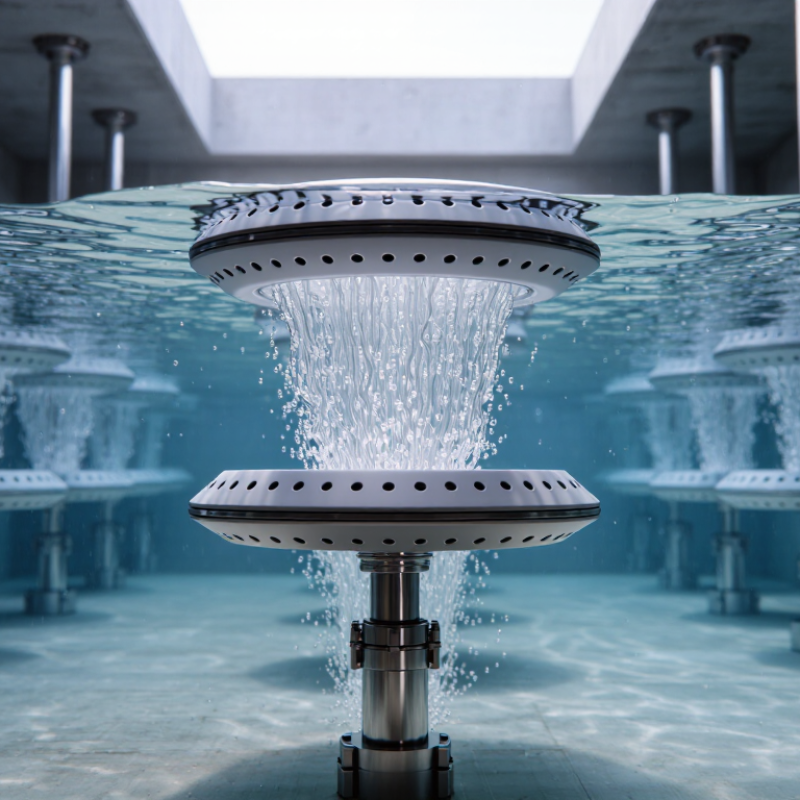
A disc type air diffuser is an aeration device fitted near the bottom of a tank. It connects to an air pipe and disperses supplied air through openings across its disc-shaped surface. The diffuser may use a flexible membrane with small slits or a porous ceramic element. As air escapes, it forms bubbles that rise through the water. Smaller bubbles offer more contact area with the water, which can help transfer oxygen. But bubble size alone does not determine performance. Water depth, airflow, fouling, and wastewater conditions all matter. No diffuser works alone.
In a treatment plant, operators may inspect discs for uneven bubbling, blocked openings, or worn membranes. A patch of large bubbles can signal damage or fouling, though it is not a diagnosis by itself. Membrane models can be easier to service, while porous elements may need different cleaning and handling. Check compatibility with the system’s airflow range, tank layout, and maintenance routine before choosing a disc. The simple definition hides a practical complication: two discs with similar dimensions may behave differently under real operating conditions. I would treat catalogue figures as a starting point, then verify performance with site data.

A disc type air diffuser works by spreading compressed air across a submerged, circular membrane. Air travels through a pipe into the diffuser’s central chamber, then passes through small openings in the membrane. These openings release many bubbles into the water. Small bubbles usually provide more contact area for oxygen transfer, though actual performance depends on airflow, water depth, and wastewater conditions.
The details matter. At low airflow, bubbles may form unevenly across the disc; excessive airflow can create larger bubbles and waste energy. Operators often check pressure readings and inspect bubble patterns during routine maintenance. A steady, fine-bubble plume is a useful sign, but it does not prove that oxygen transfer is optimal. Membrane wear, mineral deposits, and uneven air distribution can change performance over time.
Not every installation behaves alike. A diffuser tested in clean water may perform differently in wastewater containing solids or oils. That difference is easy to underestimate. Buyers should compare airflow range, operating depth, membrane material, and cleaning requirements against actual site conditions. Even careful sizing can miss something: water quality and maintenance habits vary, so field checks remain important after installation.
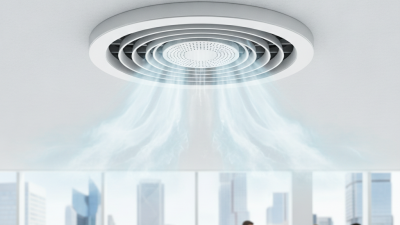
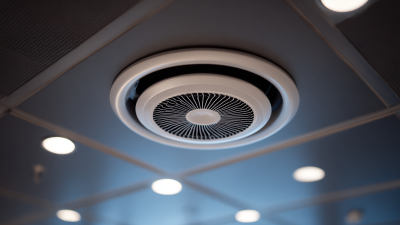
A disc type air diffuser can suit offices, shops, and light industrial rooms, but the best design depends on ceiling height and airflow needs. Adjustable disc models let installers alter the discharge pattern, which can help when room use changes. Fixed-pattern designs are simpler and may suit spaces with steady layouts. Check the specified airflow range and pressure drop, not just the diffuser’s diameter. A unit that looks right can still create drafts or uneven coverage.
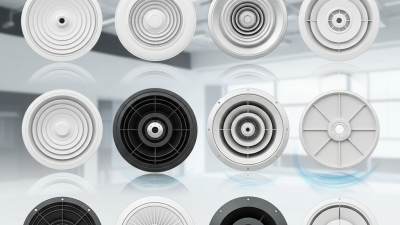
Material choice should follow the environment. Aluminum is lightweight and practical for many indoor ceilings; steel offers a sturdy option where impact resistance matters. In humid or wash-down areas, corrosion-resistant finishes or suitable stainless steel may be worth considering. Polymer models can resist moisture, though temperature limits and cleaning chemicals need checking. Details matter. Confirm that the finish, mounting method, and access for cleaning match the site conditions. In a small meeting room, a quiet, adjustable outlet may be more useful than maximum throw. In a large open area, coverage and coordinated balancing deserve more attention. There is no universal winner. Even careful selection can miss how furniture or beams redirect air, so commissioning measurements remain important.
Material suitability by application — an indicative selection guide (1 = lower suitability, 5 = higher suitability).
Stainless steel is generally a strong choice for hygiene-critical, corrosive, or higher-temperature environments. Aluminum suits many standard HVAC installations; ABS can be a lightweight option for ordinary indoor conditions. For design, fixed-disc models suit straightforward airflow control, while adjustable-disc models allow airflow balancing. Confirm operating temperature, chemical exposure, fire requirements, and manufacturer specifications before selection. Ratings are comparative guidance, not test results or a universal standard.
Global buyers should compare disc-type air diffusers under the same operating conditions. Request airflow, static pressure, and sound data at several flow rates, not just one advertised point. A diffuser that performs quietly at low airflow may become noisy when a room needs more cooling. Ask for test methods and installation details. Small differences in ceiling height or plenum design can change the result.
Look beyond air volume. Check how evenly the diffuser spreads air, whether nearby occupants may feel drafts, and how well the disc can be adjusted. If possible, review test reports or inspect a sample in a representative ceiling setup. Measurements matter. A quick showroom impression is not enough. I would also question results that lack clear test conditions; they are hard to compare fairly.
Purchase price is only one part of cost. Include shipping, installation time, access for cleaning, replacement parts, and expected service life. Compare materials and finishes against the humidity and cleaning routine of the intended space. A cheaper unit may need more adjustment or maintenance, though that is not guaranteed. I would calculate total cost across a realistic service period, then revisit the assumptions with local installers. Estimates can be imperfect. Better to show that uncertainty than hide it.
For a disc-type air diffuser, long-term reliability begins above the ceiling. Confirm the neck size, mounting depth, and plenum connection before installation. A twisted collar or uneven gasket can cause air leakage, rattling, and uneven room distribution. Secure the diffuser evenly, but do not overtighten screws and distort the disc. Then measure airflow at the outlet and compare it with the design schedule. A visually centered diffuser can still deliver the wrong air volume. Small details matter.
Maintenance should protect the disc’s position and the airflow path. During scheduled HVAC inspections, check for loose fasteners, dust buildup, damaged finishes, and changes in noise or air pattern. Clean with a soft cloth and a non-abrasive method; harsh tools can scratch surfaces or alter clearances. Recheck airflow after ceiling work or system balancing. Lawrence Berkeley National Laboratory’s 2009 commissioning report found median whole-building energy savings of 16% in existing buildings and 13% in new buildings. These figures are not diffuser-specific, but they show why verifying system performance matters. One limitation remains: a clean diffuser alone cannot correct poor duct balancing or an unsuitable plenum.
| Reliability Factor | What to Check | Effect on Long-Term Performance | Recommended Practice |
|---|---|---|---|
| Membrane material and process compatibility | Confirm membrane material, wastewater chemistry, operating temperature, and exposure to oils, solvents, or cleaning chemicals. | Incompatible materials may swell, harden, crack, or lose elasticity, increasing air leakage and replacement frequency. | Select a membrane based on the actual process conditions and chemical exposure; review the supplier’s compatibility data before purchase. |
| Diffuser spacing and layout | Check diffuser quantity, spacing, tank geometry, and proximity to walls, baffles, and settled solids. | Poor distribution can create uneven aeration, localized fouling, and areas with insufficient oxygen transfer. | Use a layout designed for the tank and process. Keep installation positions consistent with the approved drawings. |
| Mounting level and connection security | Verify that each disc is level, firmly seated, and connected to the drop pipe or manifold without damaged threads or seals. | Loose or uneven installations can cause air leaks, uneven bubbling, vibration, or mechanical damage. | Follow the specified torque and assembly sequence. Avoid overtightening, and inspect connections before submerging the system. |
| Header slope and condensate drainage | Check pipe supports, low points, drain locations, and whether condensate can collect in the air distribution piping. | Accumulated condensate can obstruct airflow, contribute to corrosion, and cause uneven air delivery. | Install piping to the project design, provide accessible drains where required, and verify drainage during commissioning. |
| Air pressure and flow distribution | Record operating pressure and airflow, and compare readings with the diffuser and system design data. | Excessive pressure can increase energy use and stress components; inadequate or uneven flow can reduce aeration performance. | Set blower controls to the required operating range. Investigate changes in pressure or airflow rather than compensating without diagnosis. |
| Air quality and upstream filtration | Assess dust, oil aerosols, moisture, and other contaminants in the blower air supply. | Contamination can foul membrane openings or affect elastomer materials, raising pressure loss and reducing airflow. | Maintain blower intake filters and follow the air-treatment requirements for the selected diffuser and site conditions. |
| Startup and shutdown procedure | Review blower sequencing, pressure ramp-up, process downtime, and the possibility of water entering the air system. | Sudden pressure changes or backflow can damage membranes and connected piping, especially during intermittent operation. | Use the specified startup sequence and suitable isolation or check-valve arrangements where the system design requires them. |
| Fouling and cleaning approach | Track visible bubbling patterns, pressure trends, process loading, and evidence of mineral or biological deposits. | Fouling can reduce active membrane area and increase the pressure needed to deliver the required airflow. | Establish inspection and cleaning intervals from operating data. Use only cleaning methods and chemicals approved for the membrane material. |
| Routine performance monitoring | Trend blower pressure, airflow, dissolved oxygen where relevant, and energy use under comparable operating conditions. | Gradual changes may reveal fouling, leaks, membrane aging, or distribution problems before major performance loss occurs. | Keep a commissioning baseline and compare later readings with it; inspect the system when sustained deviations appear. |
| Access for inspection and replacement | Confirm that isolation points, lifting arrangements, walkways, and replacement access are practical for the tank design. | Limited access can delay inspections and repairs, extending the time that a damaged or underperforming diffuser remains in service. | Plan maintenance access during design and keep compatible replacement parts available for critical process areas. |