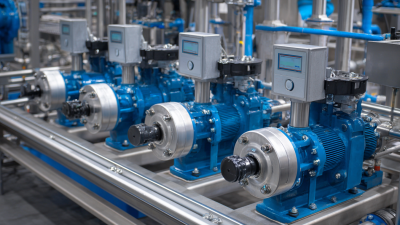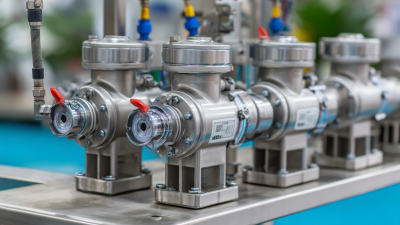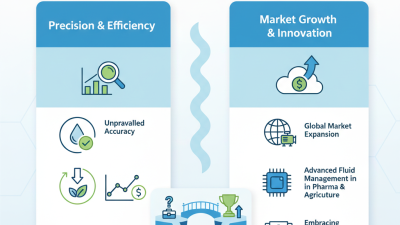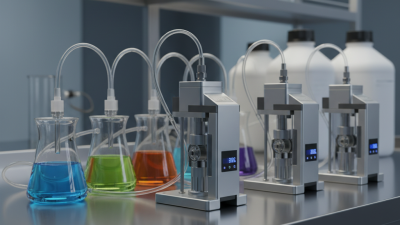
In today's industrial landscape, the demand for efficient dosing solutions is growing rapidly. Metering dosing pumps are crucial in various sectors, including water treatment and pharmaceuticals. Their ability to provide precise fluid delivery enhances process reliability and product quality.
As companies seek sustainable and cost-effective solutions, metering dosing pump technology continues to evolve. Buyers must consider factors like pump accuracy, material compatibility, and maintenance requirements. In 2026, global buyers will face a multitude of options, each with unique features and capabilities.
However, navigating this complex market poses challenges. Not all pumps meet the necessary standards, and technology can vary significantly. It's essential for buyers to stay informed and seek advice from industry experts. Understanding the differences and potential pitfalls will help ensure an optimal choice that aligns with operational needs. The right metering dosing pump can significantly impact efficiency and overall success.
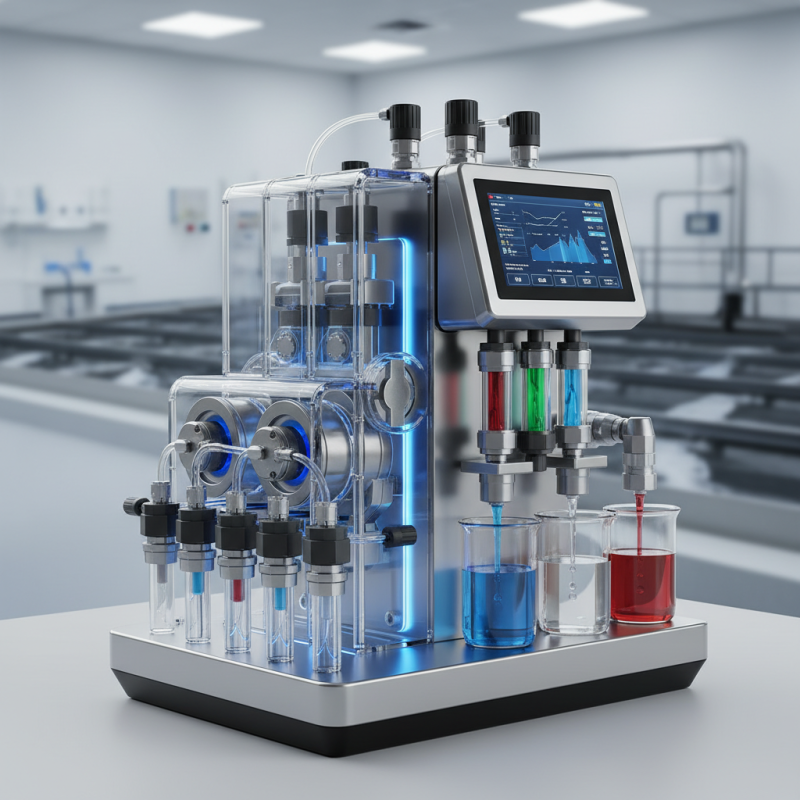
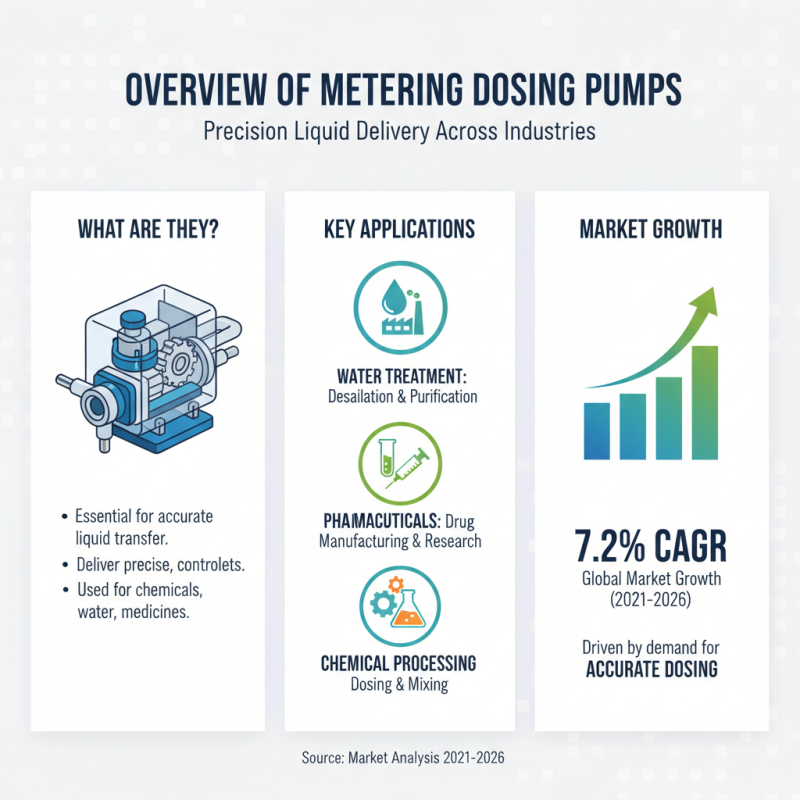
Metering dosing pumps are essential in various industries, including water treatment, pharmaceuticals, and chemicals. They ensure precision in the delivery of liquid substances. According to a recent market analysis, the global metering pump market is expected to grow at a CAGR of 7.2% between 2021 and 2026. This growth is largely due to increasing demand for accurate dosing in processes.
These pumps serve multiple applications, from chemical processing to food and beverage production. For instance, they efficiently handle viscous fluids, maintain consistent flow rates, and minimize waste. This versatility makes them a preferred choice for manufacturers. However, challenges exist, such as the need for regular maintenance to prevent wear and tear. Neglecting upkeep can lead to pump inefficiencies.
Tip: Always monitor pump performance metrics to enhance operational efficiency. Regular calibration checks can also help maintain accuracy.
Selecting the right metering pump involves understanding specific application needs. Not all pumps are suited for high-viscosity fluids. Incompatible pumps may face operational challenges, leading to increased costs and downtime. User education plays a critical role here. Many practitioners may not fully grasp pump capabilities. Engaging with industry experts can provide clarity and improve decision-making.
Tip: Consider scale and environment when choosing a pump. Proper sizing can reduce energy costs and improve lifespan.
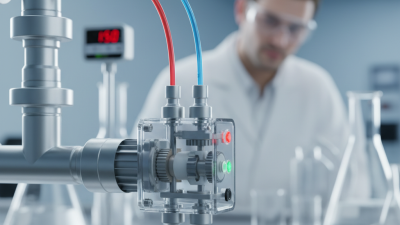
When selecting metering dosing pumps, several features stand out. The pump's flow rate is crucial. This defines how much fluid the pump can handle over time. Accurate flow rates ensure efficient operations. Precision is key, as it impacts production quality. Consider pumps that maintain accuracy across varying conditions. This adaptability is beneficial in dynamic environments.
Another vital feature is the pump’s construction materials. Common materials include stainless steel and plastics. Each material has its properties. For instance, stainless steel is robust and resistant to corrosion. On the other hand, plastics may be lighter but can degrade faster under harsh conditions. Assess the chemical compatibility of each material with the fluids being pumped.
Lastly, think about maintenance and support. Some pumps require regular upkeep, while others are more user-friendly. It's essential to ensure that replacement parts are readily available. Additionally, good technical support can guide you through issues. Reflect on your needs and choose a pump that aligns with them. It’s crucial to balance performance and practicality in your decision-making process.
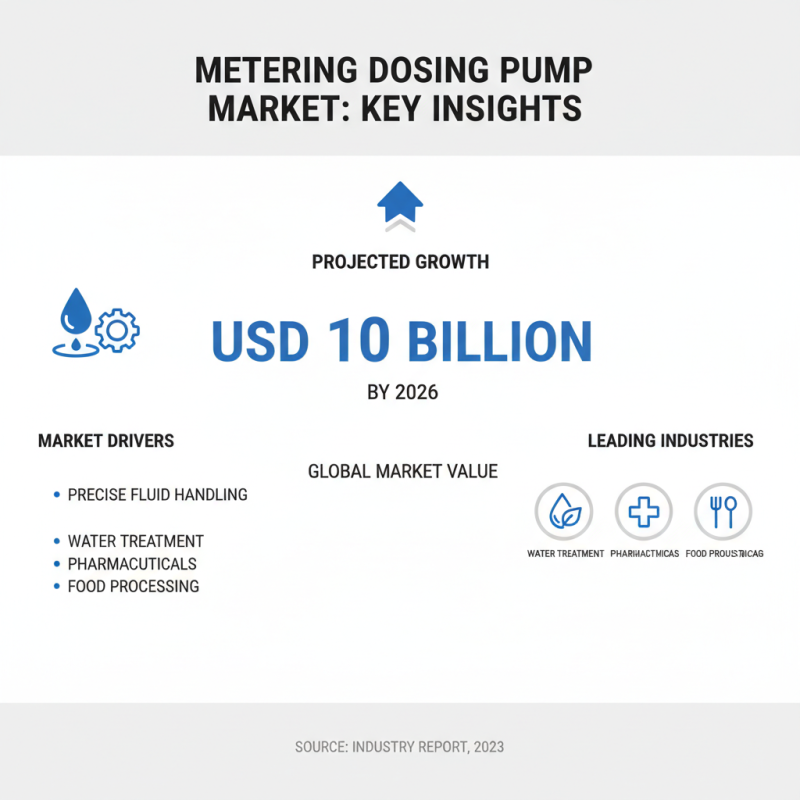
The metering dosing pump market is evolving rapidly. According to a recent industry report, the global metering dosing pump market is projected to reach USD 10 billion by 2026. This growth is driven by the increasing need for precise fluid handling across various industries, including water treatment, pharmaceuticals, and food processing.
Leading manufacturers are enhancing their product lines to meet the diverse demands of global buyers. Companies focus on energy efficiency, accuracy, and durability. Reports show that diaphragm pumps are becoming more popular due to their reliability and minimal maintenance requirements. However, challenges remain. Inconsistent quality across manufacturers raises concerns among buyers. Rigorous standards must be maintained to ensure optimal performance.
Understanding the competitive landscape is critical for buyers. Industry players are expanding their reach through strategic partnerships and acquisitions. This often leads to innovations, yet it can create confusion in the marketplace. Buyers need to weigh options carefully. A well-informed choice can mean the difference between efficiency and costly downtime. By analyzing current trends and manufacturer capabilities, global buyers can align their needs with the best metering dosing pump solutions.
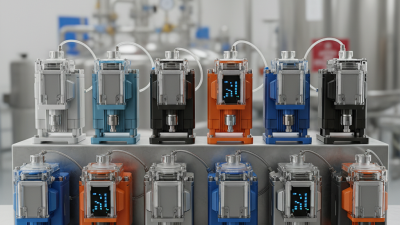
Innovative technologies are reshaping the landscape of metering dosing pump solutions. These pumps are vital in various industries, from pharmaceuticals to food processing. Their precision and reliability ensure consistent delivery of fluids. This year, advancements focus on automation and efficiency. Smart metering systems now enable real-time monitoring. Users can adjust flow rates remotely. This enhances operational flexibility.
However, with such innovations, challenges arise. Not all plants can integrate new technologies seamlessly. Older infrastructure may face compatibility issues. Companies must weigh the costs of upgrades against potential gains. Training staff on new systems can also be daunting. It's critical to consider the user experience during implementation.
Sustainability is at the forefront of recent developments. Eco-friendly materials reduce environmental impact. This aligns with global sustainability goals. Nevertheless, implementing these green technologies requires careful planning and investment. The market evolves rapidly, pushing buyers to stay informed. Success hinges on balancing technological advancements with practical application in diverse industries.
This bar chart represents the projected growth of various innovative metering dosing pump technologies in the global market by 2026. The data reflects the demand for precision, efficiency, and sustainability in these systems.
The market for metering dosing pumps is evolving rapidly. By 2026, these pumps will play a crucial role in various industries. Demand is driven by the need for precision in chemical dosing. Manufacturers are focusing on enhancing efficiency and accuracy. Innovations in technology will make pumps smarter and more reliable. Real-time monitoring will become standard. Industry players will prioritize user-friendly designs.
Sustainability is vital in future pump solutions. Companies will need to reduce waste and energy consumption. This shift is not just about regulatory compliance. Consumers demand environmentally friendly products. Challenges remain, such as developing cost-effective innovations. Companies may struggle to balance quality and affordability. The landscape will require adaptability and foresight to succeed.
Best practices in maintenance and operation will be essential. Regular checks can prevent downtime and extend pump life. Training programs will become necessary for operators. Knowledge sharing among professionals will foster improvement. The upcoming years may hold unpredictability in market trends. It will be critical to stay informed and flexible in approach.
| Application Area | Flow Rate (L/h) | Pressure Range (bar) | Material Compatibility | Control Type | Projected Market Growth (%) |
|---|---|---|---|---|---|
| Water Treatment | 10-200 | 1-5 | PVC, PP | Manual | 8% |
| Chemical Processing | 50-300 | 5-15 | SS, Hastelloy | Automatic | 10% |
| Food & Beverage | 30-150 | 1-10 | EPDM, PTFE | PID Control | 7% |
| Pharmaceutical | 20-100 | 2-8 | Glass, PTFE | Smart Control | 12% |
| Oil & Gas | 100-400 | 10-30 | Alloy, SS | Remote Control | 9% |