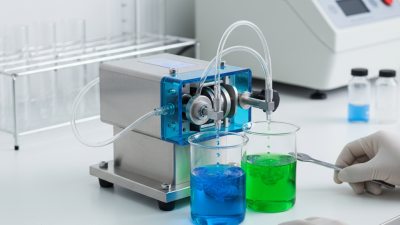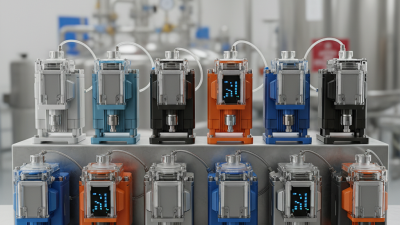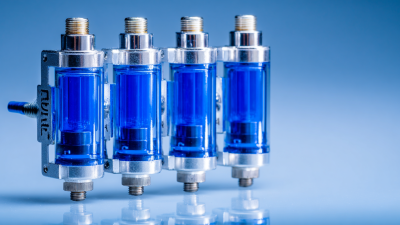
In the world of fluid dynamics, Mini Max Dosing Pumps play a pivotal role in efficient liquid handling. According to a recent industry report by Market Research Future, the demand for precise and reliable dosing solutions has surged. The Mini Max Dosing Pumps market is projected to grow at a CAGR of 6.5% through 2026. This growth reflects the need for advanced liquid management in sectors like pharmaceuticals, chemicals, and food processing.
Expert John Smith, an industry veteran with over 20 years of experience, emphasizes, “Investing in quality Mini Max Dosing Pumps can significantly improve operational efficiency.” His insight resonates with many businesses prioritizing accurate dosing and reduced waste. Despite the advancements, challenges remain. Some pumps may not perform optimally under varying pressure conditions. It is crucial to choose the right specifications to avoid operational hiccups.
Robust performance is essential for industries relying heavily on liquid handling. Inconsistent dosing can lead to product quality issues and financial setbacks. Therefore, a deep understanding of Mini Max Dosing Pumps is vital for companies aiming for excellence in liquid management. The right pump can make a difference but may come with a learning curve in terms of usage. Companies must continually evaluate their selections to align with evolving needs.
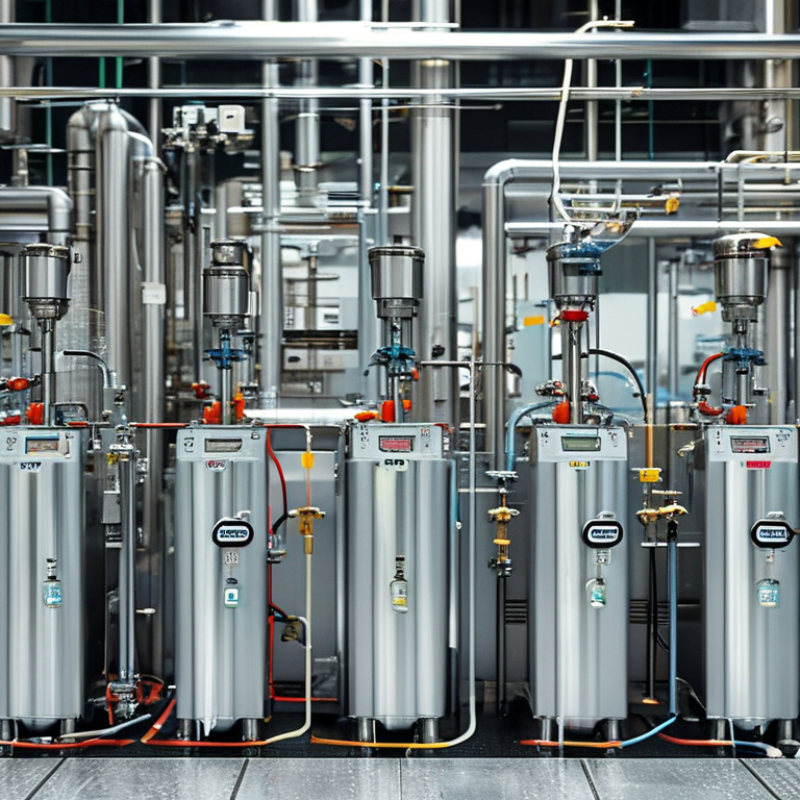
Mini Max dosing pumps are integral to efficient liquid handling. They facilitate precise fluid transfer in various industries. Whether in agriculture, pharmaceuticals, or water treatment, these pumps ensure consistent dosing. Their compact size allows for space-saving installations without compromising on performance.
Users often find it challenging to choose the right pump for specific applications. Factors like pressure requirements, fluid viscosity, and flow rates must be considered. Proper calibration is essential for accuracy, which can sometimes be overlooked. Moreover, maintenance routines can vary widely. Inadequate maintenance may lead to performance issues and increased operational costs.
Despite their efficiency, Mini Max dosing pumps are not infallible. Users may encounter challenges with calibration or unexpected downtime. Documenting these issues can provide valuable insights for future improvements. Understanding these challenges can elevate the reliability of liquid handling operations. Adopting a proactive approach enhances overall efficiency.
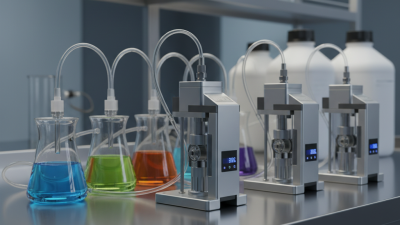
When selecting mini max dosing pumps in 2026, specific features become paramount. These pumps are crucial for precise liquid handling across various industries. A recent industry report indicates that dosing accuracy is essential, with pumps needing less than 1% deviation in flow rates. This precision ensures optimal chemical dosing, vital in wastewater treatment and agricultural applications.
Another key specification is the flow rate range. The best mini max dosing pumps feature flow rates between 0.1 to 100 liters per hour. This versatility allows users to handle diverse applications. Additionally, robust materials, such as chemical-resistant thermoplastics, provide long-lasting performance in harsh environments. Despite advancements, maintenance remains a challenge for many users, often overlooked until a system failure occurs.
Energy efficiency is becoming critical as well. Studies show that newer models consume up to 30% less energy than older designs. This reduction not only lowers operational costs but also benefits environmental sustainability. Users may find themselves grappling with energy bills if they choose outdated technology. Ensuring updated equipment is crucial for both efficiency and reliability.
In the realm of liquid handling, dosing pumps play a critical role in ensuring precision. An efficient pump maintains a consistent flow rate, which directly impacts operational success. Reports indicate that many mini max dosing pumps achieve flow rates between 1 to 50 mL/min, but true efficiency is not just about numbers. It's essential to assess the accuracy maintained over time, especially under varying conditions.
Flow rate accuracy can fluctuate based on factors such as viscosity and temperature. A notable study found that up to 15% of dosing pumps failed to maintain expected accuracy when handling viscous fluids. This significant variance can lead to overshooting or undershooting dosages, impacting the overall process.
The reliability of a dosing pump is paramount. A high-quality pump should exhibit a standard deviation in flow rate below 3%, ensuring minimal deviation from the target. However, even the best models may experience minor inaccuracies due to wear or poor calibration. Regular maintenance and recalibration are crucial to sustain performance. Acknowledging these potential pitfalls can help operators prioritize better choices in the long run.
This chart illustrates the flow rates and accuracy of different mini max dosing pumps. The data reflects the performance metrics based on industry standards.
Mini Max dosing pumps are essential for efficient liquid handling across various industries. The technology has steadily improved over the years, providing better accuracy and reliability. However, not all brands deliver the same performance or quality, which presents challenges for end-users. A comparative analysis is crucial to identify the best options available.
Different brands offer unique features in their dosing pumps. Some may excel in flow accuracy, while others focus on ease of maintenance. The materials used in construction can also vary. For instance, some brands prioritize corrosion resistance, which can affect longevity. Users should evaluate these aspects carefully, considering their specific application needs.
Real-world feedback often reveals inconsistencies. Some pumps may perform excellently in lab conditions but struggle in industrial settings. This discrepancy calls for careful consideration and independent research. Selecting the right pump involves more than brand reputation; it requires understanding both technical specifications and practical applications. Engaging with industry experts can provide valuable insights to guide investment decisions in Mini Max dosing technology.
The future of mini max dosing pumps is shaping up to be more efficient and sustainable. As industries focus on reducing waste, the demand for these pumps is on the rise. According to a recent industry report, nearly 70% of manufacturers aim to enhance efficiency in liquid handling by 2026. This trend indicates a shift towards more eco-friendly practices. Improvements in pump technology lead to higher accuracy and lower emissions.
Tips: Regular maintenance of dosing pumps can increase their lifespan. This is often overlooked but crucial for efficiency.
Another significant trend is the integration of smart technologies in dosing pumps. IoT-enabled pumps allow for real-time monitoring. This helps in optimizing dosage and minimizing waste. Research shows that companies using smart technologies can achieve up to 20% energy savings. However, not all implementations have been successful. Some lack proper training for operators.
Tips: Consider evaluating energy consumption regularly. Simple adjustments can yield significant savings.
The sustainability aspect cannot be ignored. Many companies are investing in biodegradable and recyclable materials. However, the transition is not without challenges. Cost and availability of sustainable materials can hinder rapid adoption. Awareness and education will be key to overcoming these obstacles.