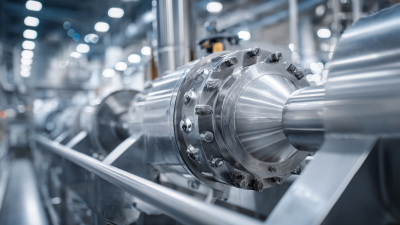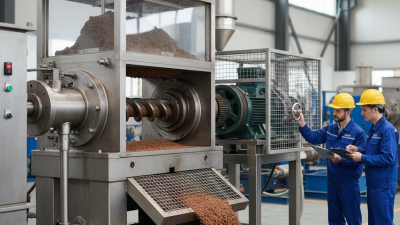
In the realm of industrial processing, the Continuous Screw Press has emerged as a pivotal technology. It plays a crucial role in various sectors, including food production, waste management, and biofuel generation. According to a 2022 report by the International Association of Mechanical Engineers (IAME), the market for Continuous Screw Press solutions has grown by over 15% annually. This growth reflects their efficiency and sustainability benefits.
Experts continuously advocate for the efficacy of the Continuous Screw Press. Dr. Emily White, a leading researcher in mechanical engineering, states, “The Continuous Screw Press represents a blend of innovation and functionality, driving progress in resource recovery.” Such endorsements underscore the technology’s potential in minimizing waste and maximizing output.
However, it’s essential to recognize not every application meets expectations. In some cases, issues like clogging or maintenance can arise. Buyers must weigh these challenges against the advantages. A comprehensive understanding of the Continuous Screw Press is vital for informed decision-making. This technology, with its advantages, represents both opportunity and responsibility.
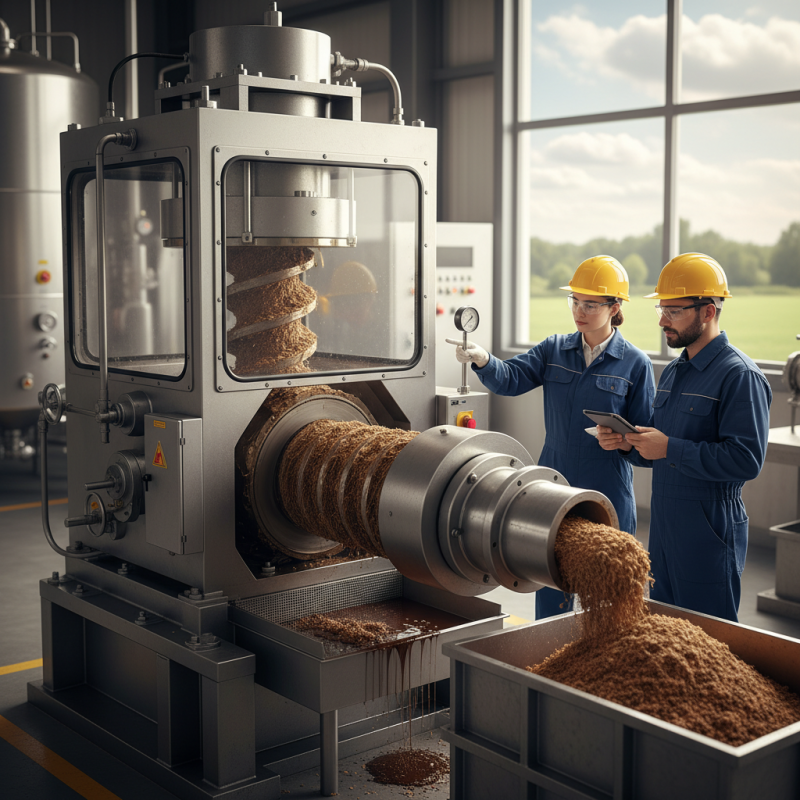
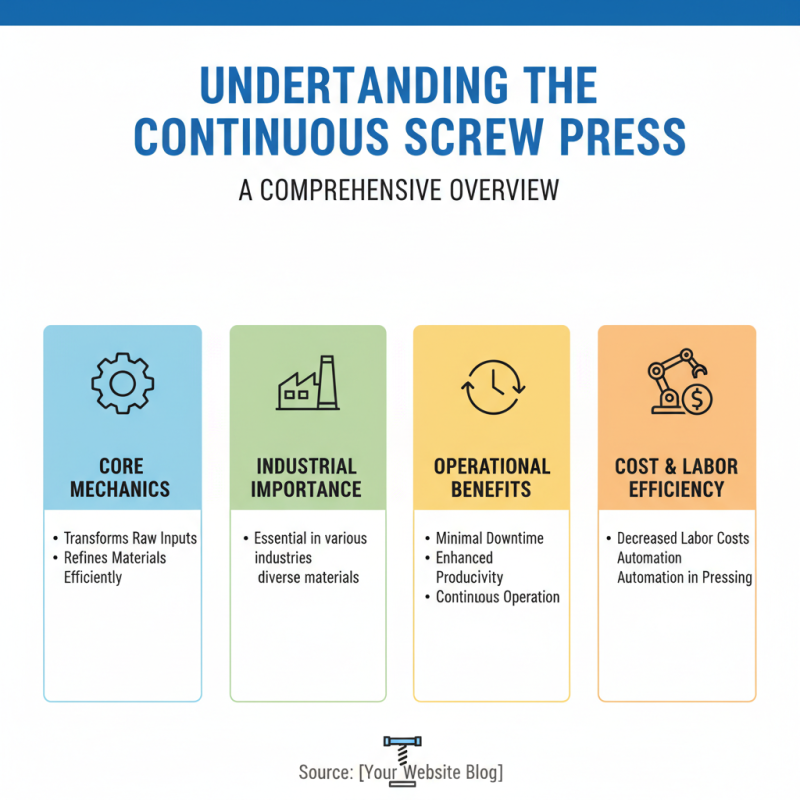
The continuous screw press is essential in various industries, offering significant benefits in processing materials. This technology transforms raw inputs into more refined outputs efficiently. Understanding its mechanics is key for buyers considering this investment. The continuous operation ensures minimal downtime, which greatly enhances productivity. Users report decreased labor costs due to automation in the pressing process.
Efficiency is one of the strongest selling points. The continuous flow allows for consistent quality and less waste in production. However, the initial setup and integration can pose challenges. Companies must ensure their systems can accommodate this machinery without disrupting existing workflows. Frequent maintenance is also necessary to achieve optimal performance over time.
Cost-effectiveness cannot be overlooked. While the initial investment seems high, long-term savings are often realized. Buyers should carefully analyze their specific operational needs and potential returns. Gaining a deeper understanding of the operational intricacies can aid in making informed decisions. Undoubtedly, a well-functioning continuous screw press can revolutionize production lines, yet it requires commitment and foresight to maximize its advantages.
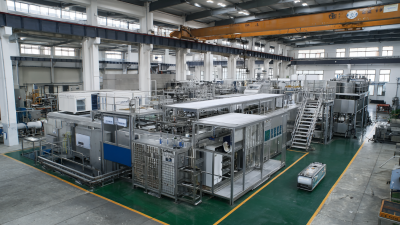
The continuous screw press system has become a vital asset for many industries. One key feature is its ability to process materials efficiently. This system ensures high output while minimizing energy consumption. Users often appreciate how it reduces operational costs in the long run. The heat generated during processing is often useful for further applications. Such features improve overall production efficiency.
Another important aspect is the machine's versatility. It can handle various materials with different moisture content. This adaptability makes it suitable for diverse applications, from food processing to waste management. The integration of advanced control systems enhances monitoring capabilities. Operators can adjust parameters in real-time, which improves product consistency.
Despite these advantages, some users face challenges during operation. Maintenance of the screw press requires knowledge and skill. Without proper care, performance may decline. Additionally, the initial investment might be a hurdle for smaller operations. These considerations prompt buyers to weigh long-term benefits against potential difficulties. Balancing efficiency with practical challenges is essential for optimal use.
| Advantage | Description | Efficiency Gain | Application Area |
|---|---|---|---|
| High Capacity | Designed for high throughput, enabling more material processing in less time. | Up to 30% more output compared to batch processes. | Food processing, waste management. |
| Reduced Operational Costs | Lower energy consumption and reduced labor costs due to automation. | Cost savings of 15-25% annually. | Industrial processing. |
| Consistent Product Quality | Uniform pressure and processing time result in consistent end products. | Quality consistency degree of 90% or higher. | Pharmaceuticals, food production. |
| Flexibility | Can process a variety of materials with adjustable settings. | Adaptability leading to increased production flexibility. | Plastic recycling, agriculture. |
| Minimal Maintenance | Less wear and tear due to continuous operation and lower stress. | Maintenance costs reduced by up to 20%. | Various industries. |
| High Efficiency | Overall higher efficiency ratios due to continuous feed. | Efficiency increase by 40% over batch processes. | Manufacturing, waste processing. |
| Energy Savings | More energy-efficient drive systems reducing overall energy needs. | Energy consumption reduced by 10%-20%. | Sustainable production methods. |
| Automated Process Control | Integration with automated systems for precise control. | Operational precision increased by 30%. | Advanced manufacturing. |
| Reduced Labor Intensity | Lower dependency on human intervention allows more streamlined operations. | Labor costs reduced by up to 25%. | Industrial settings. |
| Environmentally Friendly | Less waste and lower emissions contribute to sustainability. | Carbon footprint reduction of 15%. | Green technology sectors. |
Continuous screw presses are increasingly favored in industrial applications due to their significant advantages over traditional methods. Research indicates that these machines can enhance oil extraction efficiency by up to 30%. This remarkable improvement is attributed to their ability to maintain consistent operating conditions, which traditional methods often lack. The automation of continuous screw presses also minimizes human error and reduces reliance on manual adjustments. This alone can lead to a more reliable production process and better product quality.
A report from the International Society for Screw Press Efficiency highlighted that continuous screw presses generate less waste compared to batch processes. This is an essential benefit as industries face growing pressure to improve sustainability. Furthermore, operating costs can decrease by 20-25% due to reduced energy consumption. As industries evolve, switching to more efficient systems like continuous screw presses can significantly impact profitability and environmental responsibility.
Tips: Regular maintenance of the screw press is crucial for optimal performance. Also, consider operator training on new technologies to avoid common pitfalls. Monitoring output quality consistently will ensure any issues are addressed promptly.
Continuous screw presses offer remarkable cost-effectiveness for industries processing agricultural products. According to a report from the International Association of Food Industry, these machines can reduce operational costs by up to 30%. Their efficiency in extracting oils and juices minimizes waste, which translates into substantial savings over time.
Energy consumption is a critical factor in operational costs. Continuous screw presses are designed for optimal performance, yielding more product with less energy use. Industry data indicates that these machines can cut energy costs by 20% compared to traditional methods. This efficiency not only lowers bills but also enhances sustainability efforts.
Maintenance costs are also a consideration. Continuous operation leads to wear and tear, yet these machines often require less frequent repairs. A study by the Machinery Maintenance Society highlights that regular upkeep costs can drop by 15% when using continuous screw presses over their batch counterparts. Despite their advantages, the initial investment can be daunting for some buyers. Reflecting on long-term savings is crucial for making an informed decision.
The continuous screw press technology offers notable environmental benefits. This system optimizes waste management processes. It efficiently reduces the volume of organic waste, resulting in less waste ending up in landfills. The enhanced extraction of valuable materials minimizes resource depletion. Hence, a more sustainable approach to production emerges.
Another advantage is the reduction of greenhouse gas emissions. Traditional methods often lead to significant emissions during processing. In contrast, the continuous screw press operates at lower temperatures, which lowers the energy required for separation, leading to less energy consumption. Additionally, by improving material recovery rates, it enhances the circular economy.
However, some buyers face challenges when integrating this technology. Initial installation costs may deter potential users. Furthermore, a deep understanding of equipment operation is crucial for optimal performance. Yet, as industries strive for greener practices, continuous screw presses are becoming essential. They represent a step toward achieving environmental sustainability in various sectors.