Top 10 Benefits of Dewatering Press Machines for Buyers
In today's industrial landscape, the need for efficient waste management is paramount. Dewatering Press Machines play a crucial role in this arena. As noted by industry expert John Smith, "Dewatering Press Machines transform waste into a manageable product, improving both efficiency and environmental impact." These machines reduce slurry volume, which ultimately lowers transportation costs and enhances recycling efforts.
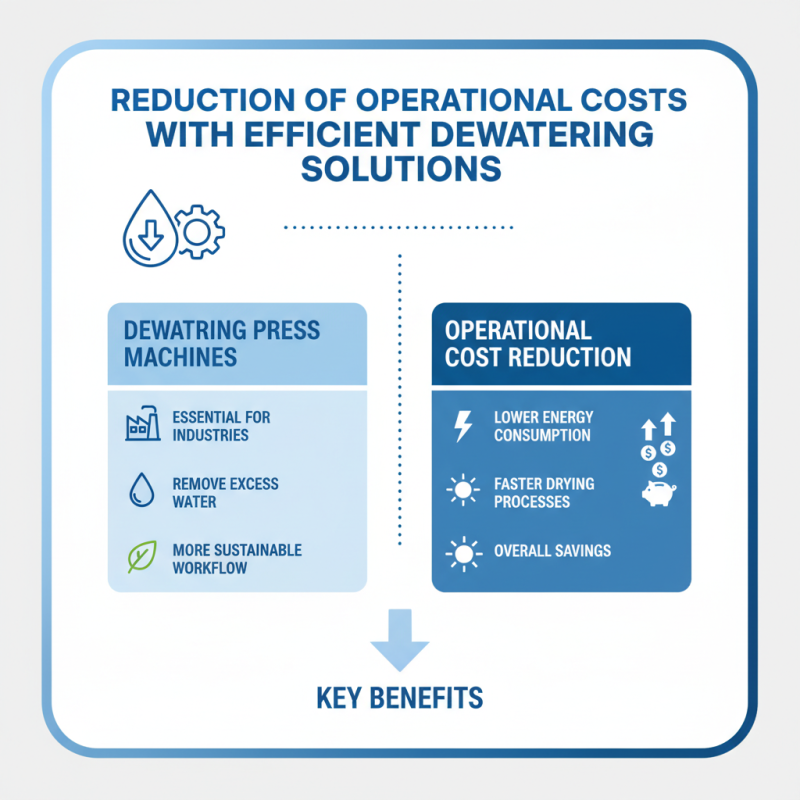
The advantages of using a Dewatering Press Machine extend far beyond mere space savings. They significantly reduce energy consumption and operational costs. With advancements in technology, modern machines are now more reliable and user-friendly. Buyers are increasingly recognizing their value. However, some still question the initial investment required.
Understanding the long-term benefits of a Dewatering Press Machine is essential. Properly assessing these machines can lead to substantial returns on investment. Reflecting on potential challenges ensures informed purchasing decisions in a market flooded with options.
Benefits of Enhanced Sludge Management Through Dewatering Press Machines
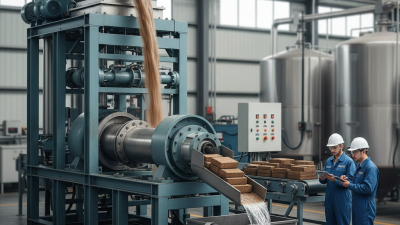
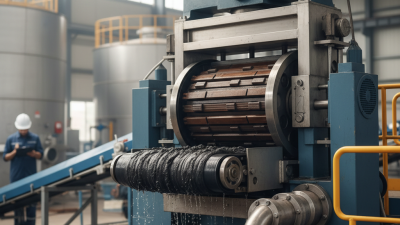
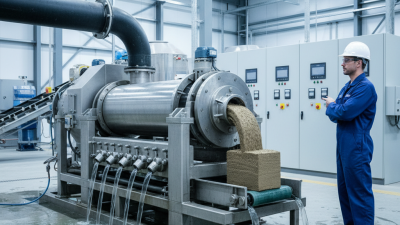
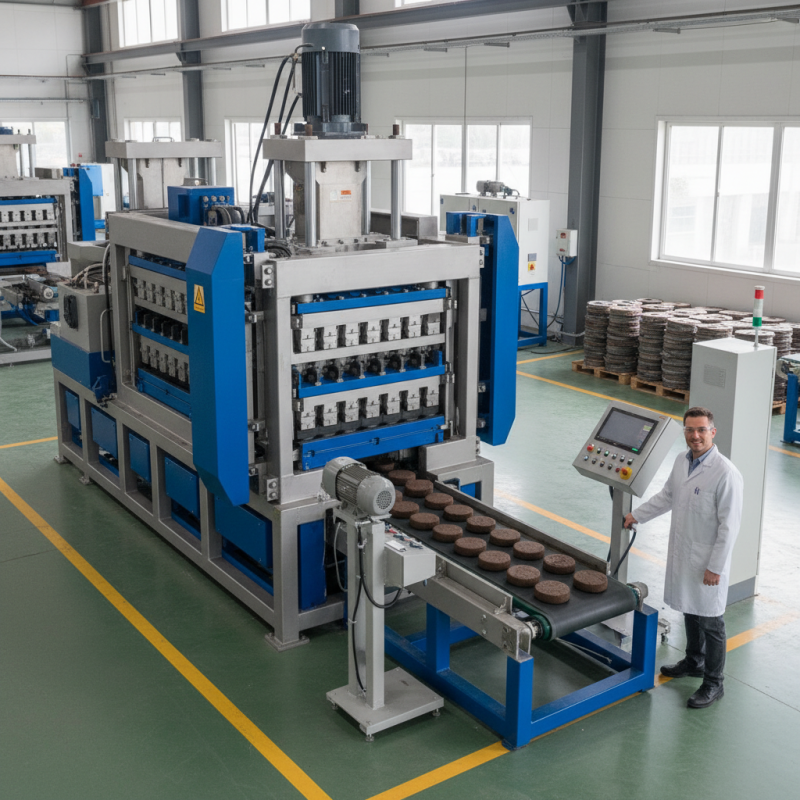
Dewatering press machines play a vital role in sludge management. They can significantly reduce the volume of waste produced in municipal and industrial settings. By extracting excess water from sludge, these machines transform a wet, bulky material into a much denser cake. This process not only makes transportation easier but also cuts down on disposal costs significantly.
The efficiency of dewatering can affect operational costs and environmental impact. A poorly managed sludge disposal process may lead to fines or environmental damage. Therefore, investing in a reliable dewatering press machine is essential for facilities aiming for sustainability. It ensures compliance with local regulations and minimizes the ecological footprint.
However, selecting the right machine is not always straightforward. Buyers must consider factors such as energy consumption, maintenance requirements, and compatibility with existing systems. A deeper understanding of these machines can lead to better decision-making. It’s crucial to weigh the initial investment against long-term benefits for effective sludge management.
Improved Environmental Compliance via Effective Water Recovery Techniques
Effective water recovery techniques through dewatering press machines have gained prominence in various industries. A recent report by the Global Water Market Review indicates that over 30% of industrial wastewater could be effectively reused. This points to a growing shift toward sustainable practices. Dewatering press machines help recover volumes of water that would otherwise be wasted. Their efficiency lies in extracting up to 95% of liquid from sludge, making them vital for companies aiming for environmental compliance.
The environmental impact is notable. According to the EPA, businesses that implement water recovery techniques can reduce their water consumption by 40%. While some industries still struggle with outdated procedures, investing in modern dewatering technologies shows promise. They enhance operational efficiency, yet not all companies fully embrace this change. Many face challenges, such as initial costs and the need for staff training. Industry experts suggest that awareness and education can bridge this gap.
Moreover, the push for improved compliance grows stronger. Regulatory bodies worldwide are amplifying their focus on sustainable practices. A survey by the Water Environment Federation revealed that 60% of industries are prioritizing water recovery systems. This shift not only meets legal requirements but also promotes corporate social responsibility. As industries navigate these complexities, the choice of technology, while crucial, requires careful consideration of each organization's unique situation.
Increased Revenue Opportunities from Recyclable Solid Waste Materials
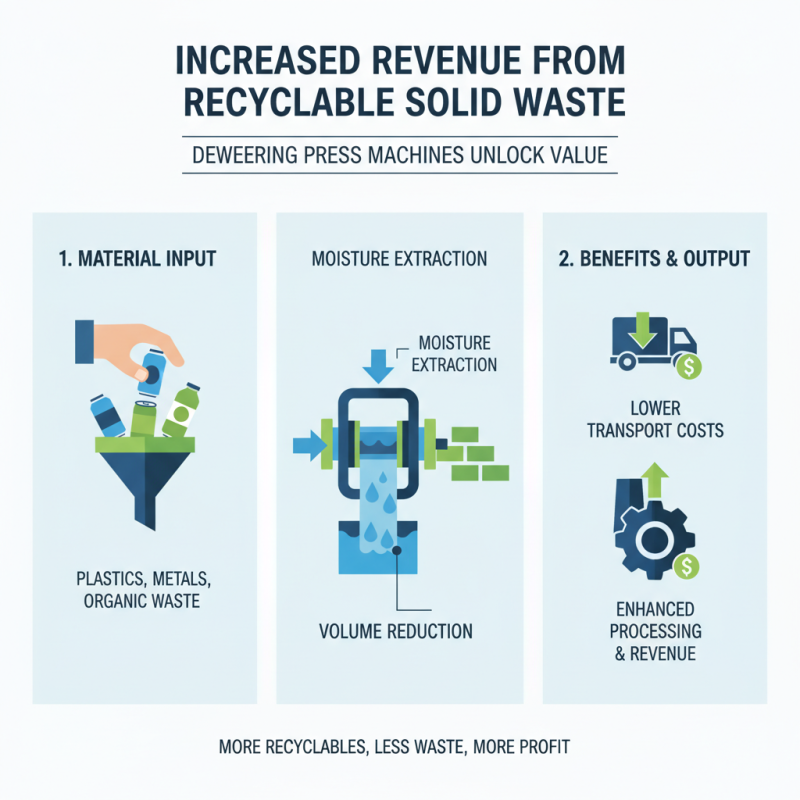
Dewatering press machines offer significant benefits for recycling operations, particularly in generating revenue from solid waste materials. By extracting excess moisture, these machines promote the recycling of materials such as plastics, metals, and organic waste. The reduction in volume leads to lower transportation costs and enhanced processing efficiency.
Investing in dewatering technology can open new markets. For example, dried organic materials can be transformed into compost or biofuel. This not only generates additional income but also supports sustainable practices. Higher quality recyclables attract better pricing, giving buyers more incentives to invest in such machines.
**Tip**: Before purchasing, analyze the type of waste your operation handles. Not all machines are suitable for every material type.
Choosing the right dewatering press can also improve operational reliability. A machine that handles waste efficiently minimizes downtime and maintenance. This consistency fosters trust among buyers and suppliers alike.
**Tip**: Regular maintenance checks are crucial for ensuring optimal performance and long-lasting equipment. Regularly inspect hoses, seals, and filters to prevent issues that could lead to costly repairs.
Boosting Industrial Productivity with Automated Dewatering Systems
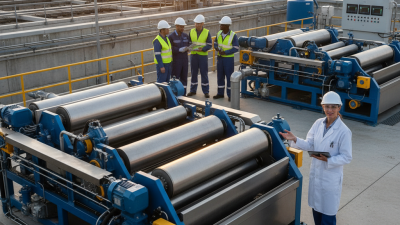
Automated dewatering systems are transformative for industrial productivity. These systems effectively reduce liquid content in materials, optimizing logistics and storage. According to industry research, integrating dewatering press machines can improve efficiency by up to 30%. This significant enhancement can lead to immense savings in transport and disposal costs.
In various sectors, including food processing and wastewater treatment, the need for efficient dewatering has grown. A report from the Environmental Protection Agency highlights that effective dewatering can cut energy consumption by about 20%. Such advances benefit not only the bottom line but also promote sustainability.
However, challenges remain regarding maintaining equipment and adapting to different material types. Moreover, buyers may struggle with the initial costs of these machines. Investing in automation may seem daunting, but the returns often outweigh these concerns over time. As companies strive for greater efficiency, the spotlight on automated systems continues to grow. Proper training and maintenance strategies are essential for maximizing the benefits of these machines.