In today's HVAC landscape, the use of a Disc Type Air Diffuser has gained significant attention. Experts agree on its effectiveness. "These diffusers offer unparalleled air distribution," says John Smith, a leading authority in air quality management. The benefits of using a Disc Type Air Diffuser extend far beyond aesthetics; they improve indoor air quality and reduce energy costs.
One notable advantage is the even airflow they provide. Unlike traditional diffusers, they ensure a more balanced distribution of air, minimizing drafts. This can enhance comfort in various settings, from offices to residential homes. Additionally, their sleek design integrates well into modern architecture. However, proper installation and orientation are crucial to achieve optimal performance.
While the advantages are clear, some users may face challenges during installation. It is essential to consult professionals when setting up these systems. Awareness of the specific requirements of a Disc Type Air Diffuser can greatly influence its effectiveness. Overall, investing in this technology can lead to remarkable changes in air distribution and comfort levels.
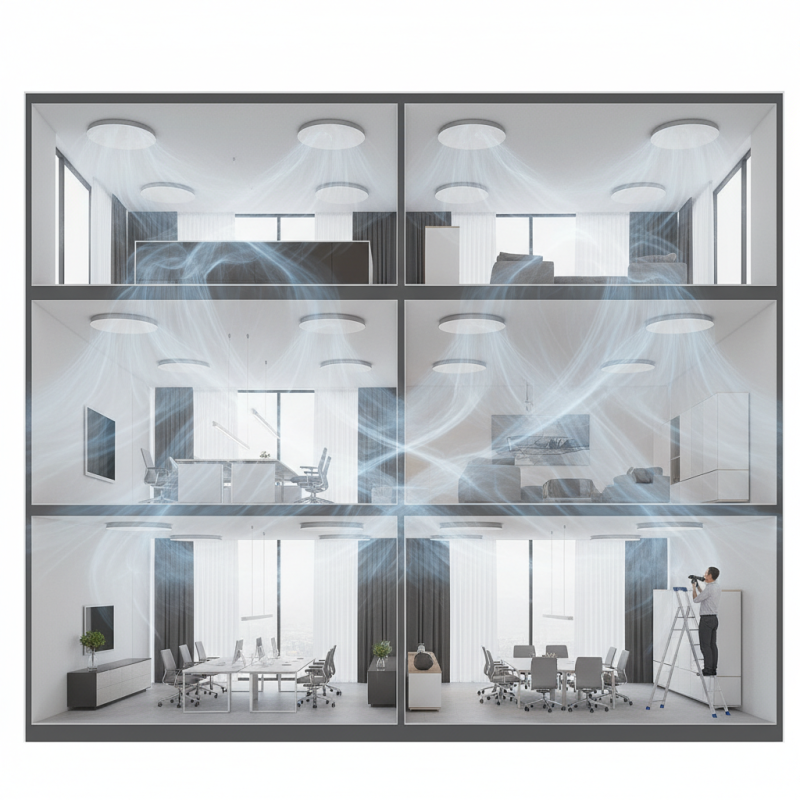
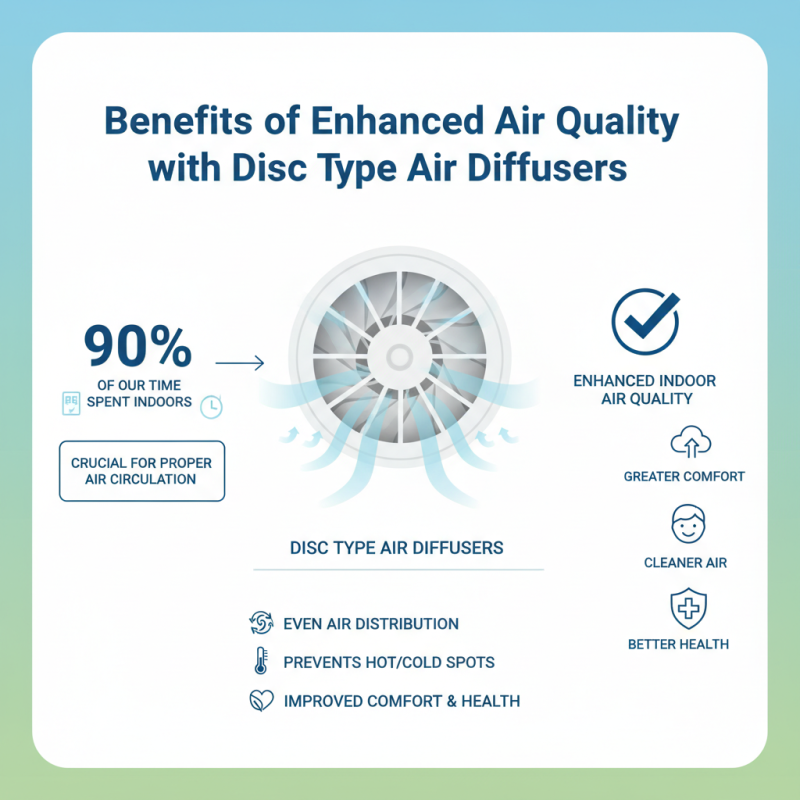
Disc type air diffusers significantly enhance indoor air quality. According to industry reports, about 90% of our time is spent indoors, making it crucial to ensure proper air circulation. These diffusers distribute air evenly, preventing hot or cold spots. By maintaining a consistent temperature throughout a space, they contribute to overall comfort and health.
Research shows that effective air distribution can reduce airborne contaminants. A study by the American Society of Heating, Refrigerating and Air-Conditioning Engineers (ASHRAE) states that proper ventilation can cut down on allergy symptoms by 40%. In poorly ventilated areas, pollutants can accumulate, leading to health issues. This calls for the importance of using disc type air diffusers.
However, while these systems promote better air quality, they also require regular maintenance. Dust and debris can accumulate, affecting their performance. Neglecting this aspect can undermine the benefits gained from adequate airflow. The balance between efficiency and upkeep is essential for maximizing the advantages of these diffusers and ensuring a healthy indoor environment.
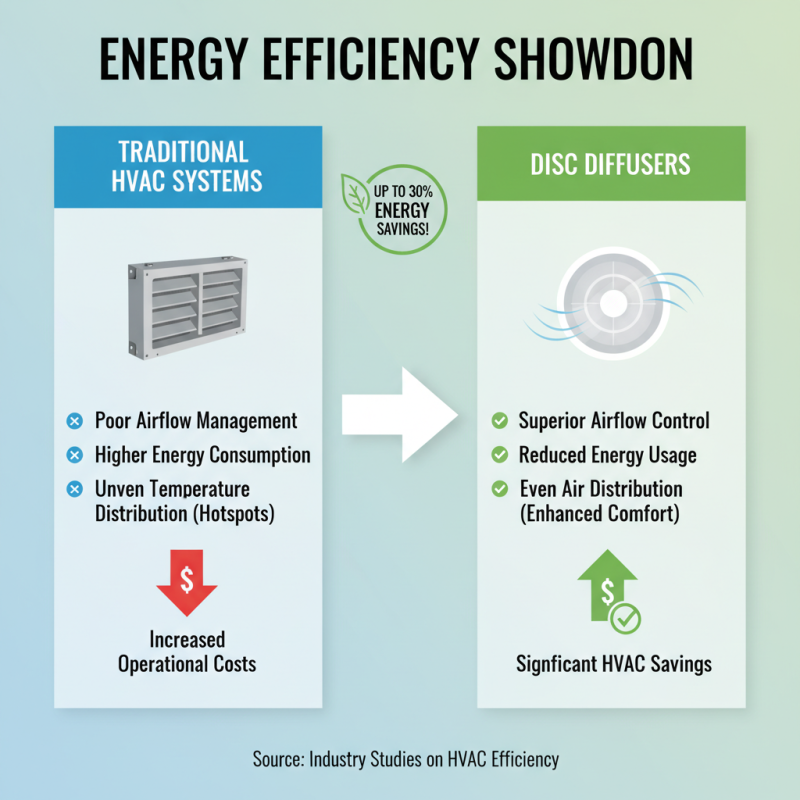
When considering energy efficiency, disc type air diffusers stand out. They provide better airflow management compared to traditional systems. This results in reduced energy consumption. Studies show that using disc diffusers can lower HVAC operational costs significantly. Their design promotes even air distribution, which enhances comfort and reduces hotspots.
Tips: Regular maintenance of diffusers is essential. Clean the diffusers often to maintain efficiency. Clogged diffusers can disrupt airflow and increase your energy bills.
While traditional systems might be less expensive initially, they may lead to higher long-term costs. Disc diffusers often use less energy, which translates into savings over time. However, the initial investment in disc diffusers can be a hurdle for some projects. Evaluate your project’s budget and long-term savings carefully. Choosing the right system requires balancing upfront costs with potential energy savings.
The implementation of disc type air diffusers offers significant noise reduction advantages. These diffusers minimize air turbulence, leading to a quieter environment. Traditional diffusers often create a chaotic airflow, generating unwanted background noise. In contrast, disc type diffusers direct airflow smoothly. This results in a more peaceful indoor experience.
One notable feature is their design, which allows for better circulation. Enhanced circulation helps maintain a consistent temperature throughout the space. Areas with constant airflow feel more comfortable and pleasant. However, not every project may benefit equally from this technology. Some environments might require different approaches to address noise levels effectively.
It's important to assess the specific needs of each project. In some cases, the installation process itself can introduce noise challenges. Regular maintenance is also essential for optimal performance. Users should remain aware of potential shortcomings. This awareness ensures that the benefits of disc type air diffusers can be fully realized. By considering all angles, you can create truly effective and quiet spaces.
When approaching projects that require air distribution, customization is key. Disc type air diffusers excel in creating tailored solutions. Their design allows for easy modification to meet unique project specifications. Whether it’s adjusting airflow rates or enhancing aesthetics, these diffusers offer flexibility.
Tailoring disc diffusers involves considering factors like room size and layout. For instance, in a large open space, multiple diffusers may be needed. In contrast, smaller rooms might require just one, arranged differently. Discussing design requirements with experienced contractors ensures effective solutions that won't disrupt your workflow.
While customization provides many benefits, it can also lead to challenges. Misjudging airflow or placement can result in uneven distribution. Trial and error may be necessary to achieve optimal performance. However, investing time in the customization process often leads to superior air quality and comfort, making it worthwhile.
The cost-effectiveness of disc type air diffusers is significant. According to a report by the American Society of Heating, Refrigerating and Air-Conditioning Engineers (ASHRAE), proper air distribution can improve energy efficiency by up to 30%. This reduction translates into considerable financial savings for long-term projects. When evaluating initial investment versus operational costs, disc diffusers emerge as a winning option.
Maintenance costs tend to diminish over time with disc diffusers. Their design minimizes dust accumulation, resulting in fewer cleanings. As noted in a study published in the Journal of HVAC Research, lower maintenance frequency can enhance system longevity by an estimated 25%. While installation costs may vary, the durability and ongoing operational savings provide an appealing return on investment.
Unexpected challenges may arise during implementation. Site conditions could impact performance metrics. Nonetheless, attention to specific airflow needs can overcome these hurdles. Adapting to unique project requirements ensures optimal performance, thus reinforcing the reliability of disc diffusers in varied environments. Regular assessment of efficiency is crucial for identifying potential shortcomings and implementing improvements.
| Benefit | Description | Cost-Effectiveness | Long-Term Savings |
|---|---|---|---|
| Improved Air Quality | Disc diffusers distribute air evenly, reducing stagnation. | Low operational costs due to efficient air handling. | Reduced need for maintenance and cleaning. |
| Energy Efficiency | Offers lower energy consumption rates compared to traditional systems. | Significant energy bill savings over time. | Potential rebates or incentives for energy-efficient systems. |
| Quiet Operation | Disc diffusers operate quietly, enhancing comfort. | Less noise-related issues reduce costs related to soundproofing. | Improved productivity in work environments. |
| Versatile Applications | Suitability for various project types, from commercial to residential. | Flexibility in design leads to lower project alteration costs. | Long lifespan results in reduced replacement costs. |
| Enhanced Aesthetics | Modern design complements various interior styles. | Attractive designs can increase property value. | Long-term improvement in aesthetics can reduce renovation expenses. |
| Easy Installation | Quick and straightforward setup minimizes downtime. | Lower labor costs due to simplified installation process. | Faster project completion leads to earlier occupancy and associated savings. |
| Durable Materials | Constructed from long-lasting materials that withstand wear. | Lower replacement frequency reduces lifecycle costs. | Fewer repairs needed ensures continuous operational efficiency. |
| Uniform Air Distribution | Ensures consistent temperature and humidity levels. | Reduces excessive heating or cooling costs. | Lower energy requirements stabilize long-term expenses. |
| Minimal Maintenance | Design minimizes dust and particulates build-up. | Decreased maintenance frequency lowers costs. | Less staff time spent on upkeep is cost-effective. |
| Sustainability | Many disc diffusers are made from recyclable materials. | Eco-friendly choices may qualify for grants or incentives. | Reduced environmental impact can lead to better long-term government policies. |