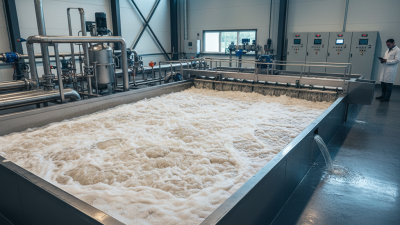
What are the Benefits of Dispersed Air Flotation Tips?
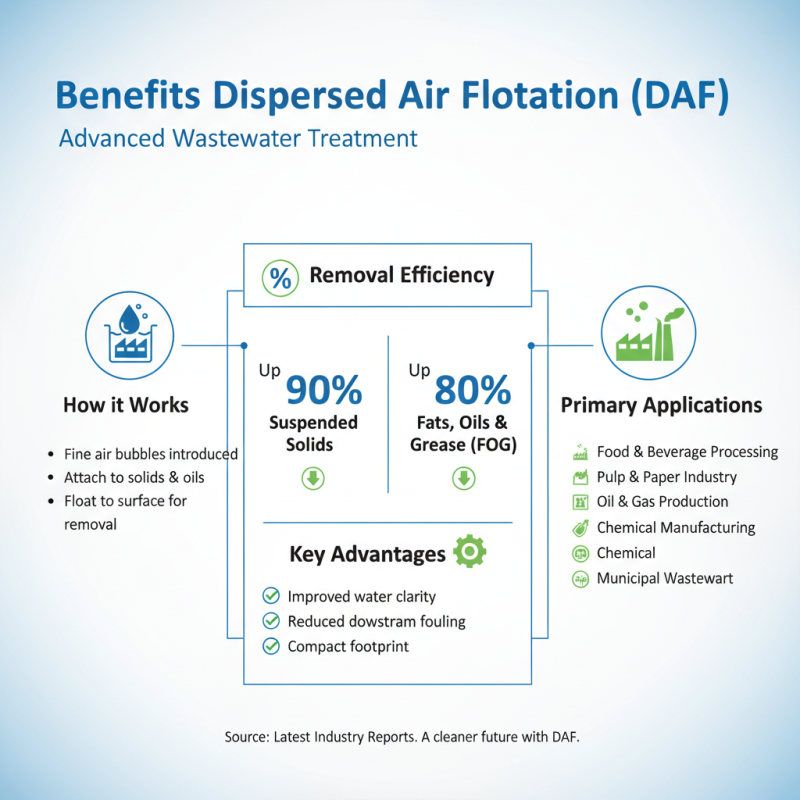
Dispersed Air Flotation (DAF) has become a crucial technology in wastewater treatment. According to a report from the Environmental Protection Agency, DAF systems can remove up to 90% of suspended solids and up to 80% of biochemical oxygen demand (BOD). These statistics highlight the efficiency of DAF in reducing environmental impact.
Dr. Linda C. Carter, an expert in aquatic systems, emphasizes the importance of DAF technology by stating, “Dispersed Air Flotation not only improves water clarity but also significantly lowers treatment costs.” This dual benefit appeals to both industrial operators and environmental advocates.
While DAF systems are effective, they require careful design and maintenance. Some facilities may struggle with efficiency if not properly calibrated. Continuous learning and adaptation are essential for maximizing the benefits of Dispersed Air Flotation. Industry stakeholders should remain vigilant about the challenges and proactively seek improvements.
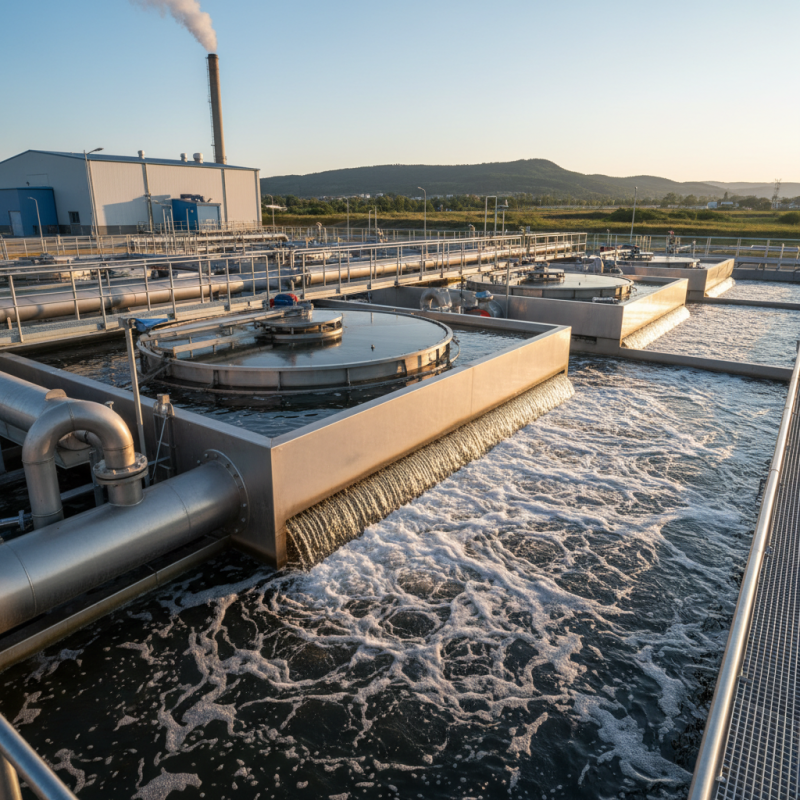
Benefits of Dispersed Air Flotation in Wastewater Treatment Processes
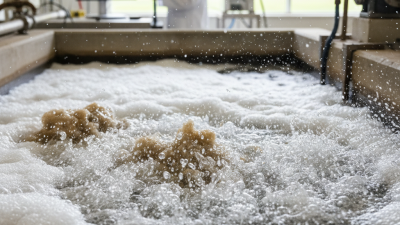
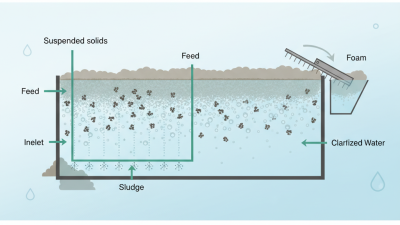
Dispersed Air Flotation (DAF) technology plays a critical role in wastewater treatment. DAF systems utilize fine bubbles to separate solids and oils from water. According to the latest industry reports, these systems can remove up to 90% of suspended solids and 80% of fats and oils. This efficiency makes DAF a preferred choice in many sectors, including food processing and industrial wastewater treatment.
In terms of environmental impact, DAF systems help reduce the carbon footprint of wastewater treatment plants. By minimizing the need for chemicals, DAF can lead to safer operations and lower average operational costs. An EPA study revealed that using DAF reduces chemical usage by over 30%, leading to significant cost savings and a lesser environmental impact.
Tips for those considering DAF include understanding the specific influent characteristics of the wastewater. It's essential to assess parameters like the concentration of solids and types of contaminants. Regular maintenance is crucial for optimal performance. Operators must stay vigilant about bubble size and distribution, which greatly affect separation efficiency. Training staff to monitor these aspects can enhance system performance and ensure compliance with discharge standards.
Enhanced Separation Efficiency: Quantitative Data and Case Studies
Dispersed air flotation technology has gained traction in various industries, enhancing separation efficiency. Recent studies indicate that this method can achieve a 90% removal rate of suspended solids, a significant improvement over traditional methods. In wastewater treatment, for instance, data shows a 30% reduction in operation costs when implementing dispersed air flotation.
Case studies reveal varying success rates across different applications. In one instance, a textile dyeing facility processed water with a 60% reduction in chemical oxygen demand. This underscores the technology's potential but also introduces variability. Factors such as feed composition and flow rates directly affect performance. Many companies report challenges in optimizing these parameters.
Operators often express concern over maintenance issues. While dispersed air flotation systems are powerful, they can be prone to clogging. Regular monitoring is essential to mitigate these challenges. Some facilities also struggle with scaling up operations, which may lead to reduced efficiency. Industries need a careful balance between benefits and potential hurdles to maximize effectiveness.
Benefits of Dispersed Air Flotation Tips - Enhanced Separation Efficiency
| Parameter |
Before Implementation |
After Implementation |
Percentage Improvement |
| Separation Efficiency (%) |
60 |
85 |
41.67% |
| Processing Time (hours) |
5 |
3 |
40% |
| Chemical Usage (kg) |
100 |
70 |
30% |
| Sludge Generation (tonnes) |
30 |
20 |
33.33% |
| Operational Costs ($/month) |
5000 |
3500 |
30% |
Reduction of Chemical Use: Cost-Benefit Analysis in Industry Applications
Dispersed air flotation (DAF) systems offer several advantages, particularly in reducing chemical use in industrial applications. By using air bubbles to separate contaminants, industries can significantly cut down on chemical additives. This shift can lead to cost savings, as reducing chemical purchases lowers overall expenses. Many facilities notice a drop in chemical waste disposal costs too.
Employing DAF systems encourages a more sustainable approach. It can lead to less environmental impact. However, some industries may struggle with initial implementation. Training staff is essential to ensure they understand the DAF process. Not all operations may adopt this change successfully.
Tips for maximizing DAF efficiency include monitoring bubble size and adjusting air flows. This balance is crucial for optimal separation performance. Regular maintenance can also prevent system failures. Keeping a close eye on performance metrics allows operators to identify issues quickly. Inconsistent water quality can pose challenges, requiring adaptation. Ultimately, moving towards reduced chemical use is beneficial, but it demands diligence and a willingness to adapt.
Improved Water Quality: Metrics and Performance Outcomes
Dispersed Air Flotation (DAF) systems have significantly improved water quality in various applications. According to a recent industry report, DAF systems can achieve up to 90% removal of suspended solids. This high efficiency makes them ideal for wastewater treatment in municipal and industrial sectors. The technology relies on fine bubbles to lift suspended particles, creating a cleaner effluent.
In practical terms, the use of DAF leads to measurable performance outcomes. Many facilities report improved clarity in water, with turbidity levels dropping below 10 NTU. This is crucial for meeting regulatory standards. However, not all installations achieve these results, indicating that system design and operational parameters require careful consideration. Poor maintenance can reduce efficiency, leading to inconsistent water quality.
Furthermore, facilities using DAF often experience significant reductions in chemical usage. A study showed that some plants reduced coagulant usage by up to 40%. Yet, over-reliance on these systems without proper training can result in underperformance. This highlights the need for ongoing staff education to maximize performance outcomes. Ultimately, while DAF systems offer substantial benefits, their effectiveness depends on a combination of technology and skilled operation.
Operational Flexibility: Adapting to Varied Flow Conditions and Load Types
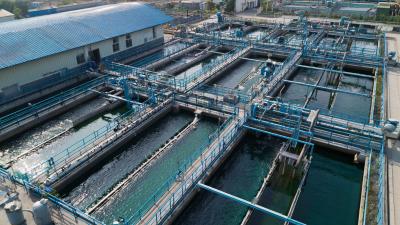
Dispersed air flotation systems offer significant operational flexibility. They can adapt to various flow conditions effectively. This flexibility is crucial in different industrial applications. For example, wastewater treatment plants often see fluctuating inflow rates. The ability to adjust quickly can improve efficiency.
Moreover, these systems manage varying load types with ease. They can treat both high and low solid concentrations. This adaptability minimizes downtime during operational changes. However, some may struggle with optimal settings. Finding the right balance is key. Operators need to be vigilant and make timely adjustments to maintain performance.
In real-world scenarios, operational challenges may arise. A sudden increase in load can overwhelm the system. It may require immediate recalibration. This ensures consistent output without disrupting the process. Regular monitoring is essential but can be resource-intensive. Striking a balance between flexibility and control is an ongoing concern.