Top 5 Benefits of Dissolved Air Flotation Systems for Industry?
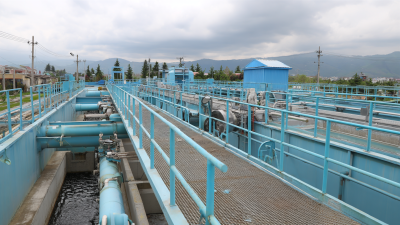
In today’s industrial landscape, efficiency and sustainability are paramount. The Dissolved Air Flotation System (DAF) has emerged as a key player in water treatment processes. This innovative technology utilizes air bubbles to separate solids from liquids, resulting in cleaner effluents.
Many industries are adopting DAF systems for their effectiveness. These systems are highly efficient at removing contaminants, which can significantly improve overall water quality. Moreover, the ease of operation is a noteworthy benefit. Users often find that DAF systems require less maintenance compared to traditional methods. However, like any technology, DAF systems come with challenges. Not every facility has the expertise to implement them properly, leading to potential inefficiencies.
Ultimately, embracing a Dissolved Air Flotation System can lead to both environmental and economic advantages. It is essential for industries to consider their needs and resources before investing in this technology. Successful implementation depends on the right knowledge and practices.
Overview of Dissolved Air Flotation (DAF) Systems in Industrial Applications
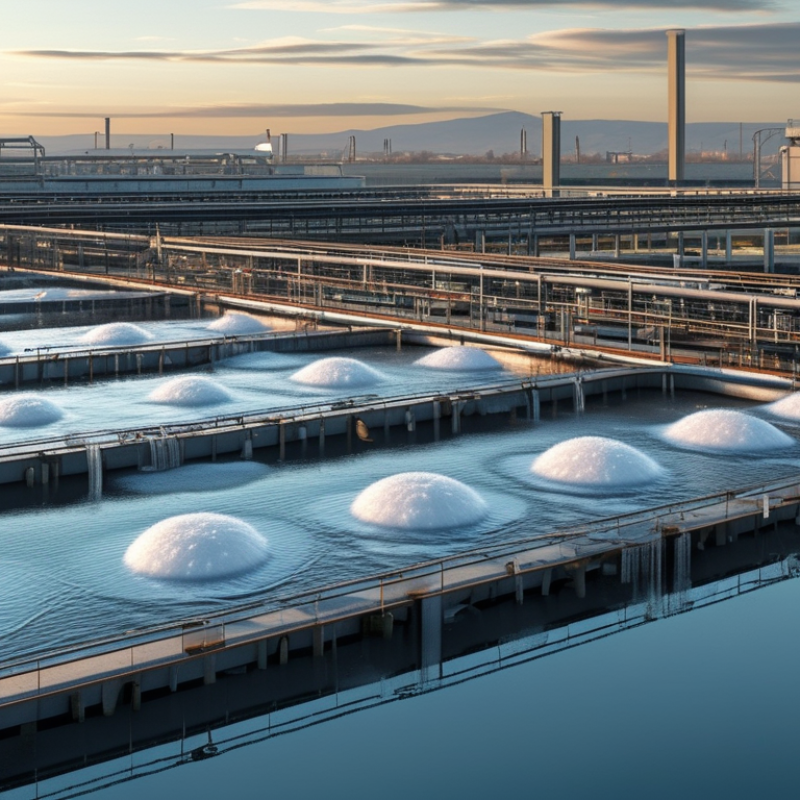
Dissolved Air Flotation (DAF) systems are essential in various industrial applications. They effectively separate solids, oils, and greases from wastewater. This process enhances the overall water quality prior to discharge or reuse.
According to a recent industry report, DAF systems can remove over 90% of suspended solids. This makes them vastly superior to traditional filtration methods.
Many industries, such as food processing and oil refining, rely on DAF technology. These sectors generate wastewater that often contains high levels of contaminants. The use of DAF systems can lead to significant reductions in environmental impact. For instance, one study found that implementing DAF systems can decrease pollutant levels by 50%. This not only complies with regulations but also promotes sustainability.
Tips: Regular maintenance of DAF equipment is crucial for optimal performance. Ensure that all components, including pumps and pipes, are routinely inspected. Additionally, operators should consider training programs to enhance their understanding of the system's operation. Keep in mind that while DAF technology is highly effective, not all wastewater is suitable for this treatment method. Each application requires a careful evaluation of water characteristics and treatment goals.
Key Benefits of DAF Systems for Wastewater Treatment Efficiency
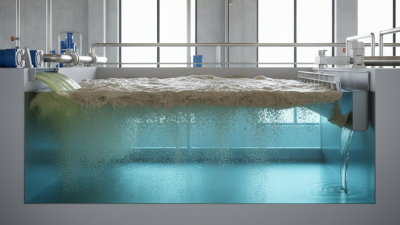
Dissolved Air Flotation (DAF) systems are becoming essential in wastewater treatment. These systems excel at removing suspended solids, oils, and biological materials. By relying on microbubbles, they enable effective separation of contaminants, enhancing overall treatment.
One significant benefit is the efficiency in separating lighter contaminants. This process allows for rapid flotation, reducing the time needed for treatment. It's impressive how these systems optimize space in facilities. Many industries appreciate the compact design, allowing for integration into existing setups without extensive modifications.
However, challenges exist. Maintenance can be a concern, requiring expertise to ensure optimal performance. Operators must be trained to handle potential issues promptly. Nevertheless, its successful track record in various industries speaks volumes. DAF systems offer a reliable solution, improving wastewater treatment efficiency while minimizing environmental impact.
Top 5 Benefits of Dissolved Air Flotation Systems for Industry
| Benefit |
Description |
Impact on Wastewater Treatment |
| High Efficiency |
DAF systems provide rapid separation of suspended solids and oils, improving treatment efficiency. |
Reduces the volume of sludge produced, lowering disposal costs. |
| Compact Design |
DAF systems typically require less space compared to traditional sedimentation tanks, making them suitable for limited areas. |
Facilitates installation in existing facilities without the need for extensive modifications. |
| Versatility |
Effective for a wide range of industries including food processing, petrochemical and paper manufacturing. |
Enhances the ability to treat various types of wastewater efficiently. |
| Improved Water Quality |
DAF systems achieve higher removal rates of contaminants, leading to clearer effluent. |
Meets stricter discharge regulations and enhances environmental compliance. |
| Cost-Effectiveness |
Lower operating and maintenance costs due to reduced sludge handling and chemical usage. |
Results in long-term savings while maintaining treatment standards. |
Reduction of Chemical Use and Operational Costs with DAF Technology
Dissolved Air Flotation (DAF) systems play a crucial role in various industries, especially in reducing chemical use. By utilizing DAF technology, industries can lower their reliance on chemical treatments for water clarification. Reports estimate that DAF systems can reduce chemical usage by 30-50%, leading to significant cost savings.
Operational costs also decline with DAF technology. A study indicated that facilities implementing DAF could see a 20-40% reduction in operational costs. This reduction stems from decreased energy consumption and lower chemical purchases. Additionally, DAF systems often require less frequent maintenance compared to traditional methods, meaning less downtime and improved efficiency.
While DAF offers substantial benefits, challenges remain. The initial investment for DAF systems can be high, which may deter some industries. Regular monitoring is essential to ensure optimal performance and avoid potential inefficiencies. A well-maintained DAF system ultimately leads to greater operational efficiency and reduced long-term costs. Balancing upfront expenses with sustainable gains is an ongoing discussion in the industry.
Enhancing Effluent Quality and Compliance through DAF Systems
Dissolved Air Flotation (DAF) systems are effective tools for improving effluent quality. These systems use tiny air bubbles to separate solids from liquid waste. This process enhances the removal of fats, oils, and grease, leading to cleaner effluent. Industrial wastewater can contain various contaminants. DAF systems address these challenges comprehensively.
Moreover, compliance with environmental regulations is crucial for industries. DAF systems help meet stringent discharge limits. Facilities can avoid penalties by ensuring their water quality aligns with national and local standards. Regular monitoring of effluent quality is essential. An improvement in treatment processes requires continuous evaluation. Sometimes, operators may overlook minor adjustments that can impact performance.
Incorporating DAF systems can provide significant benefits, but they are not a one-size-fits-all solution. Each industry has unique needs. Operators must consider local regulations and specific wastewater characteristics before implementation. Working with wastewater treatment experts can yield better outcomes. Ensuring that the system is used effectively requires ongoing training and assessment. Adjustments may be needed over time to adapt to changing conditions.
Environmental Sustainability and Resource Recovery with DAF Systems
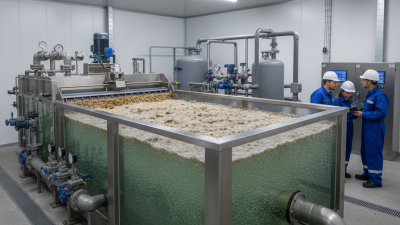
Dissolved Air Flotation (DAF) systems play a vital role in promoting environmental sustainability. These systems efficiently remove suspended solids, oils, and other contaminants from wastewater. By doing so, they help industries reduce their environmental footprint. The process utilizes tiny air bubbles to lift solids to the surface, creating a sludge layer that is easy to separate. This method can significantly decrease pollutants that would otherwise harm local ecosystems.
The resource recovery aspect of DAF systems is equally important. Industries can reclaim valuable materials from wastewater, turning potential waste into resources. For instance, oily waste can be processed to recover oils for reuse. This not only conserves resources but also reduces disposal costs. However, not all industries maximize this potential. Some may overlook opportunities for innovation in waste management.
Continuous evaluation of DAF systems is crucial. Are industries fully leveraging the benefits? Efforts to improve these systems and their operations can lead to greater resource recovery and environmental protection. The path to a sustainable future lies in understanding both the capabilities and limitations of these systems. Each adjustment can enhance performance and align with the growing focus on eco-friendly practices.
Top 5 Benefits of Dissolved Air Flotation Systems for Industry