Top Benefits of Lamella Clarifier for Global Buyers in 2026?
The Lamella Clarifier has emerged as a critical technology in wastewater treatment, particularly for industries where efficiency and cost-effectiveness are paramount. Recent industry reports suggest that the global market for lamella clarifiers is expected to grow at a rate of 6.5% annually, driven by increasing regulatory pressures and the demand for sustainable operating solutions. These clarifiers utilize a high surface area design that significantly enhances sedimentation rates, allowing for improved clarity in treated water.
As urbanization accelerates, more regions are investing in advanced treatment solutions. For instance, the World Health Organization (WHO) indicates that approximately 80% of global wastewater is released untreated, highlighting a significant opportunity for lamella clarifiers. However, potential buyers must reflect on installation costs and ongoing maintenance. While these systems promise lower operational expenses, their initial investment can be daunting.
The reliability of Lamella Clarifiers is impressive, yet users must not overlook the importance of proper monitoring systems. Regular evaluation and maintenance ensure optimal performance. In 2026, buyers will be better equipped to make informed choices, leveraging the increased availability of insights and innovations in the lamella clarifier sector.

Key Features of Lamella Clarifiers for Global Buyers
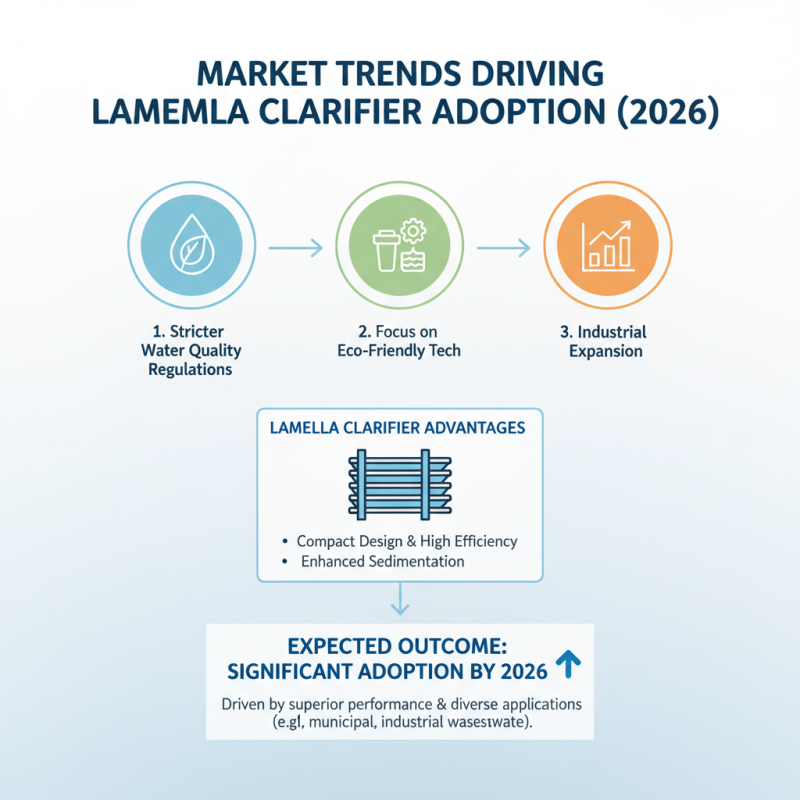
Lamella clarifiers are gaining traction among global buyers in 2026, thanks to their efficiency. These systems utilize inclined plates to enhance sedimentation. By increasing the surface area, they allow particles to settle more quickly. This leads to cleaner effluent and reduced energy use in water treatment processes.
A notable feature is their compact design. They require less space compared to traditional clarifiers. This makes them ideal for facilities with limited operational areas. Additionally, their simple maintenance needs promise reliable performance. However, some buyers might find the initial investment challenging. Balancing cost with long-term savings is a critical consideration.
Another important aspect is their adaptability. Lamella clarifiers can be tailored to different applications, from industrial to municipal needs. Yet, this flexibility can come with complexities in implementation. Each application requires careful assessment to optimize performance. Recognizing these challenges is essential for effective decision-making when selecting the right system.
Economic Benefits of Implementing Lamella Technology
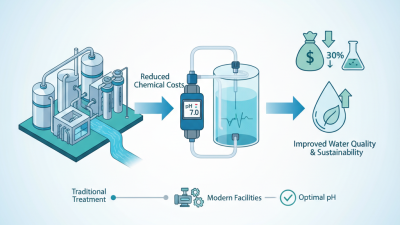
As industries evolve, the economic advantages of implementing lamella clarifier technology in 2026 become increasingly significant. This system efficiently separates solids from liquids, leading to substantial cost savings in treatment processes. A well-designed lamella clarifier requires less space and can be a game-changer for facilities facing spatial constraints. Many facilities see reduced operational costs through lower energy consumption and maintenance expenses.
Additionally, the lamella clarifier enhances compliance with environmental regulations. Effective solid-liquid separation minimizes waste and reduces treatment times. The technology promotes water reuse, further lowering overall costs. However, selecting the right specifications can be challenging for buyers, as mismatched designs may lead to inefficiencies. Buyers need to engage knowledgeable experts to optimize their systems.
Investing in lamella technology is not without risks. Companies might encounter initial setup costs that can be daunting. The need for ongoing training and adaptation to new systems can also create short-term operational hiccups. But the long-term dividends of efficiency and sustainability present a strong case for consideration. Understanding these factors will help global buyers make informed decisions about their wastewater treatment strategies.
Top Benefits of Lamella Clarifier for Global Buyers in 2026
Considerations for Choosing the Right Lamella Clarifier System
When choosing a lamella clarifier system, several key factors come into play. First, consider the specific application. Different industries may require unique configurations. The size of the system matters, too. A properly sized clarifier ensures optimal performance and efficiency.
Next, examine the materials used in construction. Durability is critical, especially in harsh environments. Stainless steel components can provide longevity. Additionally, look for systems with easy maintenance features. This aspect can save time and costs in the long run.
Lastly, assess the provider’s experience and reputation. Are they known for reliable support? Do they offer comprehensive warranties? These factors add to the overall value of your investment. Keep in mind that not all systems will meet your needs perfectly. A careful evaluation of your requirements can help prevent future regrets.