Top 10 Benefits of Using a Ph Dosing Pump for Water Treatment Solutions
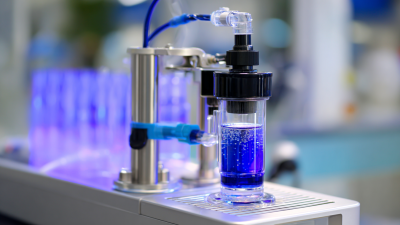
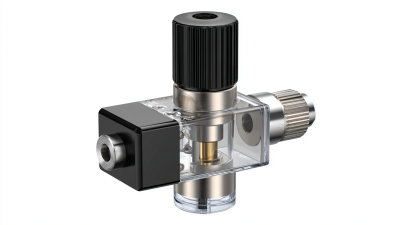
In the ever-evolving field of water treatment, the significance of precise pH control cannot be underestimated. As emphasized by Dr. Emily Thompson, a leading expert in water quality management, “The effectiveness of water treatment solutions fundamentally relies on accurate and consistent pH levels, which is where the importance of a pH dosing pump comes into play.” Utilizing a pH dosing pump not only simplifies the process of maintaining optimal pH levels but also enhances the overall efficiency of water treatment systems.
The top ten benefits of using a pH dosing pump extend beyond mere convenience; they encompass improved water quality, reduced chemical consumption, and lower operational costs. These systems provide automated and precise dosing capabilities, ensuring that water treatment processes are both effective and sustainable. Moreover, advancements in pH dosing pump technology enable operators to monitor and adjust pH levels in real-time, thus preventing potential environmental hazards and ensuring compliance with regulatory standards.
As water treatment continues to be a critical component of environmental protection and public health, understanding the vital role of pH dosing pumps will empower professionals in the industry to make informed decisions. By leveraging the advantages offered by these innovative devices, we pave the way for smarter, more efficient water treatment solutions.
Benefits of Enhanced pH Control in Water Treatment with Dosing Pumps
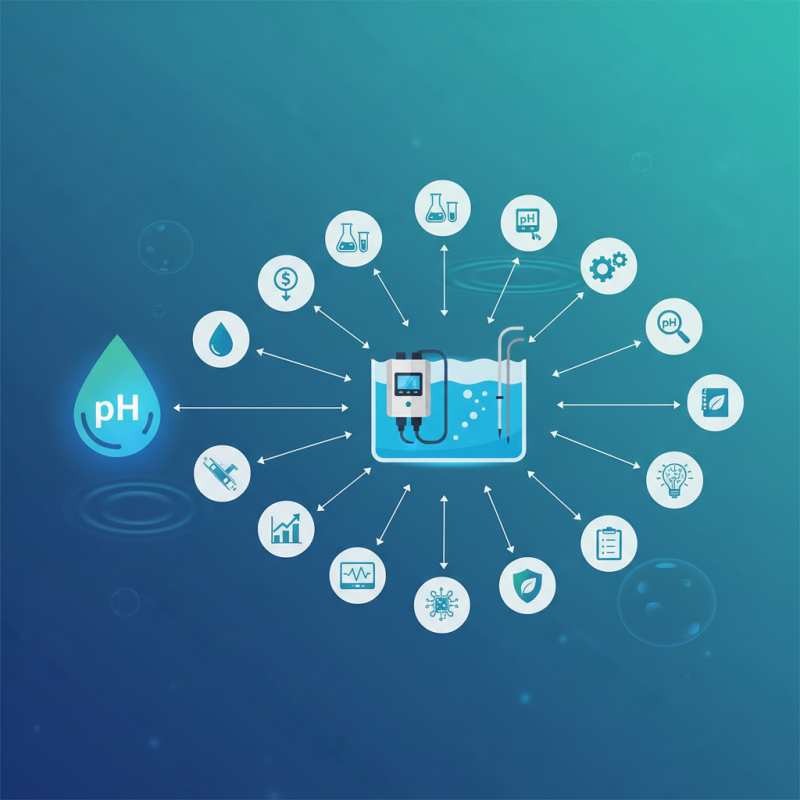
Enhanced pH control in water treatment is critical for maintaining water quality and ensuring the efficacy of treatment processes. Dosing pumps play a significant role in this regard by providing precise and consistent additions of pH adjustment chemicals, which can prevent the formation of harmful contaminants and improve overall water safety. According to the Water Environment Federation, maintaining optimal pH levels is essential, as even minor deviations can lead to severe treatment issues and affect the biological processes involved in wastewater treatment.
One of the major benefits of using dosing pumps is their ability to deliver precise dosages based on real-time pH readings, allowing for immediate adjustments in response to fluctuating water conditions. A report from the American Water Works Association found that this automated control can reduce chemical usage by up to 30%, leading to lower operational costs and minimizing environmental impacts. Additionally, accurate pH control helps avoid corrosion in pipelines and equipment, extending the lifespan of water treatment infrastructure and reducing maintenance costs.
Furthermore, enhanced pH regulation through dosing pumps contributes to improved regulatory compliance. The Environmental Protection Agency (EPA) mandates strict pH level limits for wastewater discharges. Utilizing advanced dosing systems enables water treatment facilities to consistently meet these regulations, thereby avoiding potential fines and contributing to sustainable local water management practices. By implementing such technologies, water treatment facilities not only enhance their operational efficiency but also promote environmental stewardship by ensuring the output of safe, clean water.
Top 10 Benefits of Using a pH Dosing Pump for Water Treatment Solutions
Cost Savings from Reduced Chemical Consumption in pH Adjustment Processes
One of the most significant advantages of utilizing a pH dosing pump in water treatment is the potential for substantial cost savings achieved through reduced chemical consumption. Traditional methods of pH adjustment often involve the manual addition of chemicals, which can lead to excess usage and higher operational costs. In contrast, a pH dosing pump ensures precise dosing according to real-time water conditions, allowing for optimal chemical use. This precision not only minimizes waste but also reduces the overall demand for chemicals, contributing to lower expenses in the long run.
Moreover, by optimizing the chemical dosing process, pH dosing pumps can enhance the efficacy of water treatment operations. When chemicals are dispensed accurately, it leads to a more stable pH level, thereby reducing the frequency and volume of corrective actions that may be required. This efficiency not only lowers chemical costs but also contributes to less wear and tear on equipment and infrastructure, providing additional savings for facilities. As businesses increasingly seek cost-effective and sustainable solutions, the implementation of pH dosing pumps presents a strategic opportunity to achieve both economic and environmental benefits in water treatment processes.
Improved Water Quality Consistency through Automated pH Dosing Solutions
Automated pH dosing solutions play a crucial role in enhancing the consistency of water quality in various treatment processes. As highlighted in the Water Quality Association's latest report, maintaining optimal pH levels in water is critical for both compliance with regulatory standards and ensuring the effectiveness of water treatment methods. A study by the American Water Works Association reveals that fluctuations in pH can lead to diminished efficiency in disinfection processes and the potential release of harmful substances from pipes, demonstrating the importance of stable pH control.
The implementation of pH dosing pumps facilitates precise adjustments by continuously monitoring and adjusting pH levels in real-time. This automation significantly reduces human error and reliance on manual interventions, which can often lead to inconsistent readings and treatment levels. Industry data indicates that facilities that utilize automated pH dosing systems have witnessed an improvement in water quality consistency by as much as 30%, thus enhancing operational performance and compliance with environmental regulations. Furthermore, by effectively managing chemical usage, these systems can contribute to lower operational costs and better resource management, proving themselves indispensable in modern water treatment solutions.
Top 10 Benefits of Using a pH Dosing Pump for Water Treatment Solutions
| Benefit |
Description |
Impact on Water Quality |
| Enhanced Consistency |
Automated dosing ensures uniform pH levels. |
Reduces fluctuations in water quality. |
| Reduced Labor Costs |
Lowers the need for manual pH adjustments. |
Less human error in maintenance. |
| Precise Dosing |
Allows for exact chemical quantities resistant to overuse. |
Improves overall water quality balance. |
| Improved Safety |
Minimizes exposure to hazardous chemicals. |
Promotes a safer working environment. |
| Better Compliance |
Ensures adherence to environmental regulations. |
Prevents potential fines and legal issues. |
| Real-Time Monitoring |
Continuous tracking of pH levels. |
Immediate response to water quality changes. |
| Increased Efficiency |
Optimizes chemical use and treatment processes. |
Enhances treatment outcomes. |
| Space Savings |
Compact design saves installation space. |
Easier integration into existing systems. |
| Cost-Effective |
Reduces chemical waste and associated costs. |
Overall savings on water treatment expenses. |
| Enhanced Performance |
Delivers optimal pH for various applications. |
Supports diverse water treatment needs. |
Increased Efficiency in Water Treatment Operations Using Dosing Pumps
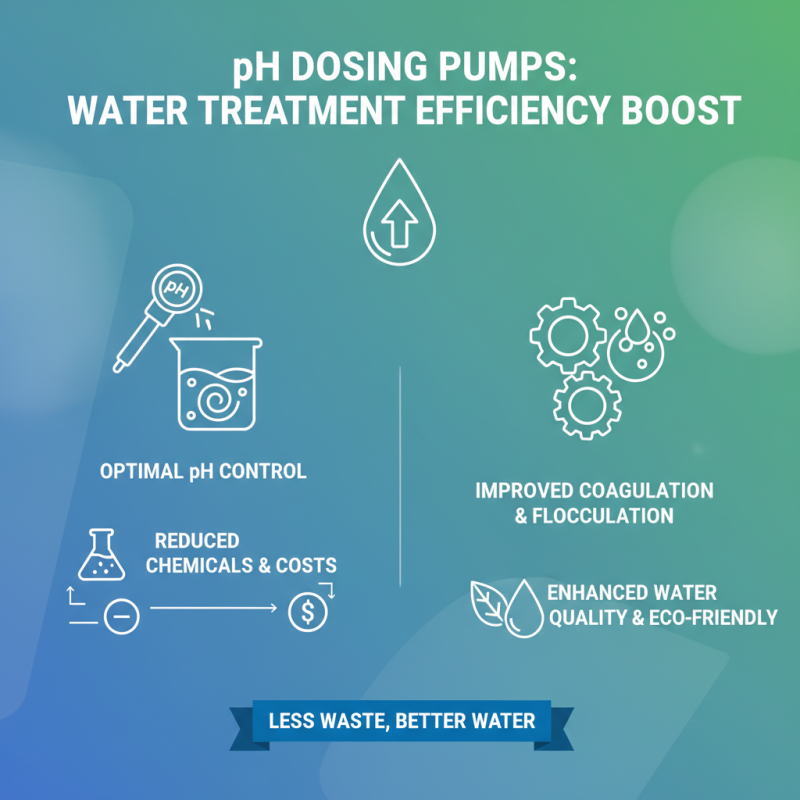
The utilization of pH dosing pumps in water treatment operations has shown to significantly enhance efficiency, improving both the quality of treated water and the operational workflow. According to a report by the Water Environment Federation, proper pH control can enhance the effectiveness of coagulation and flocculation processes, which are essential for removing impurities from water. By maintaining an optimal pH level, facilities can reduce the amount of chemical additives needed, leading to lower operational costs and decreased environmental impact.
Moreover, a study conducted by the American Water Works Association indicates that implementing automated pH dosing systems can decrease manual labor requirements and the potential for human error. The automation not only ensures consistent dosing rates but also allows for real-time monitoring and adjustments, which helps maintain compliance with regulatory standards. This not only boosts the overall efficiency of water treatment operations but also leads to improved safety for both workers and the surrounding environment. As water treatment facilities continue to adopt advanced technologies, the role of pH dosing pumps in streamlining operations and enhancing treatment outcomes becomes increasingly vital.
Regulatory Compliance and Risk Mitigation with Precise pH Management
Effective pH management is crucial for water treatment solutions, particularly when considering
regulatory compliance and risk mitigation. Maintaining the appropriate pH level in water is not only essential for optimal chemical reactions during treatment processes but is also a fundamental requirement outlined in environmental regulations. A pH dosing pump facilitates accurate and automated pH adjustments, ensuring that water treatment meets the necessary standards set by local and national agencies.
This precision helps to avoid penalties and legal liabilities associated with non-compliance, while also fostering a safer environment for both operators and the community.
Moreover, by minimizing the risk of pH fluctuations, these pumps contribute to the stability and effectiveness of treatment systems. An unstable pH can lead to problems such as corrosion of equipment, reduced efficiency of treatment chemicals, and negative impacts on aquatic life if untreated water is released into natural bodies. By implementing a reliable pH dosing system, facilities can manage risks proactively, ensuring that water quality remains within safe limits. This approach not only enhances compliance with environmental regulations but also supports the overall goal of sustainable water management practices.