2026 Best Automatic Dosing System for Efficient Chemical Management?
As industries evolve, the need for efficient chemical management becomes paramount. The Automatic Dosing System has emerged as a game-changer in this arena, ensuring precise chemical delivery while minimizing waste. According to a recent report by MarketsandMarkets, the automatic dosing system market is projected to reach $5.2 billion by 2026, highlighting a growing demand in various sectors.
Dr. Emily Carter, a leading expert in chemical engineering, emphasizes the significance of these systems. She states, "Accurate dosing is critical for safety and efficiency in chemical processes." Yet, despite technological advancements, there remain challenges. Many facilities struggle with outdated systems that hinder optimization.
The focus on automation must also consider user training and system adaptability. This presents an opportunity for manufacturers to innovate in user-friendly designs. Overall, the future of Automatic Dosing Systems promises advancements in efficiency and safety, but the path forward requires thoughtful reflection and continued improvement.

Overview of Automatic Dosing Systems and Their Importance
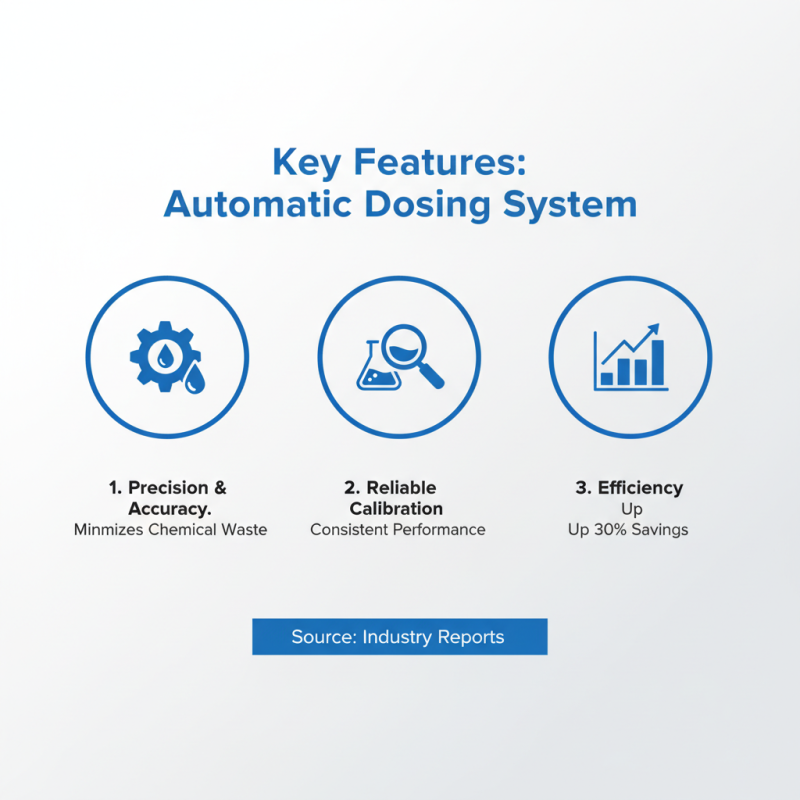
Automatic dosing systems play a crucial role in efficient chemical management across various industries. They ensure precision in chemical delivery, which prevents overuse and waste. According to a report by Global Market Insights, the automatic dosing system market is expected to reach over $4 billion by 2027. This growth highlights the increasing importance of these systems in operations striving for sustainability and cost efficiency.
Modern automatic dosing systems utilize advanced algorithms and sensors to monitor chemical concentrations in real-time. This capability enables facilities to maintain optimal conditions while reducing operational risks. However, improper calibration of these systems can lead to significant errors. Research indicates that up to 30% of industrial facilities face challenges with chemical dosing accuracy. Ensuring proper setup and regular maintenance is essential for maximizing effectiveness.
Tips: Regular training for staff on system operation can enhance reliability. Automation can elevate productivity, but continuous monitoring is necessary to capture potential issues before they escalate. Addressing these concerns early can prevent costly mistakes and ensure safety in chemical management.
Top Brands and Models for Automatic Dosing Systems in 2026
Choosing the best automatic dosing system for chemical management in 2026 is essential for various industries. These systems enhance precision and efficiency. Different brands offer unique features tailored to specific needs. It's crucial to evaluate the technology and reliability of these brands. Many models range from simple pumps to complex integrations with monitoring systems.
While exploring top options, consider system compatibility with existing setups. Some models excel in residential applications, while others focus on industrial use. User reviews can shed light on real-life performance. However, not every popular choice is perfect. Issues like maintenance costs or ease of use may arise.
Investing in an automatic dosing system demands careful deliberation. Budget constraints often affect choices. It's essential to balance cost and quality. Research shows that quality systems lead to long-term savings and efficiency. Yet, many brands may undervalue customer support, leaving users in trouble. Selecting the right system involves thoughtful consideration and thorough research.
2026 Best Automatic Dosing System for Efficient Chemical Management
| Model |
Flow Rate (L/h) |
Chemical Compatibility |
Control Type |
Price Range (USD) |
| Model A |
300 |
Acids, Bases |
Manual |
$500 - $800 |
| Model B |
500 |
Solvents, Acids |
Automatic |
$700 - $1200 |
| Model C |
750 |
Chemicals, Bases |
Digital |
$900 - $1500 |
| Model D |
1000 |
Acids, Alkalis |
Semi-Automatic |
$800 - $1300 |
Cost Considerations and Budgeting for Dosing Systems
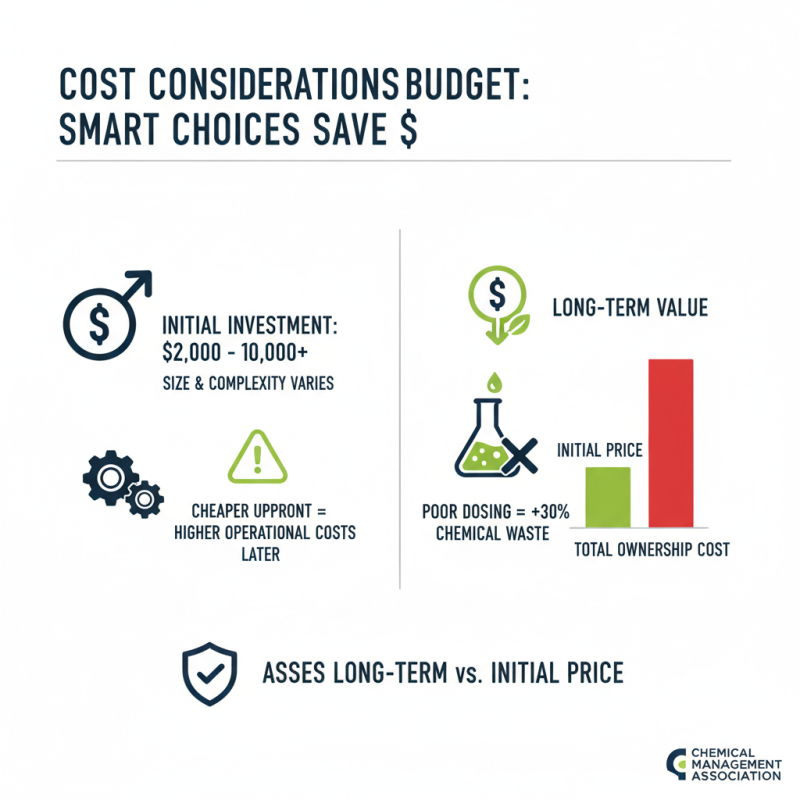
When considering automatic dosing systems, cost is a crucial factor. The average initial investment can range from $2,000 to $10,000, depending on the system's size and complexity. Cheaper systems might save money upfront, but could lead to higher operational costs later. A report from the Chemical Management Association highlights that poor dosing can increase chemical waste by 30%. This points to the need for a careful assessment of long-term costs versus initial pricing.
Maintenance costs also play a role in the budget. Reports indicate that maintenance can consume up to 15% of operational expenses annually. Reliable systems may require less frequent servicing, but costs for spare parts and expert technicians vary widely. An analysis of different sectors shows that investing in a higher-quality system often pays off. Some facilities have reduced chemical usage by 20% after upgrading their dosing systems. However, there can be hidden costs in employee training, which is necessary for efficient system operation. Understanding these factors is crucial for effective budgeting in chemical management.
Future Trends in Chemical Management and Dosing Technologies
The future of chemical management and dosing technologies is promising. As industries seek efficiency, the automatic dosing system is gaining traction. According to the latest market research, the demand for advanced dosing solutions has increased by 15% annually. These systems can optimize chemical usage, reduce waste, and improve safety measures. Companies are looking for innovative ways to manage chemical dosing, especially in sectors like water treatment and agriculture.
Recent studies indicate a shift towards integrating IoT technology in dosing systems. This integration allows real-time monitoring and adjustments. Reports suggest that 70% of companies utilizing IoT solutions in chemical management have seen a reduction in operational costs. However, challenges remain. Data security is a notable concern. As systems become more interconnected, ensuring the safety of sensitive information is paramount. Companies must invest in robust security protocols.
Moreover, the complexity of implementation can cause hesitation. Staff training and system compatibility often require additional resources. It’s essential for organizations to weigh these factors before transitioning fully to automated systems. While the benefits are clear, the path to efficient chemical management must be navigated carefully.