2026 Best Dissolved Air Flotation Systems for Global Buyers?
In recent years, the demand for efficient wastewater treatment solutions has grown significantly. Dissolved Air Flotation (DAF) systems have emerged as a popular choice for global buyers. These systems remove suspended solids, oils, and greases effectively, adapting to various industrial needs. However, selecting the best DAF system can be challenging.
Understanding the unique requirements of different applications is vital. Each facility has distinct goals and constraints. Therefore, a one-size-fits-all approach may not work. Buyers must consider factors like capacity, recovery rates, and maintenance needs.
Experts suggest researching trusted suppliers who offer system customization. Evaluating performance metrics and user reviews adds to informed decision-making. Many systems may promise high efficiency, but not all deliver as expected. Engaging with professionals who provide case studies and testimonials can help clarify doubts. The evolving technology of Dissolved Air systems continues to shape the wastewater treatment landscape. Yet, buyers need to remain cautious and thoughtful in their approach.
Overview of Dissolved Air Flotation Systems and Their Applications
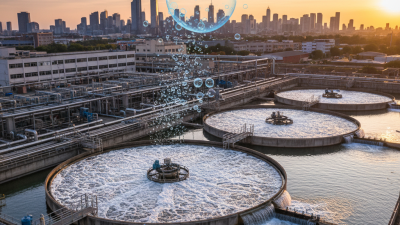
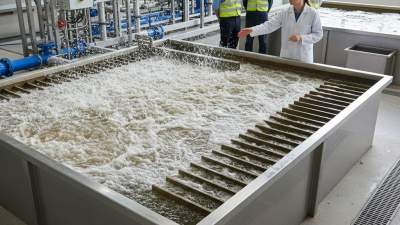
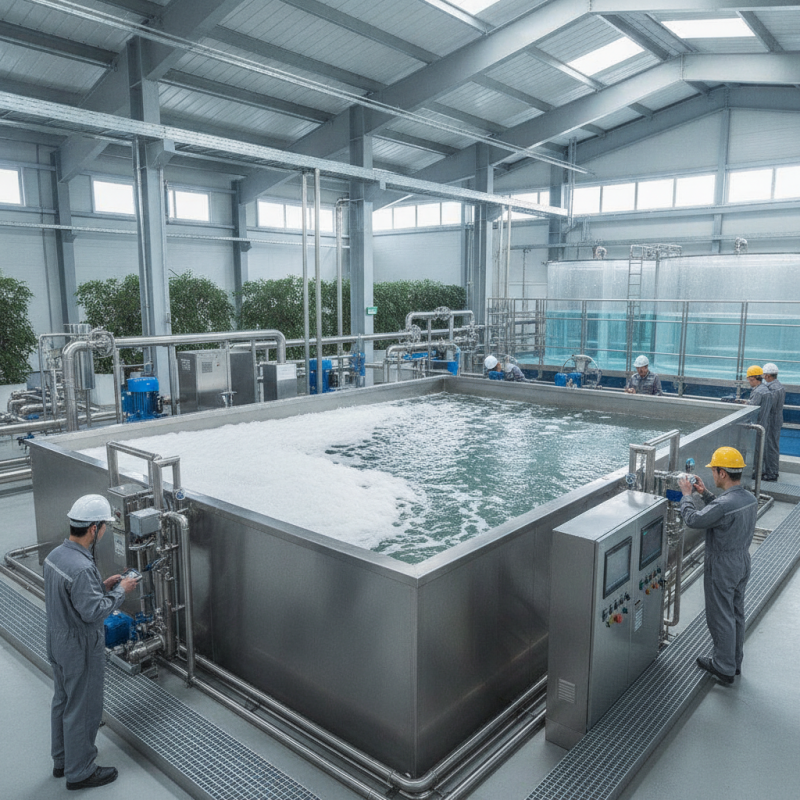
Dissolved Air Flotation (DAF) systems are vital in wastewater treatment. They operate by generating tiny air bubbles, which attach to suspended solids. This process enhances the separation of impurities, making it effective for various applications. According to the Water Environment Federation, DAF systems account for over 30% of municipal wastewater treatment in industrial sectors.
These systems are particularly useful in removing fats, oils, and grease. In specific industries, like food and beverage, up to 90% of these contaminants can be eliminated. The versatility of DAF systems allows them to adapt to different operational challenges. They can handle varying flow rates, but their effectiveness can be compromised by high solids concentrations. It is essential to monitor water chemistry to optimize performance.
DAF technology has shown promising advancements, yet challenges remain. Operators must be aware of potential fouling in the flotation system. Regular maintenance and a deep understanding of system dynamics are crucial for sustainability. Many operators may overlook crucial data that can significantly affect the system's efficiency. Balancing technology implementation with real-time monitoring proves vital for maximizing treatment outcomes.
Key Features to Look for in DAF Systems for Optimal Performance
When selecting a dissolved air flotation (DAF) system, several key features can greatly enhance its performance. Efficiency is crucial. An effective DAF system should remove suspended solids and oils with minimal energy consumption. Look for systems that employ advanced mixing technologies. These often result in better air dissolution and flotation.
Another important aspect is the system's size and footprint. Some DAF systems are compact, making them easy to integrate into existing operations. This can be especially beneficial for facilities with limited space. Additionally, consider the material of the unit. Corrosion-resistant materials can extend the lifespan of the equipment, reducing long-term costs.
Monitoring and control options are also vital. Systems equipped with automated controls can significantly improve reliability. They ensure optimal operating conditions and reduce human errors. However, consider the maintenance needs. All systems require upkeep, and frequent maintenance can disrupt operations. Proper documentation and support from manufacturers can be a determining factor in making the right choice.
Leading Brands and Manufacturers in the Dissolved Air Flotation Market
Dissolved Air Flotation (DAF) systems are crucial in various industries. They efficiently remove solids, oils, and greases from wastewater. This technology is widely adopted in food processing, petrochemical, and municipal wastewater treatment. Current trends highlight the need for reliable and effective systems in the global market.
When choosing a DAF system, consider several factors. Assess the efficiency ratings of different models. Look for systems that offer easy maintenance and durability. The size and design are also important. A system that fits well in your facility can save time and costs.
Tip: Always consult with industry experts when selecting a system. Their insights can provide clarity on what features matter most. Testing different models with a pilot study can help identify the best fit. Remember, investing in high-quality systems can lead to better long-term results. Be cautious about making hasty decisions; the right choice enhances operational performance.
Comparative Analysis of Costs and Efficiency in DAF Systems
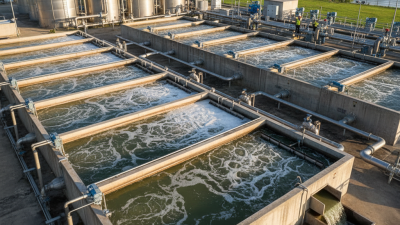
Dissolved Air Flotation (DAF) systems play a crucial role in water treatment. They separate contaminants from water using tiny air bubbles. The efficiency of these systems varies widely. Factors such as design, materials, and operating conditions influence performance. Cost-effectiveness is also a key consideration for global buyers.
Many DAF systems claim high efficiency, but their actual performance often falls short. Some systems operate well under specific conditions but struggle in others. This variability raises questions about their reliability. Buyers should examine case studies to assess the performance of different systems. It's essential to consider not just upfront costs, but also long-term operational expenses.
In comparing DAF systems, you might find discrepancies in reported data. Some manufacturers highlight impressive numbers while overlooking important metrics. Efficiency is generally measured in removal rates of solids and oils. However, factors like maintenance requirements and energy consumption also impact overall effectiveness. Buyers must think critically about these aspects before making a decision.
2026 Best Dissolved Air Flotation Systems: Comparative Analysis of Costs and Efficiency