Top 10 Best Dissolved Air Flotation Systems for Effective Water Treatment?
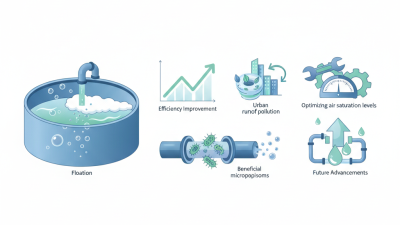
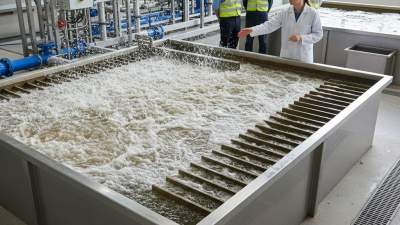
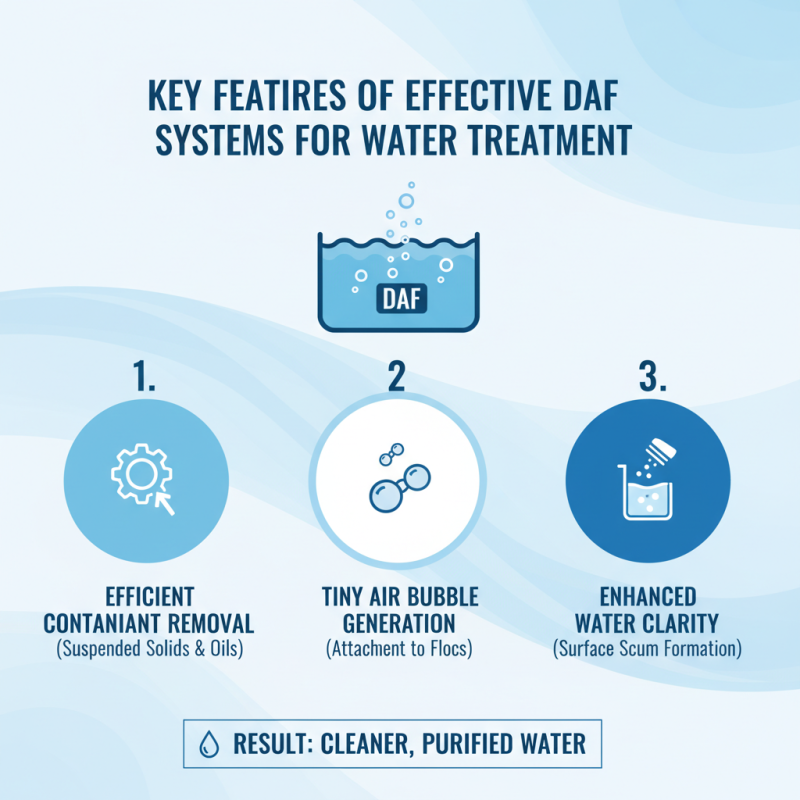
Dissolved Air flotation (DAF) systems are critical in modern water treatment. These systems effectively separate contaminants, improving water quality. The process involves air being dissolved in water, forming micro-bubbles. These bubbles attach to suspended solids, causing them to rise and float to the surface. This method enhances the removal of oils, fats, and solids.
Understanding the best DAF systems is essential for operators and engineers. Not all systems perform equally well; efficiency varies greatly. Factors such as design features and application suitability affect performance. Moreover, some installations may face challenges, such as maintenance issues or space constraints.
Selecting the right DAF system demands careful consideration. Users must reflect on their specific needs and local water conditions. An informed choice can lead to improved outcomes. However, the complexities of this technology are significant and may be overlooked. Comprehensive evaluation is necessary for effective water treatment.
Understanding Dissolved Air Flotation (DAF) Systems and Their Applications
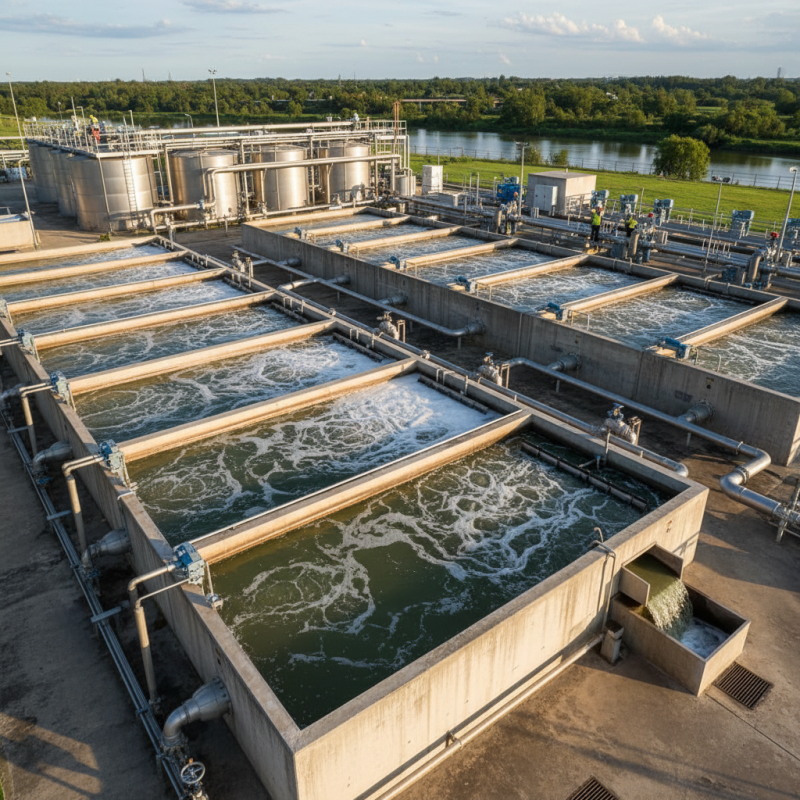
Dissolved Air Flotation (DAF) systems are effective tools in water treatment. They remove suspended solids, oils, and other contaminants from water. The process works by introducing air under pressure into a water stream. When the pressure is released, air bubbles form and attach to particles, making them float. This gives an efficient way to separate impurities from water.
DAF systems find applications in various industries. They are commonly used in municipal wastewater treatment, food processing, and paper mills. In these settings, the removal of fats, oils, and grease is crucial. However, the efficiency of a DAF system often depends on factors like water quality and temperature. Operators must monitor these variables closely.
Despite their effectiveness, DAF systems are not a one-size-fits-all solution. Some users have reported challenges with maintenance and sludge handling. Each installation requires thoughtful consideration of the specific context. Overall, understanding the diverse capabilities and limitations of DAF systems is essential for optimal water treatment.
Top 10 DAF Systems: An Overview of Performance and Efficiency
Dissolved Air Flotation (DAF) systems are crucial for effective water treatment. They work by removing suspended solids, oils, and other impurities from wastewater. The efficiency of a DAF system largely depends on its design. Various configurations can impact performance. Understanding these differences is vital for selecting the right system.
Performance metrics vary among DAF systems. Some may excel in separating oils effectively, while others may struggle with fine particles. It’s common to see systems with high efficiency in controlled conditions but lower performance in real-world applications. Evaluating performance data can reveal these discrepancies.
When considering efficiency, several factors come into play. The treatment capacity is one significant aspect. Some systems may not handle variable loads, leading to inefficiencies. Regular maintenance also impacts system performance. Neglecting maintenance can lead to reduced efficiency over time. Reflecting on these points will aid in choosing a DAF system that meets specific needs.
Top 10 Best Dissolved Air Flotation Systems for Effective Water Treatment
| System Model |
Treatment Capacity (m³/h) |
Energy Consumption (kWh/m³) |
Operating Pressure (Bar) |
Efficiency (%) |
| Model A |
50 |
0.8 |
4.0 |
90 |
| Model B |
75 |
0.6 |
4.5 |
92 |
| Model C |
40 |
1.0 |
3.5 |
88 |
| Model D |
60 |
0.7 |
4.2 |
91 |
| Model E |
80 |
0.5 |
4.8 |
93 |
| Model F |
30 |
1.2 |
3.0 |
85 |
| Model G |
55 |
0.9 |
4.1 |
89 |
| Model H |
45 |
1.1 |
3.8 |
87 |
| Model I |
70 |
0.7 |
4.3 |
90 |
| Model J |
90 |
0.4 |
5.0 |
94 |
Comparison of Cost and Maintenance for Leading DAF Systems
The choice of a dissolved air flotation (DAF) system is crucial for effective water treatment. Evaluating the cost and maintenance of these systems can help in making informed decisions. The initial investment often varies widely among top models. Some systems may cost more upfront but save in maintenance. Consider the long-term operational costs when evaluating options.
For maintenance, keep in mind that simplicity often correlates with lower costs. Systems that require frequent part replacements or specialized servicing can significantly increase overall expenses. Choose models that are designed for easy access to essential components. This can simplify routine checks and reduce downtime.
Tips: Always review the warranty and customer support services. A robust support system can be beneficial for troubleshooting and repairs. Be cautious of overly complex features that may not justify their costs. Balancing quality and affordability is key, yet many overlook the reliability of service providers in this industry.
Future Trends in Dissolved Air Flotation Technology for Water Treatment
The future of dissolved air flotation (DAF) technology in water treatment is poised for exciting developments. Recent industry reports indicate that the global DAF market is projected to reach $4 billion by 2027, growing at a compound annual growth rate (CAGR) of 6.2%. This growth is driven by a shift towards more efficient and sustainable water treatment solutions.
Innovations in DAF systems are focused on improving both efficiency and reliability. Advanced systems are incorporating real-time monitoring technologies, which enhance operational control. For instance, smart sensors can optimize air-to-water ratios, leading to more effective particle removal. However, challenges remain. Many facilities still face issues with system scalability and energy consumption. In some cases, older DAF systems struggle to meet modern demands, prompting a need for upgrades.
The integration of biodegradable flocculants is another emerging trend. Studies show that these materials can significantly improve the performance of DAF systems. This alignment with green technology reflects a broader industry movement towards sustainability. Nonetheless, the transition to these innovative practices may require further research to evaluate their long-term impacts on performance and cost-effectiveness.
Top 10 Best Dissolved Air Flotation Systems for Effective Water Treatment
This chart displays the performance of various dissolved air flotation systems in terms of their efficiency in removing suspended solids in water treatment processes.