Best Metering Dosing Pump Guide What You Need to Know?
In today's industrial landscape, the importance of precision cannot be overstated. The Metering Dosing Pump plays a critical role in various applications, from chemical processing to water treatment. These pumps ensure that the right amount of fluid is delivered at the right time, enhancing efficiency. However, choosing the right Metering Dosing Pump can be challenging.
Many factors must be considered when selecting a pump. The pump's flow rate, pressure, and compatibility with specific fluids are crucial. Users often overlook these details, leading to inefficiencies. Miscalculations can result in underdosing or overdosing, which can adversely affect operations.
Understanding the intricacies of Metering Dosing Pumps is essential for optimal performance. It requires careful thought and consideration. This guide aims to provide insights into these pumps, highlighting key aspects you need to know. Remember: A well-informed choice is vital for success.
Understanding Metering Dosing Pumps: Basics and Applications
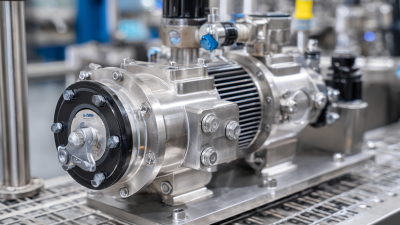
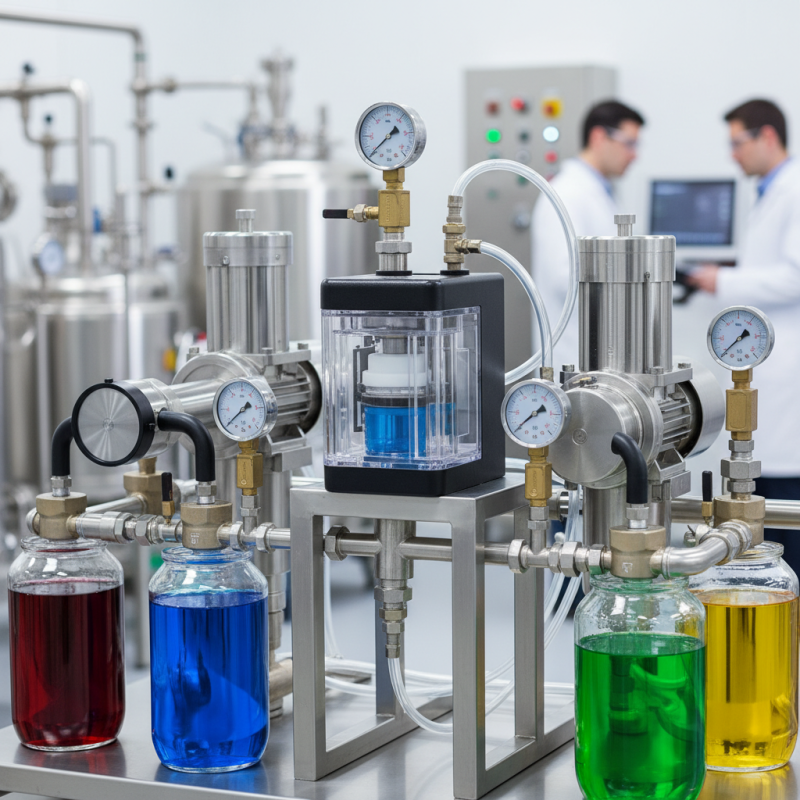
Metering dosing pumps are essential in various industries. They accurately deliver specific volumes of fluids at controlled rates. This precision is crucial in chemical manufacturing, wastewater treatment, and food processing. Users rely on these pumps for maintaining consistency in their processes. These pumps can also help prevent over-dosing or under-dosing of chemicals.
Understanding how these pumps operate is vital. Metering dosing pumps typically use mechanical or electronic methods for operation. Some are designed for low flow, while others handle higher capacities. Frequent calibrations and regular maintenance are necessary for optimal performance. Users sometimes overlook these tasks, leading to inefficiencies.
Incorrect installation can also lead to issues. Users may assume they have connected everything correctly. However, small mistakes can cause major problems. Identifying leaks or disruptions early can save time and money. Overall, proper knowledge and maintenance of metering dosing pumps are vital for successful applications. Each step in this process deserves careful attention.
Types of Metering Dosing Pumps: A Comprehensive Overview
Metering dosing pumps are essential in various industries. They ensure precise chemical dosing, which is crucial for processes like water treatment and pharmaceuticals. According to a recent industry report, the global metering pump market is projected to reach $4.2 billion by 2027. This growth reflects increasing demand for accuracy and reliability in fluid handling.
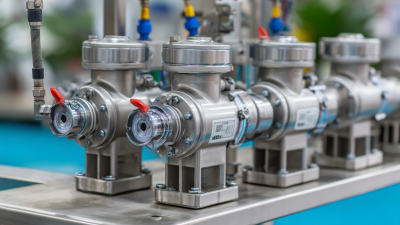
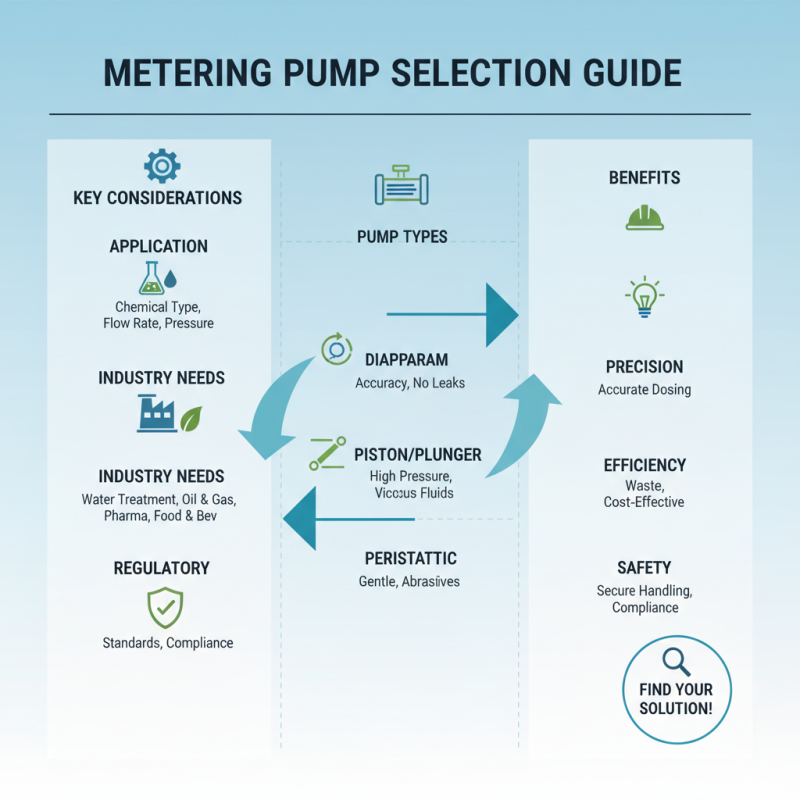
Different types of metering pumps exist. They can be categorized mainly into diaphragm, piston, and peristaltic pumps. Diaphragm pumps are popular due to their ability to handle aggressive chemicals without contamination. Piston pumps, on the other hand, provide high pressure and accuracy, making them suitable for high-viscosity liquids. Peristaltic pumps are favored for their gentle handling of sensitive fluids.
However, the choice of pump should consider both the fluid characteristics and the installation environment.
There are challenges as well. Not all pumps suit every application. The wrong pump can lead to inefficiencies or even system failures. It's important to evaluate specific requirements before making a decision. Some reports indicate that improper selection can increase operating costs by up to 30%. Understanding pump types is vital for system integrity and cost-effectiveness.
Key Features and Specifications to Consider in Metering Pumps
When choosing a metering dosing pump, several key features and specifications stand out. Pump types vary. You may encounter diaphragm, peristaltic, or gear pumps. Each type has its benefits depending on the application. Consider the fluid being pumped. Viscosity and chemical compatibility are major factors. Choosing the wrong pump can lead to failures and costly downtime.
Flow rate is another critical specification. It’s essential to know the required flow rate for your processes. Different pumps provide varying capacities, often measured in liters per hour. Precision is important. Metering pumps achieve high accuracy, sometimes within ±1%. This ensures that the right amount of fluid is dispensed consistently.
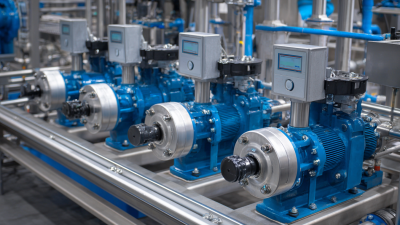
Another aspect to reflect on is the control mechanism. Manual controls may be suitable for basic applications. However, automated systems offer enhanced efficiency. These systems often include digital displays and programmable settings. It is vital to assess the ease of maintenance too. Some designs are simpler to service than others. Inadequate maintenance can lead to reduced performance. Think carefully about these factors. They could greatly impact your operations.
Best Metering Dosing Pump Guide - Key Features and Specifications
| Feature |
Description |
Specification |
| Flow Rate |
The volume of fluid that the pump can dispense per unit of time. |
0.5 - 2000 L/h |
| Pressure Range |
The maximum pressure that the pump can handle. |
1 - 20 bar |
| Materials of Construction |
Materials used in pump housing, diaphragm, and wet end. |
PVC, PVDF, Stainless Steel |
| Power Supply |
Type of electrical supply required to operate the pump. |
110V / 220V, 50/60 Hz |
| Control Options |
Methods to adjust flow rate and operation. |
Manual, Analog, Digital |
| Calibration |
Process to ensure accurate flow measurements. |
Auto Calibration, Manual Calibration |
| Suitable Fluids |
Types of fluids the pump can handle. |
Water, Chemicals, Viscous Liquids |
| Operating Temperature |
Range of temperature in which the pump operates efficiently. |
0°C to +60°C |
Selecting the Right Metering Pump for Your Specific Needs
Selecting the right metering pump requires understanding specific needs. Different industries have varied requirements. For example, water treatment facilities may need precise chemical dosing. This ensures effective purification and compliance with health standards.
Recent industry reports show that nearly 60% of companies struggle with pump selection. Many factors contribute to this challenge. Flow rate, pressure, and viscosity are critical parameters. Ignoring these can lead to inefficiencies. A pump that suits one application may fail in another.
Many users underestimate the importance of pump materials. Corrosion-resistant options are essential in chemical processing. Yet, only 30% of users thoroughly assess material compatibility. This oversight can cause costly downtime. Furthermore, the total cost of ownership is often neglected. Initial price doesn't reflect long-term expenses. Regular maintenance and energy consumption can add up. Balancing upfront costs with future savings is vital for informed decisions.
Maintenance Tips for Ensuring Longevity of Metering Dosing Pumps
Metering dosing pumps play a crucial role in various industries. Regular maintenance can ensure their longevity and optimal performance. Start by inspecting the pump's seals and gaskets.
These components can wear out, leading to leaks. Replacing them periodically can prevent costly downtime.
Keep an eye on the pump's calibration. Deviations can occur over time. Regularly check and recalibrate if necessary. This is vital for precise dosing.
Additionally, ensure that the pump is clean. Accumulated debris can affect performance. A simple cleaning routine can make a significant difference.
Pay attention to the motor and drive system. They often require lubrication. Neglecting this can lead to wear and tear. Regularly check for unusual noises or vibrations.
These may indicate underlying issues. Lastly, don’t forget about operator training. Proper handling can prevent mishaps and extend pump life.