The Best Micro Bubble Air Diffuser for Aquatic Health and Clarity
In the realm of aquatic health and clarity, the importance of efficient aeration cannot be overstated. One innovative solution that has garnered significant attention is the Micro Bubble Air Diffuser. This advanced device generates fine bubbles that enhance oxygen saturation in water, promoting a healthier environment for aquatic life. As fish and other organisms thrive in well-aerated environments, the inclusion of micro bubble technology has become essential in both home aquariums and larger aquatic systems.
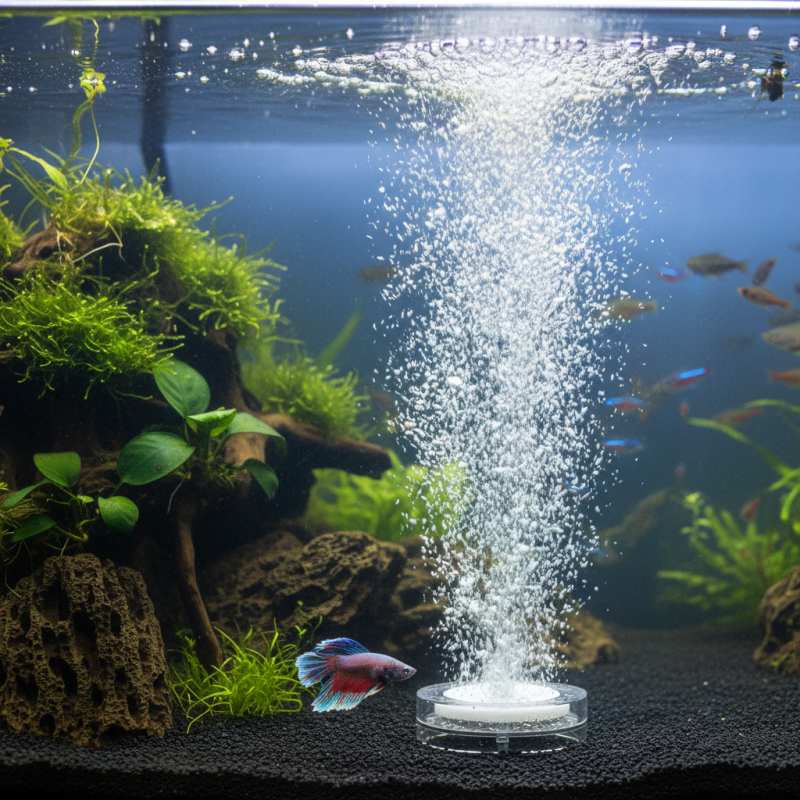
By facilitating optimal oxygen levels and ensuring proper circulation, the Micro Bubble Air Diffuser plays a crucial role in improving water quality. As larger bubbles tend to rise quickly to the surface, micro bubbles, due to their smaller size, remain suspended longer, allowing for a more effective transfer of oxygen to the water column. This leads not only to healthier aquatic conditions but also helps in minimizing harmful pathogens and reducing algae growth. As we explore the various benefits and features of the best micro bubble air diffusers available, it becomes clear that these devices are vital for anyone looking to enhance the clarity and health of their aquatic environments.
The Importance of Micro Bubbles in Aquatic Health and Clarity
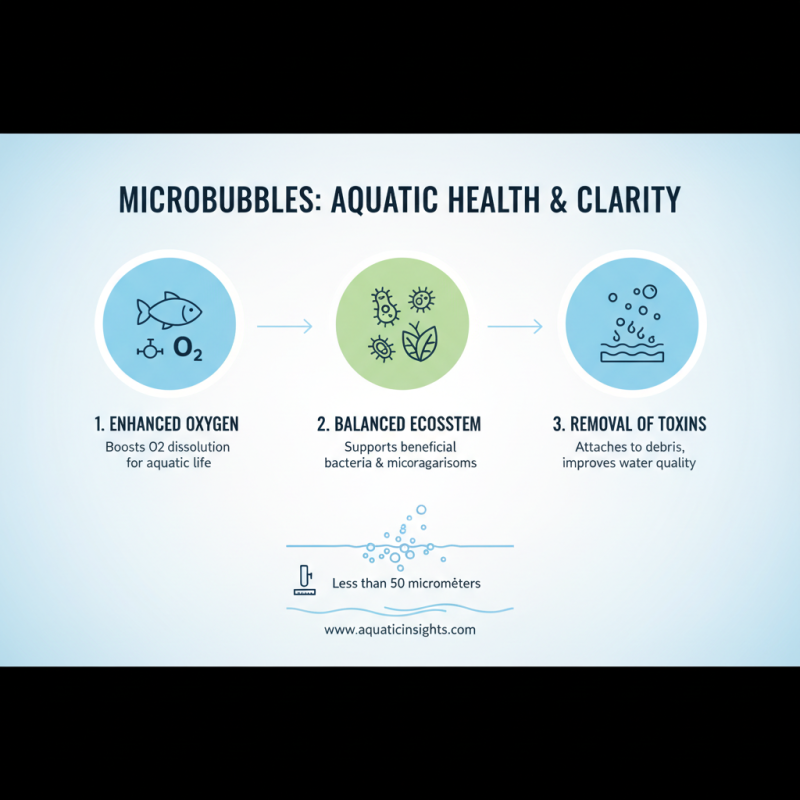
Micro bubbles play a crucial role in promoting aquatic health and clarity. These tiny air bubbles, often smaller than 50 micrometers, enhance oxygen dissolution in water, which is vital for the survival of fish and other aquatic organisms. By increasing the oxygen levels, micro bubbles support the growth of beneficial bacteria and other microorganisms, which contribute to a balanced ecosystem. Furthermore, they help in the removal of harmful substances by attaching to toxins and debris, effectively improving overall water quality.
Incorporating micro bubble air diffusers in aquatic systems can significantly improve water clarity. The interaction of micro bubbles with contaminants helps to break them down, leading to clearer water and a healthier environment for aquatic life. Moreover, a well-oxygenated environment facilitates better nutrient absorption for plants, promoting their growth, which in turn supports fish and other aquatic species.
Tips for optimal use of micro bubble diffusers include regular monitoring of water quality parameters, such as dissolved oxygen levels and pH, to ensure an appropriate environment for aquatic life. Additionally, positioning the diffusers strategically to maximize bubble dispersion can enhance their effectiveness. Lastly, consider adjusting the airflow to match the specific needs of your aquatic system, as different environments may require varying levels of aeration.
How Micro Bubble Air Diffusers Enhance Oxygen Levels in Water
Micro bubble air diffusers are essential tools in maintaining optimal aquatic health by significantly enhancing oxygen levels in water. Unlike traditional air diffusers, which produce larger bubbles, micro bubble diffusers create tiny bubbles that remain suspended in the water for an extended period. This prolonged retention increases the gas exchange surface area, allowing for more oxygen to dissolve into the water column. As a result, aquatic life can thrive, as higher dissolved oxygen levels support fish respiration, promote beneficial bacterial activity, and reduce stress in aquatic organisms.
Moreover, micro bubbles contribute to improved water clarity and overall ecosystem balance. When these tiny bubbles rise through the water, they help to agitate and circulate the water, preventing stagnant areas where debris and waste can accumulate. This circulation aids in the filtration process, as the micro bubbles attract and trap small particles, leading to clearer water. By maintaining high oxygen levels and enhancing water clarity, micro bubble air diffusers play a vital role in creating a healthy aquatic environment, ultimately benefiting both hobbyists and professionals in the field of aquaculture and aquatic gardening.
Comparative Analysis of Micro Bubble vs. Regular Diffusers in Aquatic Systems
Micro bubble diffusers and
regular diffusers serve essential roles in maintaining aquatic systems, but they operate on different principles that significantly affect their effectiveness.
Micro bubble air diffusers introduce tiny gas bubbles into the water, which provide a larger surface area for gas exchange compared to traditional diffusers.
This results in improved oxygenation and enhanced overall water quality. The tiny bubbles also remain suspended longer, allowing for improved circulation and reducing dead zones in tanks or ponds, leading to healthier aquatic environments.
In contrast, regular diffusers produce larger bubbles that rise quickly to the surface, which can limit their contact time with the water.
While these diffusers are simpler and often less expensive, they may not deliver the same level of efficiency in oxygen transfer. Regular diffusers can create turbulent areas in the water but may not always ensure even distribution of gases,
potentially leading to pockets of stagnant water. As a result, micro bubble diffusers are increasingly recognized for their superior performance in supporting aquatic health and clarity,
making them a preferred choice for aquarists and aquatic system managers aiming to optimize their setups.
Key Features to Consider When Selecting a Micro Bubble Air Diffuser
When selecting a micro bubble air diffuser, several key features should be taken into account to ensure optimal aquatic health and clarity. One of the primary considerations is bubble size and distribution. A quality diffuser should produce a consistent range of micro bubbles, typically smaller than 50 microns, which enhances oxygen transfer efficiency in the water. This fine bubble size allows for a greater surface area, promoting better gas exchange and ensuring that aquatic life receives adequate oxygen while minimizing surface agitation.
Another important feature is durability and material quality. Air diffusers are typically subjected to harsh conditions such as water pressure, salinity, and algae growth. Choosing a diffuser made of high-quality, resistant materials like silicone or ceramic can prolong its lifespan and maintain performance. Additionally, easy maintenance is crucial—look for diffusers that can be dismantled easily for cleaning without compromising their structural integrity. A simple design allows for routine inspections and maintenance, which is essential for long-term functionality in any aquatic environment.
The Best Micro Bubble Air Diffuser for Aquatic Health and Clarity - Key Features to Consider When Selecting a Micro Bubble Air Diffuser
| Feature |
Description |
Importance |
Price Range |
| Bubble Size |
Micro bubbles (20-100 microns) increase oxygen saturation effectively. |
High |
$30 - $100 |
| Material |
Durable materials like ceramic, ensuring longevity. |
Medium |
$20 - $80 |
| Flow Rate Compatibility |
Compatible with pumps having varying flow rates. |
High |
$25 - $90 |
| Ease of Installation |
User-friendly setup process for quick installations. |
Medium |
$15 - $70 |
| Maintenance Requirements |
Low maintenance, easy to clean and replace parts. |
High |
$10 - $60 |
Industry Standards and Performance Metrics for Aquatic Diffuser Devices
When selecting a micro bubble air diffuser for aquatic health and clarity, understanding the industry standards and performance metrics is essential. The primary criteria involve the diffuser's efficiency in generating bubbles of consistent size, which significantly affect oxygen transfer rates in water. Manufacturers often measure the bubble diameter and distribution to ensure that the device meets specific performance thresholds. Smaller bubbles tend to have a greater surface area relative to their volume, allowing for enhanced gas exchange and improved overall water quality.
Another critical metric is the flow rate, which indicates the amount of water passing through the diffuser over a given time. A well-designed diffuser should provide optimal flow characteristics that promote uniform dispersion of bubbles throughout the aquatic environment. Additionally, assessing the durability and material quality can further inform performance longevity; diffusers made from high-quality, resistant materials will deliver better outcomes under varying operational conditions. These standards and metrics not only guide consumers in selecting the most effective products but also foster a sense of accountability among manufacturers to produce devices that genuinely enhance aquatic health and clarity.
The Best Micro Bubble Air Diffuser for Aquatic Health and Clarity