Best Mini Dosing Pump for Accurate Fluid Measurement?
In the ever-evolving world of fluid measurement, the "Mini Dosing Pump" has emerged as a vital tool. Experts emphasize its importance for precise applications. John Smith, a renowned expert in fluid dynamics, once stated, "The accuracy of a mini dosing pump can save industries time and resources." This statement underscores the pump's significance.
Mini dosing pumps are compact devices, yet they deliver remarkable accuracy. They find use in diverse sectors, from pharmaceuticals to agriculture. However, selecting the right mini dosing pump can be challenging. Not all pumps deliver the same level of reliability and precision. Some may even fall short of expectations.
The market offers various options, each with unique features. Users must reflect on what they truly need. Performance, durability, and calibration are essential factors. Without careful consideration, one might make a costly mistake. Though mini dosing pumps boast benefits, understanding their limitations is equally important. Balancing these factors ensures efficient fluid management and optimal results.

Understanding Mini Dosing Pumps: Key Features and Functions
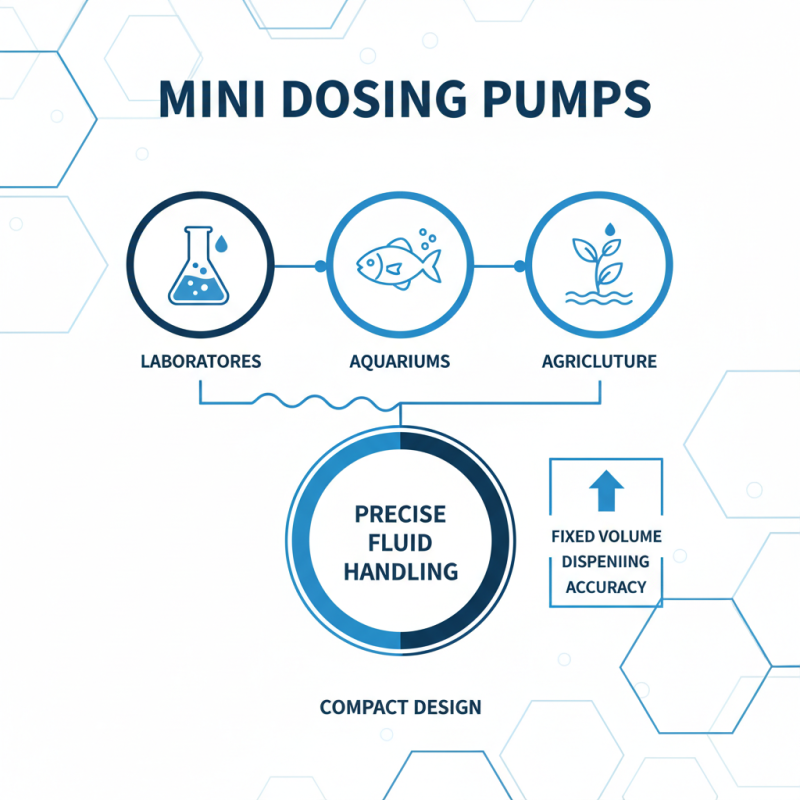
Mini dosing pumps are essential for precise fluid handling. They come in various sizes but often feature compact designs. These pumps are widely used in laboratories, aquariums, and even agricultural settings. Their ability to dispense fixed volumes ensures accuracy in measurement. This is crucial for experiments or chemical processes.
Key features include adjustable flow rates and simple controls. Some models allow programming for specific doses. This can reduce human error and enhance repeatability. However, not all mini dosing pumps are created equal. Certain models might struggle with thick or corrosive fluids. Regular maintenance is often overlooked, leading to decreased performance. Users must be mindful of these aspects.
The importance of proper calibration cannot be overstated. It ensures that the pump dispenses the correct volume every time. Neglecting this step can result in significant discrepancies. In a laboratory, this could jeopardize an entire experiment. Users should consider these factors carefully. The right pump will balance functionality, durability, and ease of use.
Types of Mini Dosing Pumps: A Comprehensive Overview
Mini dosing pumps come in various types. Each type serves different applications. For instance, diaphragm pumps are popular for their accuracy. They can handle a wide range of fluids. This makes them versatile in many settings.
Peristaltic pumps are another option. They are known for their gentle fluid handling. This is crucial for sensitive liquids. These pumps work by pushing fluid through a tube with rollers. They are often used in laboratories and food processing. However, their performance can vary based on tubing material.
Some users may find gear pumps beneficial. These pumps offer consistent flow rates. However, they can be more complex to maintain. Users must consider ease of cleaning. Also, some mini dosing pumps may not handle highly viscous fluids well. This can limit their applications and lead to frustrations.
Factors to Consider for Accurate Fluid Measurement
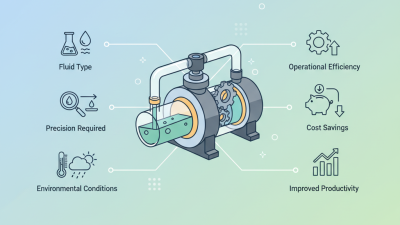
When selecting a mini dosing pump for accurate fluid measurement, several factors come into play. The pump's design must ensure precision. A well-calibrated device minimizes errors in dosing. Keep in mind the pump's flow rate. It should match your application needs. Too fast or too slow can lead to inaccuracies. Additionally, the material compatibility is crucial. Some fluids can degrade certain materials, affecting performance.
Calibration is another point of consideration. Regular checks maintain accuracy over time. A neglected pump may yield inconsistent results. Observe your measurements closely. Small discrepancies can add up, impacting your overall process. The ease of operation also matters. Complex controls may introduce user error. Look for intuitive designs that offer clear feedback.
Lastly, consider the installation and maintenance requirements. A pump that is hard to install may be left unchecked. It’s essential to choose a unit that fits well in your workspace. A compact design can be a bonus but not at the cost of functionality. Reflect on these factors to make a well-informed decision for precise fluid measurement.
Best Mini Dosing Pump for Accurate Fluid Measurement
Top Brands and Models of Mini Dosing Pumps in 2023
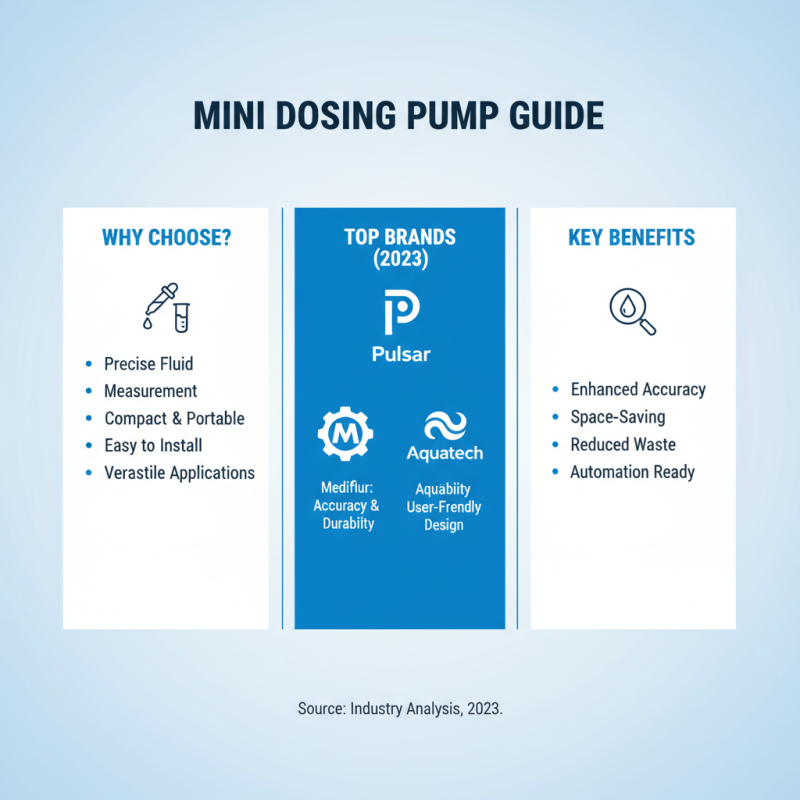
Choosing the right mini dosing pump is crucial for precise fluid measurement in various applications. In 2023, several brands stand out. These models promise accuracy, reliability, and user-friendly designs. Mini dosing pumps are compact and portable. They fit well in tight spaces and are easy to install. This versatility makes them ideal for laboratories and industrial settings alike.
When evaluating the top models, consider flow rates and calibration options. Some may offer real-time monitoring, while others prioritize simplicity. Look for features like easy maintenance and durability. Users often notice variances in performance, especially under different operating conditions. This inconsistency can be frustrating and requires careful consideration before purchasing a unit.
Ultimately, it’s important to weigh the pros and cons. Each mini dosing pump serves specific needs. Reading reviews can be enlightening, yet subjective experiences vary greatly. Balancing features with your actual requirements often leads to the best choice. Don't forget to think about how often you'll use the pump. A robust model can be a great investment for heavy users. Always keep in mind that trial and error may be part of the process.
Maintenance Tips for Maximizing Dosing Pump Accuracy
When it comes to maintaining dosing pumps, accuracy is key. Regular maintenance can greatly improve measurement precision. A clean pump ensures that fluids flow freely, preventing residues that may affect performance. Inspect seals regularly to prevent leaks, which can compromise dosing precision.
**Tip:** Use distilled water for cleaning. This prevents contaminants from affecting pump calibration.
Monitoring pump operation is essential. Listen for unusual noises, as they can indicate mechanical issues. Moreover, periodically check the pump’s calibration. Minor deviations in settings may lead to significant inaccuracies over time.
**Tip:** Keep a maintenance log. Documenting each service can help you identify patterns and predict potential problems.
Remember, every pump can wear down. Replacing worn parts promptly can save you from inaccuracies in dosing. A proactive approach to maintenance yields the best results.
Best Mini Dosing Pump for Accurate Fluid Measurement
| Pump Type |
Max Flow Rate (L/h) |
Pressure Rating (bar) |
Accuracy (% of setpoint) |
Suitable Liquids |
Maintenance Tips |
| Diaphragm Pump |
0.5 |
6 |
±1% |
Water, Chemicals |
Regularly check valves and diaphragm for wear. |
| Peristaltic Pump |
1.0 |
4 |
±2% |
Biological fluids, Slurries |
Lubricate rollers occasionally for smooth operation. |
| Gear Pump |
0.75 |
8 |
±1.5% |
Oil, Viscous Liquids |
Keep gear lubricated, check for leaks regularly. |
| Progressive Cavity Pump |
0.6 |
10 |
±2% |
Food products, Sludges |
Clean rotor and stator regularly to maintain performance. |