Best Ph Dosing Pump for Accurate Chemical Administration?
In the world of chemical administration, choosing the right pH dosing pump is crucial. Experts emphasize the importance of precision in this field. According to Dr. Alex Monroe, a renowned specialist in chemical engineering, "The accuracy of a pH dosing pump can significantly influence the outcome of any chemical process." This statement encapsulates the need for dependable dosing equipment.
pH dosing pumps are essential for various industries. From water treatment to food processing, they ensure the right chemical balance. However, selecting the best pH dosing pump can be a daunting task. There are numerous options available, each with unique features and specifications. It is vital to assess their capabilities carefully.
One challenge in this industry is the variability in performance. Some pumps may not maintain consistent accuracy over time. Users must regularly monitor and calibrate their equipment. This reality prompts reflection on the importance of ongoing evaluation. Choosing the right pH dosing pump is not just about initial selection; it requires diligence and attention to detail in maintenance and operation.

Types of pH Dosing Pumps Available in the Market
When selecting a pH dosing pump, understanding the available types is crucial. These pumps come in various designs, each suited for different needs. For instance, diaphragm pumps are popular due to their ability to handle corrosive chemicals. They work by using a flexible membrane, making them reliable for precise dosing. However, they may require regular maintenance to ensure accuracy over time.
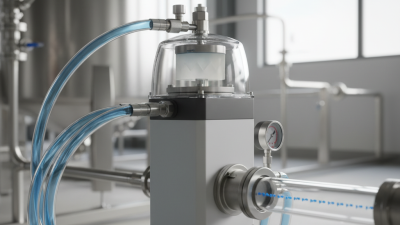
Another option is peristaltic pumps. These pumps push fluid through tubing, minimizing contamination risks. They can easily handle varying flow rates. This flexibility makes them ideal for laboratory settings. Yet, one should consider the wear on the tubing. Frequent replacements might add to operational costs.
Finally, solenoid-driven pumps offer a user-friendly option. They use an electromagnetic solenoid to operate the pump mechanism. This design allows for straightforward calibration. While they are efficient, some users report issues with consistency over time. It's essential to monitor performance regularly. Each type of pH dosing pump has distinct benefits and drawbacks, making careful consideration necessary.
Key Features to Consider for Accurate Chemical Administration
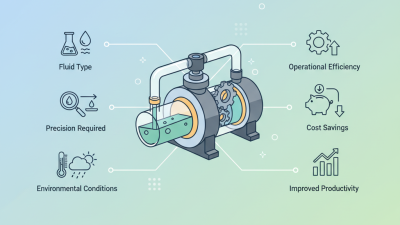
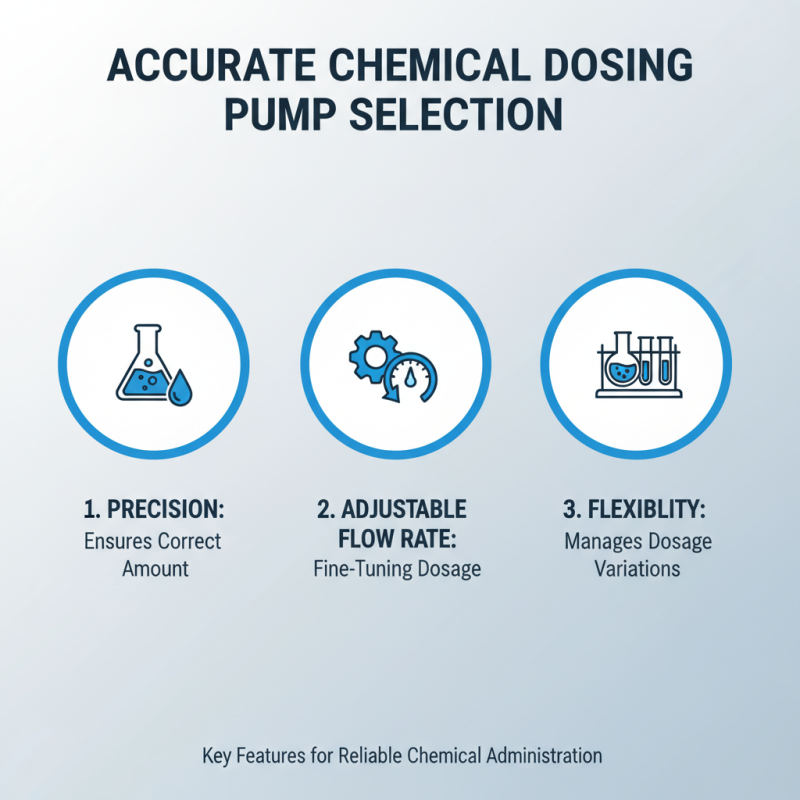
When selecting a dosing pump for accurate chemical administration, certain key features should be prioritized. Precision is vital in ensuring the correct amount of chemicals is dispensed. Look for pumps with adjustable flow rates, allowing for fine-tuning. This flexibility is essential in various applications, ensuring that slight variations in dosages can be managed effectively.
Compatibility with specific chemicals is another factor to consider. Some materials can degrade over time or react poorly. A pump designed with durable materials can mitigate potential issues, enhancing reliability. Regular maintenance is also crucial; pumps need to be cleaned and calibrated regularly. Neglecting this may lead to inaccuracies in dosing, affecting overall operations.
User-friendly controls can simplify the process of setting and monitoring the pump. Digital displays with clear readouts can reduce user errors. Yet, not all pumps incorporate intuitive interfaces, which can be frustrating. Evaluating the ease of use is as important as technical specifications. Finding the right balance between features and usability might require some trial and error. Reflecting on these aspects can lead to more informed purchasing decisions.
How to Select the Right pH Dosing Pump for Your Needs
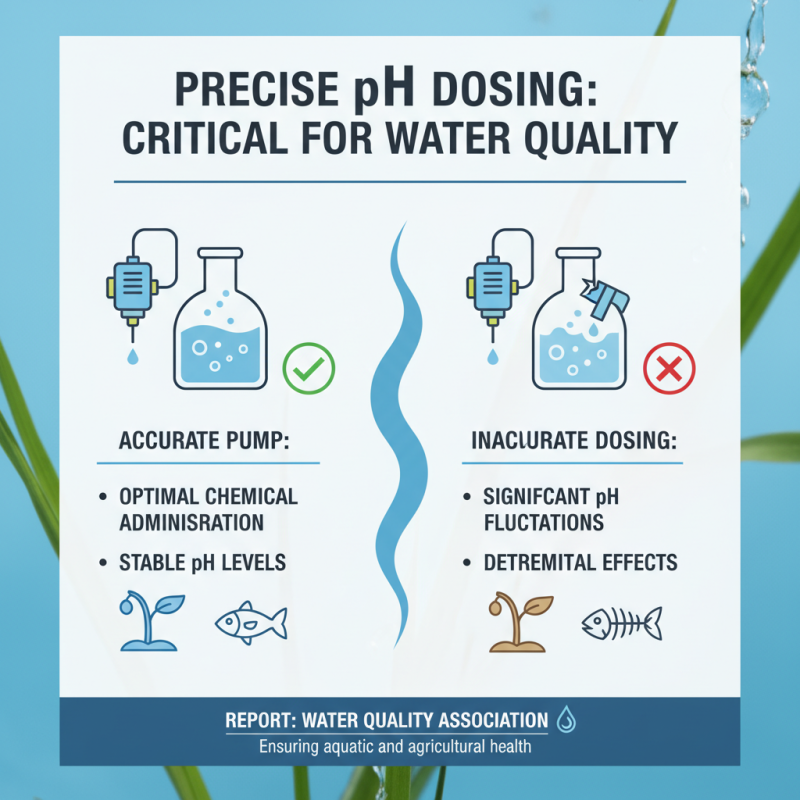
When selecting a pH dosing pump, accuracy is paramount. The right pump ensures that chemicals are administered precisely, maintaining desired pH levels in water treatment or agricultural applications. A report by the Water Quality Association states that inaccurate dosing can lead to significant fluctuations in pH levels, causing detrimental effects on aquatic life and agricultural outcomes.
Consider your specific requirements. Flow rate, pressure, and chemical compatibility are critical factors. Many pumps have a flow rate range of 0.1 to 100 liters per hour. A study in the Journal of Environmental Engineering highlights that pumps with adjustable flow rates provide greater flexibility for various applications. If a pump is too rigid in its settings, it might not meet changing demands effectively.
Installation can pose challenges as well. Improper installation might lead to leaks or miscalculations in chemical dosing. According to research from the American Society of Plumbing Engineers, nearly 25% of dosing pump failures stem from installation errors. Before choosing a pump, conduct thorough assessments, and consider professional guidance. This approach can avoid costly mistakes down the road.
Maintenance Tips for Ensuring Pump Accuracy and Longevity
When selecting a dosing pump for precise chemical administration, maintenance is key. A well-maintained pump ensures accuracy and can extend its lifespan. Regularly check for leaks. Even small leaks can lead to significant errors in dosing. Replace worn-out seals promptly to prevent further issues.
Calibration is another important factor. Pumps should be calibrated regularly to maintain dosing accuracy. Use a reliable measuring tool to verify the flow rate. If discrepancies arise, review the pump's performance. Adjustments might be necessary. Keep an eye on the environment where the pump operates. Extreme temperatures can affect the pump's efficiency.
Lastly, keep the pump clean. Build-up of chemicals can hinder performance. Schedule routine cleaning to remove any residues. It’s simple but often overlooked. Always document maintenance activities. This record will help in tracking performance over time. Make adjustments based on historical data to improve future operations. A proactive approach can make a big difference.
Best pH Dosing Pumps Performance Comparison
Comparative Analysis of Top pH Dosing Pump Brands and Models
When selecting a pH dosing pump, accuracy is crucial. Not all pumps deliver consistent results. Some models struggle with specific chemical compositions. This can lead to fluctuating pH levels. Inconsistent pH can harm aquatic life and affect system performance. Users need to be aware of these potential pitfalls.
Different brands offer various features. Some models have digital interfaces, while others rely on manual adjustments. User experience often varies widely. Certain pumps might be noisy or difficult to calibrate. Observing reviews can help identify patterns in performance. However, not all feedback is reliable.
Installation is another challenge. Some pumps are simple to set up. Others may require technical expertise. Proper maintenance is essential for long-lasting operation. Skipping routine checks can lead to significant issues. A thorough understanding of how each model operates is critical for effective use.