Best Ph Dosing Pump Solutions at 2026 Canton Fair China?
The 2026 Canton Fair promises to be a significant event for industries focused on advanced manufacturing and machinery. Among the key highlights will be the showcase of innovative Ph Dosing Pump solutions. This fair, held from April 15 to May 5, will gather top suppliers and manufacturers dedicated to cutting-edge technology.
AI-driven features will enhance the experience for buyers. The smart navigation system will help attendees locate exhibitors with relevant certifications. Buyers can swiftly find Ph Dosing Pump suppliers that meet their quality standards. However, while technology streamlines the process, it may also lead to information overload. Attendees must focus on their specific needs to avoid distractions.
The fair will feature a vast exhibition area, spanning over 1.5 million square meters. With thousands of booths, the potential for networking is immense. Yet, navigating such a large venue could be overwhelming. Clarity of purpose will be essential for buyers. Emphasizing the need for preparation, potential attendees should identify their key objectives and prioritize their visits to make the most of the event.

Overview of pH Dosing Pumps Available at the 2026 Canton Fair
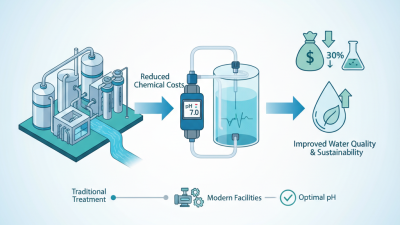
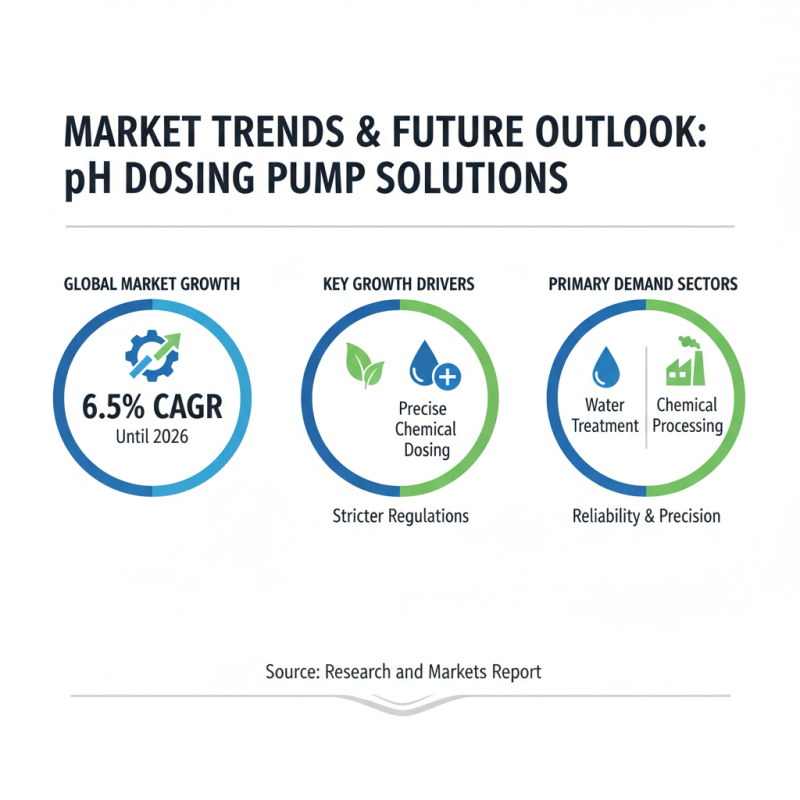
The 2026 Canton Fair is set to showcase cutting-edge pH dosing pump solutions. Various manufacturers will present their latest innovations. Industry reports predict a steady growth in the pH dosing pump market, expected to reach USD 2.5 billion by 2025. This growth is driven by increasing demand for precise chemical dosing in wastewater treatment and industrial applications.
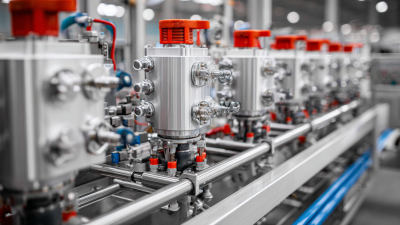
At the fair, visitors will find a range of pH dosing pumps designed for different needs. These pumps ensure accurate chemical feeding, enhancing process efficiency. Many models feature real-time monitoring that allows users to maintain optimal pH levels. Some pumps have integrated sensors, which are crucial for automated systems. However, there are gaps in the integration of technology with traditional methods.
While the advancements are promising, challenges remain. Many pH dosing pumps are not user-friendly, affecting operator efficiency. Proper training is often lacking, leading to operational issues. It’s essential for manufacturers to prioritize usability in their designs, as the market continues to evolve. Continuous feedback from users can help identify improvements that enhance both performance and user experience.
Key Features to Consider When Choosing a pH Dosing Pump
When selecting a pH dosing pump, certain features can significantly impact its performance. Accuracy is crucial. A pump with a precision of ±1% can minimize fluctuations in pH levels. This precision helps maintain optimal conditions in water treatment or chemical processes. Also, the flow rate should align with your specific application. Research indicates that a flow rate of 5-100 liters per hour caters to most industrial needs.
Material compatibility is another critical factor. The pump must handle corrosive substances without degrading over time. High-quality materials like PVDF or ceramic are often recommended. Reliability also matters. Data shows that pumps with fewer moving parts tend to achieve a longer lifespan and less downtime. Regular maintenance intervals should be clearly defined, as neglect can lead to costly failures.
Consider the pump's energy consumption, too. A model that operates efficiently can reduce operational costs significantly. Innovative designs often incorporate energy-saving technologies. However, it's important to weigh initial costs against long-term savings. Some lower-cost options might lead to higher energy bills in the future. Choosing a pH dosing pump is not just about finding the cheapest option; it requires careful consideration of these features for optimal performance.
Top Manufacturers Showcasing pH Dosing Pump Solutions in 2026
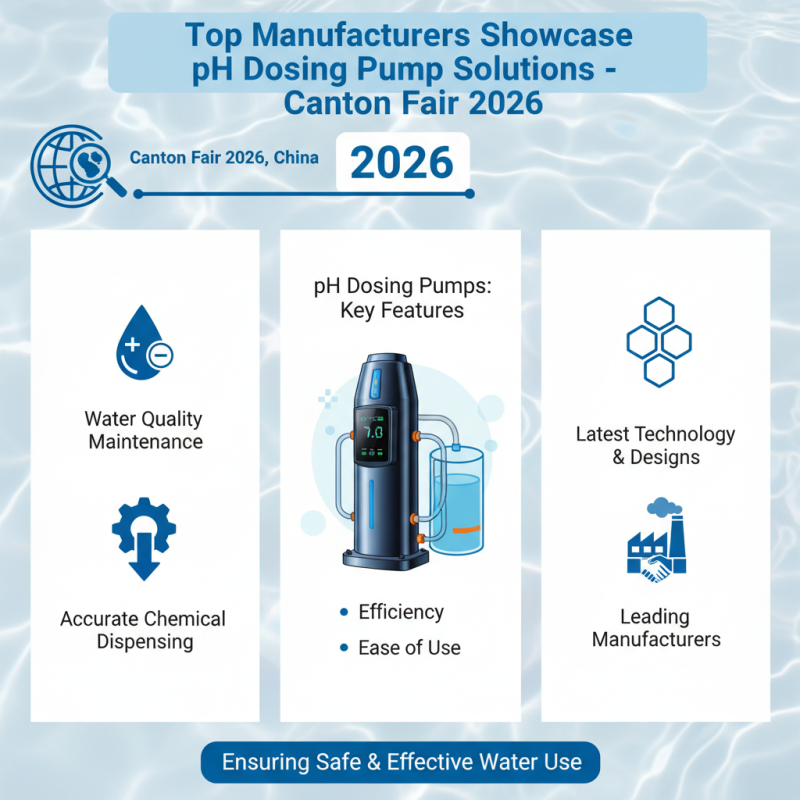
The 2026 Canton Fair in China is an exciting platform for innovators in water treatment. Among the featured products, pH dosing pumps stand out. These devices play a crucial role in maintaining water quality. They accurately dispense chemicals to adjust pH levels, ensuring safe and effective water use. Various manufacturers will showcase their latest technology and designs, emphasizing efficiency and ease of use.
Visitors can explore diverse pH dosing pump solutions. Some pumps focus on precision, while others are designed for robust environments. Each design has its merits. It's important for manufacturers to receive feedback. Some might lack user-friendly interfaces. Others may offer limited customization options. Engaging with the technology directly can help attendees identify what suits their needs best.
The event encourages discussions about future designs. Observing different models can spark ideas for enhancements. The ongoing evolution of pH dosing pumps needs careful consideration and critique. Striving for innovation is essential, but so is understanding practical applications. This balance will ensure that the industry meets growing environmental standards. The Canton Fair offers an opportunity for growth and reflection, impacting the future of water quality management.
Innovative Technologies in pH Dosing Pumps at the Canton Fair
The 2026 Canton Fair in China is set to showcase cutting-edge technologies in pH dosing pumps. These innovations promise enhanced precision and efficiency. Attendees can expect smart dosing systems that integrate with IoT. This technology helps monitor pH levels in real-time, reducing the need for manual adjustments.
Tips for exploring the fair:
- Keep an eye out for interactive displays.
- Engage with manufacturers to understand their technologies better.
- Some solutions may seem overly complex; don't hesitate to ask questions.
- You can find simpler innovations that might suit your needs.
Emerging trends include eco-friendly materials. Manufacturers are beginning to use sustainable components in their products. However, evaluating the longevity of these materials is crucial. Not all green solutions perform well under pressure. Consider both the environmental impact and the pump’s effectiveness in your decision-making process.