China Best Automatic Dosing System for Global Buyers?
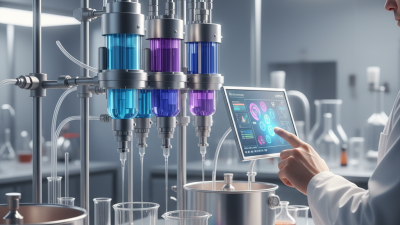
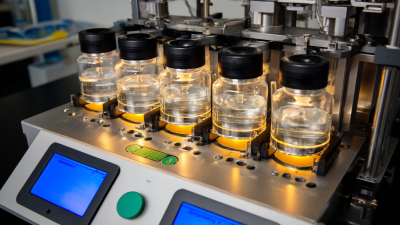
In the rapidly evolving industrial landscape, an effective Automatic Dosing System stands out as a crucial component for efficiency. Designed to enhance precision and reduce waste, these systems play a vital role in various sectors, including pharmaceuticals and food processing. Leveraging advanced technology, they provide reliable solutions to complex dosing challenges.
China has emerged as a leading manufacturer and supplier of Automatic Dosing Systems. The combination of innovative engineering and competitive pricing attracts global buyers. However, potential users must consider specific factors before purchasing an automated system. Quality assurance and after-sales support are critical aspects. Investigating the provider’s reputation is essential for long-term reliability.
While Chinese manufacturers often lead in technology, not all products may meet strict international standards. Therefore, buyers should carry out thorough research and testing. This ensures that the selected Automatic Dosing System aligns with their operational needs and compliance requirements. Thoughtful consideration will maximize investment benefits and streamline production processes.
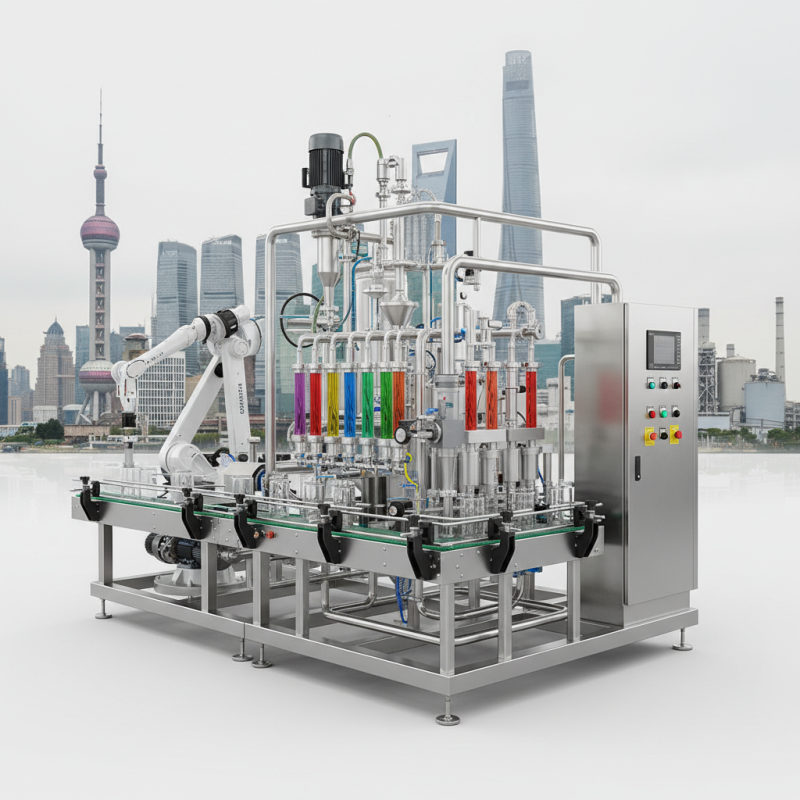
Overview of Automatic Dosing Systems in China
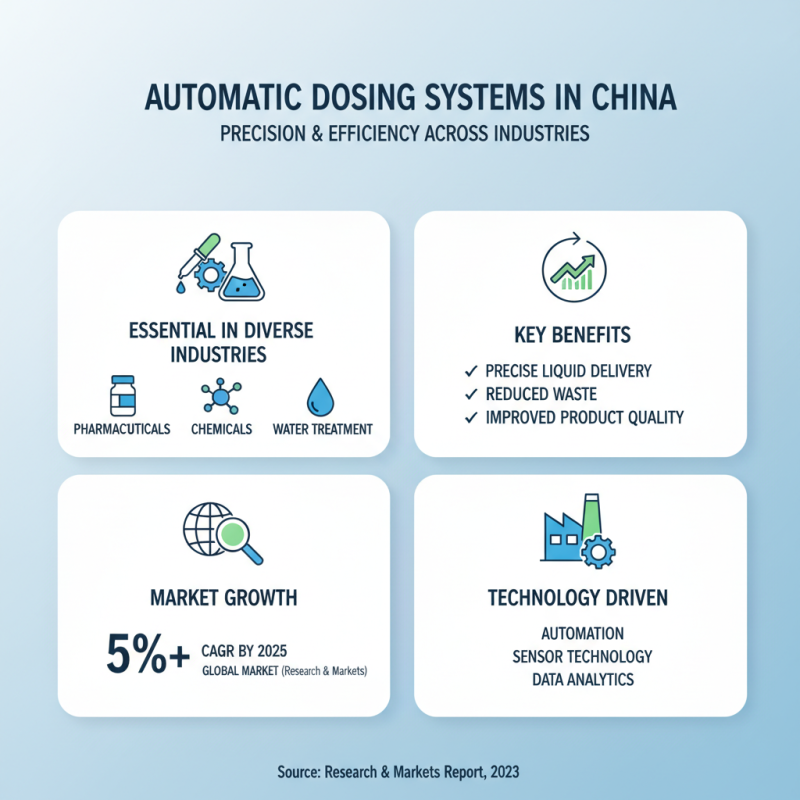
Automatic dosing systems have become essential in various industries in China, including pharmaceuticals, chemicals, and water treatment. These systems ensure precise delivery of liquids, reducing waste and enhancing product quality. According to a report by Research and Markets, the global automatic dosing system market is expected to grow significantly, achieving a CAGR of over 5% by 2025.
In China, advancements in technology have led to increased efficiency and reliability in dosing processes. Many automated systems now feature real-time monitoring and integration with manufacturing processes. This allows for better control over production variables. The integration of IoT and AI has also contributed to this growth, enabling systems to predict maintenance needs and reduce downtime.
Tips: Consider the complexity of your requirements. Not all automatic dosing systems are created equal. Assess scalability based on your current and future needs. Regular maintenance is crucial to ensure optimal performance. Small issues, if ignored, can lead to larger failures.
The growing demand for environmental sustainability also drives innovation in dosing technologies. Accurate dosing reduces chemical usage in processes and minimizes environmental impact. However, companies must invest time in training staff to use these systems effectively. Misunderstanding system functions can lead to improper dosing and inconsistent product quality.
Key Features of China's Leading Dosing Systems
China has emerged as a leader in the automatic dosing system market, catering to a wide range of industries. These systems are crucial for precise chemical dosing in sectors such as water treatment, pharmaceuticals, and food processing. According to a report from Allied Market Research, the global dosing system market is projected to reach $5.7 billion by 2027, driven by increasing demand for automation and efficiency.
Key features of China’s leading dosing systems include advanced control algorithms, user-friendly interfaces, and high-precision metering capabilities. Many systems utilize real-time data analytics for enhancing dosing accuracy. Enhanced safety measures, like automatic shut-off mechanisms, are also standard. Notably, the recent wave of technological advancements has led to more compact designs, saving valuable space in production facilities.
Tip: When choosing a dosing system, consider regulatory compliance. Ensure that the system meets industry standards to avoid potential liabilities.
Another crucial aspect is the integration capability with existing systems. Some customers have faced challenges due to incompatibility issues. Continuous feedback from users highlights the necessity for manufacturers to focus on seamless compatibility. Engaging with professionals can reveal insights into the latest technological trends.
China's Leading Automatic Dosing Systems - Key Features Comparison
Advantages of Using Automatic Dosing Systems for Buyers
Automatic dosing systems offer numerous advantages for global buyers, especially in industries requiring precise chemical handling. According to a recent report by MarketsandMarkets, the market for automatic dosing systems is expected to grow at a CAGR of 7% from 2021 to 2026. This growth reflects the increasing need for accuracy in chemical dosing across various sectors.
For users, the main benefit lies in enhancing operational efficiency. Automatic systems minimize human error, which can lead to costly mistakes. Over 50% of survey respondents noted that automation reduced discrepancies in their dosing processes. Furthermore, these systems allow for consistent product quality, which is crucial in sectors like pharmaceuticals and food processing.
Investing in automatic dosing systems can also result in substantial cost savings. A case study from a water treatment plant revealed that using automated technology reduced chemical consumption by 15%. While initial costs might be a concern, the long-term benefits often outweigh the expenses. However, companies must carefully consider the integration process. Some users reported challenges during implementation, leading to temporary operational disruptions.
Market Trends and Demand for Dosing Systems Globally
The global demand for automatic dosing systems is on the rise. Industries such as
pharmaceuticals,
chemicals, and
food processing require precise dosing for efficiency.
This growing trend emphasizes accuracy in measurement, ensuring product consistency and safety.
As businesses aim to optimize processes, automated systems are becoming essential for operational excellence.
Market research indicates a shift toward smart dosing solutions.
These systems enhance productivity through real-time monitoring and adjustments.
However, there are challenges. Many manufacturers face issues with integration into existing setups. Users often express concerns
about reliability and maintenance.
Feedback emphasizes the need for robust systems that require minimal human intervention,
yet still demand occasional manual oversight.
In this evolving landscape, companies must stay proactive. Keeping up with technological advancements
and customer needs is vital. While innovation is key, user education on system functionality
remains critical. As organizations adapt, ongoing training can help maximize the benefits of these systems, leading to
greater satisfaction and improved outcomes in dosing operations.
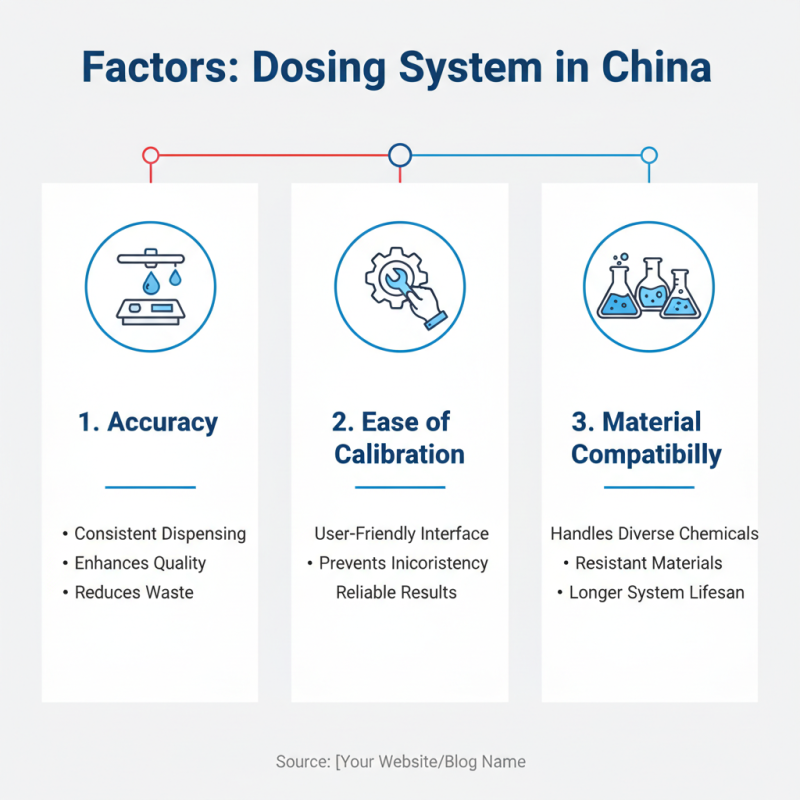
Factors to Consider When Choosing a Dosing System in China
When selecting an automatic dosing system in China, several factors warrant thorough consideration. The first aspect is accuracy. Systems should dispense the right amount of material consistently. This precision enhances product quality and reduces waste. Furthermore, it’s vital to evaluate the ease of calibration. Complex systems might frustrate users, leading to inconsistent results over time.
Another crucial factor is the technology used in the dosing system. Advanced systems provide better integration with existing operations. They may include features such as data logging and remote monitoring. However, it’s important to realize that more advanced technology can also mean higher costs. Potential buyers should weigh the benefits against these expenses.
Maintenance requirements can’t be overlooked. Systems that are easier to maintain save time and money in the long run. Regular upkeep can prevent unexpected downtime. Lastly, consider the supplier's reputation. Reliable vendors should provide ample support and training. It’s always wise to seek feedback from other users. Their experiences offer valuable insights and highlight potential pitfalls.