How to Choose the Best Membrane Air Diffuser for Your Needs?
Choosing the right Membrane Air Diffuser for your needs can be daunting. Experts recommend looking for specific features tailored to your application. Dr. Emily Carrington, a leading figure in the aeration industry, stated, "The right diffuser can significantly optimize your system's performance."
When selecting a Membrane Air Diffuser, consider factors like installation, maintenance, and efficiency. Look for materials that ensure durability and compatibility with your setup. You might also wonder about different designs available in the market. Focus on those that deliver fine bubbles for better oxygen transfer.
However, it’s crucial to note that not every diffuser works for every situation. Some may underperform, leaving you frustrated. Reflect on your specific requirements and compare various models. Choosing a Membrane Air Diffuser requires patience and careful consideration. This choice will impact your operational costs and overall efficiency.
Understanding Membrane Air Diffusers and Their Functionality
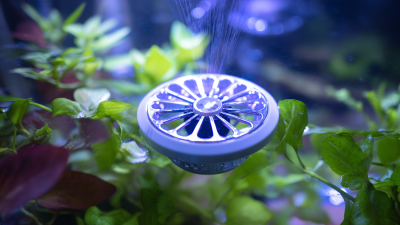
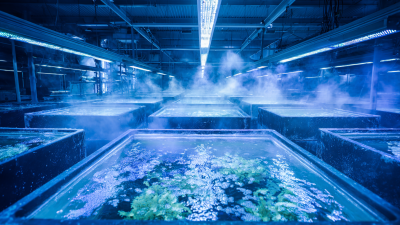
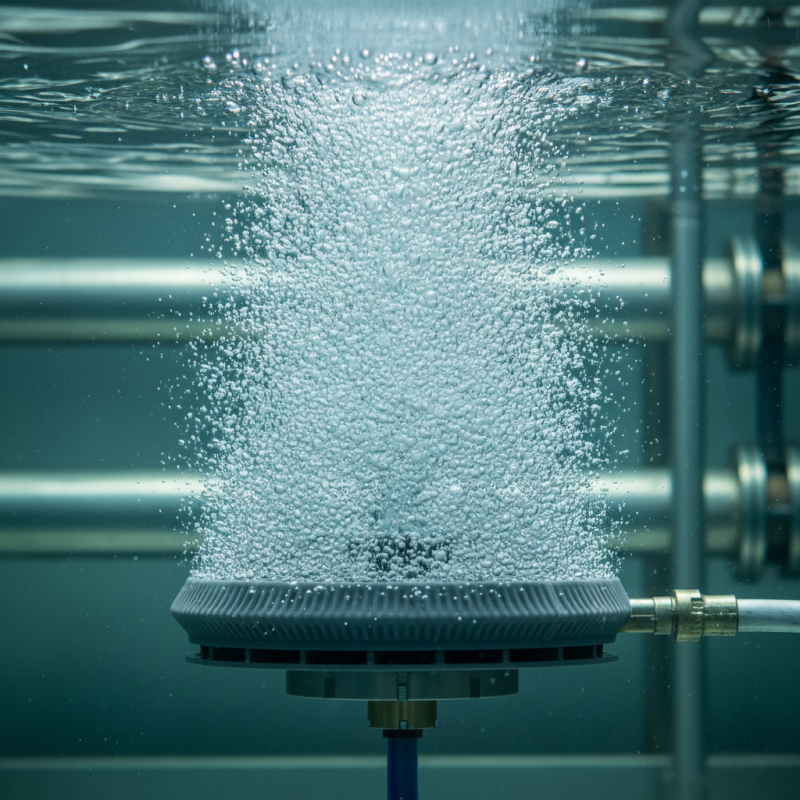
Membrane air diffusers play a crucial role in various applications, including aquaculture and wastewater treatment. They function by releasing air into water through tiny pores in a flexible membrane. This process promotes aeration, helping to maintain optimal levels of dissolved oxygen. Understanding their operation is vital for selecting the right diffuser for specific needs.
When choosing a membrane air diffuser, consider the design. Some models have finer pores, creating smaller bubbles for increased oxygen transfer efficiency. Others may produce larger bubbles, which provide different benefits. Each design has its strengths and weaknesses. For instance, finer bubbles are effective but may require higher air pressure. This could lead to increased energy costs. Reflect on the environment in which you will use the diffuser.
The material also impacts durability and performance. Some membranes degrade faster in harsh conditions, while others last longer but are more expensive. Reflect on the long-term maintenance needs and costs associated with different materials. Do not rush the selection process. Take time to assess your specific requirements, as an ill-suited diffuser could lead to wasted resources and poor outcomes.
How to Choose the Best Membrane Air Diffuser for Your Needs?
| Type |
Airflow Rate (m³/h) |
Diameter (cm) |
Material |
Lifespan (Years) |
Applications |
| Fine Bubble Diffuser |
10 - 15 |
25 |
EPDM |
5 - 8 |
Municipal WWTPs, Aquaculture |
| Coarse Bubble Diffuser |
20 - 30 |
30 |
PVC |
3 - 5 |
Lagoon Aeration, Industrial Applications |
| Ultrafine Bubble Diffuser |
5 - 10 |
20 |
Silicone |
10 |
Water Treatment, Fish Farming |
| Disc Diffuser |
15 - 20 |
30 |
Rubber |
5 - 10 |
Activated Sludge Process, Wastewater Systems |
Factors to Consider When Selecting a Membrane Air Diffuser
When selecting a membrane air diffuser, several factors should be considered to meet your specific needs. The type of application is crucial. Are you using it in aquaculture, wastewater treatment, or other processes? Each use case has distinct requirements. Pay attention to the diffuser's design as well. Some models provide fine bubbles, while others generate coarse bubbles. The efficiency level you seek may hinge on these distinctions.
Installation also matters. Some diffusers are simple to set up, while others may require expert assistance. Budget constraints can affect your choice too. Often, higher quality comes with a higher price. However, cheaper models may not deliver the desired performance. Checking for maintenance needs is essential. Easy-to-clean options can save time and money in the long run.
The material of the diffuser should not be overlooked. Durable materials enhance longevity, but they often come with a trade-off in cost. It’s vital to reflect on these aspects carefully. User reviews can provide valuable insights, but don’t rely solely on them. Each situation varies, and personal experience plays a significant role. Carefully evaluating your choices can lead to better, more sustainable outcomes.
Comparing Different Types of Membrane Air Diffusers
When selecting a membrane air diffuser, understanding the types available is crucial. There are several main types, including disc, tube, and plate diffusers. Each type has unique features and is suited for different applications. Disc diffusers provide a finer bubble size, enhancing oxygen transfer efficiency. Tube diffusers generally come in longer lengths, making them ideal for large tanks. Plate diffusers, on the other hand, are compact and easy to install.
Tips: Consider your tank's size and shape when choosing a diffuser. A poorly matched diffuser can lead to uneven aeration.
Also, take into account the operating depth. Some diffusers perform better at certain depths. Testing a few options may be beneficial. Keep in mind that maintenance is key. Clogging can reduce performance over time, so regular cleaning is necessary.
Choosing the right air diffuser isn't always straightforward. It's essential to assess your specific needs and the environment. Don't rush the decision; a mismatched diffuser can lead to inefficiencies and high operating costs. Reflecting on your options can lead to a more informed choice.
Evaluating Performance Metrics for Membrane Air Diffusers
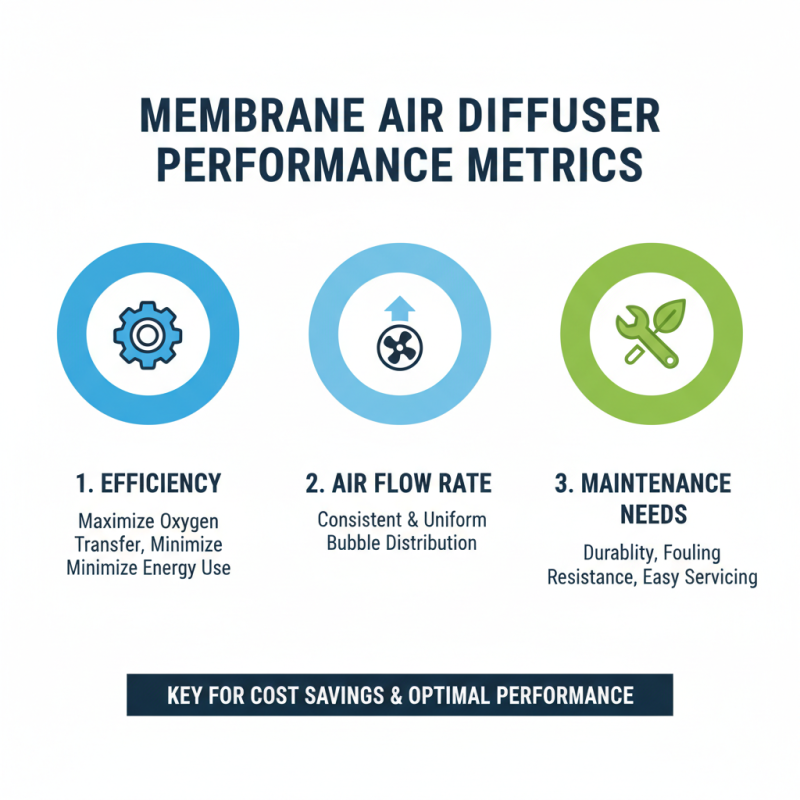
When evaluating performance metrics for membrane air diffusers, consider key factors like efficiency, air flow rate, and maintenance needs. Efficiency is crucial. A diffuser that wastes air can lead to increased costs and poor performance. Look for options that maximize oxygen transfer while minimizing energy use.
Air flow rate matters too. Choose a diffuser that meets your specific requirements. Higher flow rates are often necessary for larger applications. In contrast, smaller setups may need less. It’s important to align air flow with your system’s demands.
Tips: Always factor in maintenance when selecting a diffuser. Some models require frequent cleaning or part replacements. This can affect your operational budget. Also, ensure that the diffuser fits well within your space. A poor fit can hinder its performance. Reflect on your setup and make adjustments where necessary. Understanding your needs will lead to a more effective choice.
Maintenance and Lifespan Considerations for Membrane Air Diffusers
When selecting a membrane air diffuser, maintenance is crucial. Regular checks help ensure optimal performance. Over time, diffusers can accumulate debris. This buildup can affect airflow and efficiency. Inspect the diffuser every few months to prevent this issue. Clean the membrane gently with a suitable solution. Avoid harsh chemicals that can cause damage.
Lifespan varies depending on usage and maintenance practices. Some diffusers last several years, while others may need replacement sooner. Factors such as water quality and operational hours play a role. If you notice reduced performance, it might be time for replacement. Keep in mind that cost-effective options often require more frequent attention. Thoughtful planning can maximize your investment while ensuring efficient operation. Regular evaluation is key to achieving desired outcomes.