Why Choose a Micro Dosing Pump for Your Business Needs?
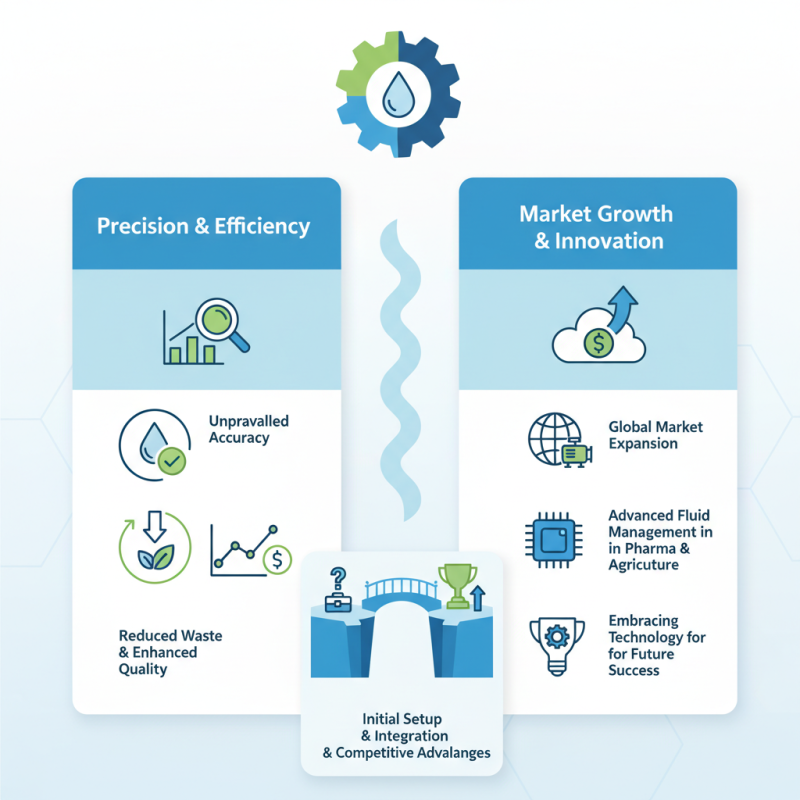
In today's fast-paced business landscape, selecting the right equipment is critical. A Micro Dosing Pump stands out in delivering precision and efficiency. According to a report by MarketsandMarkets, the global micro dosing pump market is projected to reach USD 2.88 billion by 2027. This growth highlights the increasing reliance on advanced fluid management systems across various industries, including pharmaceuticals and agriculture.
Micro Dosing Pumps offer unparalleled accuracy, allowing businesses to optimize resource use. The ability to dispense small amounts of fluids reduces waste and enhances output quality. Many companies report significant reductions in operational costs, aligning with sustainability goals. However, some businesses struggle with initial setup and integration. This challenge can lead to hesitation in adopting innovative solutions.
Embracing this technology may require investment and training. Yet, the long-term benefits often outweigh initial difficulties. As the market evolves, businesses that do not consider Micro Dosing Pumps risk falling behind. The choice to innovate can define success in an increasingly competitive environment.
Understanding Micro Dosing Pumps and Their Functionality
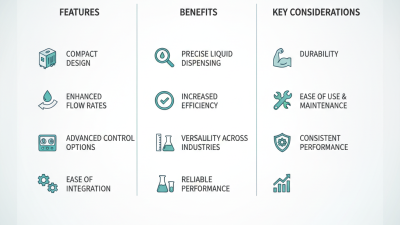
Micro dosing pumps are essential tools for precise liquid dispensing in various industries. These pumps excel in applications that require accuracy and consistency. Their design allows for accurate measurements, benefiting chemical processing, pharmaceuticals, and food production sectors. According to a report by Research and Markets, the global micro dosing pump market is projected to grow at a compound annual growth rate (CAGR) of over 5% from 2021 to 2026. This reflects a rising demand for automation and accuracy in liquid handling.
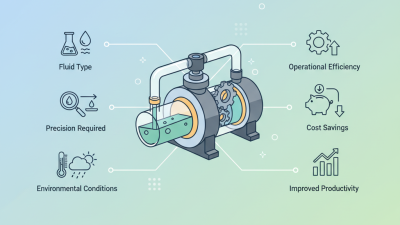
Understanding the functionality of micro dosing pumps is crucial for optimizing operations. They utilize a mechanism that allows controlled doses within microliter ranges. This precision reduces waste, improves efficiency, and enhances product quality. The ability to deliver small volumes with great accuracy can significantly impact production costs, traditionally leading to savings of up to 20% in chemical use. However, selecting the right pump can be challenging, as specific applications may require different technologies.
Despite their advantages, users must consider potential drawbacks. Calibration and maintenance are essential to ensure accuracy over time. An improperly calibrated pump can undermine the benefits it offers. Additionally, factors like viscosity and temperature can affect performance. Businesses must invest in training and routine checks to mitigate any possible inefficiencies. Addressing these challenges helps ensure that the advantages of micro dosing pumps are fully realized, leading to improved operational outcomes.
Micro Dosing Pump Performance Comparison
This chart displays the flow rates of different micro dosing pumps. The comparison helps in understanding the performance of each pump, assisting businesses in choosing the right pump for their dosing needs.
Benefits of Using Micro Dosing Pumps in Various Industries
Micro dosing pumps have gained traction across various industries due to their precise and reliable fluid handling capabilities. These pumps deliver small volumes of liquid accurately, ensuring optimal usage of materials. In the pharmaceutical industry, for instance, exact dosing is crucial for drug formulation. An error in volume can compromise product safety and effectiveness. Micro dosing pumps help maintain consistency, reducing the risk of human error and ensuring compliance with strict regulations.
In food processing, micro dosing pumps allow for the accurate addition of preservatives or flavors. This precision not only enhances the product quality but also minimizes waste. Each drop counts in a competitive market, where consumers demand high-quality ingredients. Moreover, these pumps are beneficial in chemical manufacturing, where specific reactions require exact reagents. Improper dosing can lead to subpar products or hazardous situations.
Despite the many advantages, not all businesses understand their potential. Some may hesitate due to the initial investment costs. Others might question long-term reliability. It’s essential for businesses to research and consider the return on investment. Exploring case studies can provide valuable insights. Understanding the technology’s limitations and benefits can inform better decision-making.
Cost-Effectiveness of Micro Dosing Pumps for Business Operations
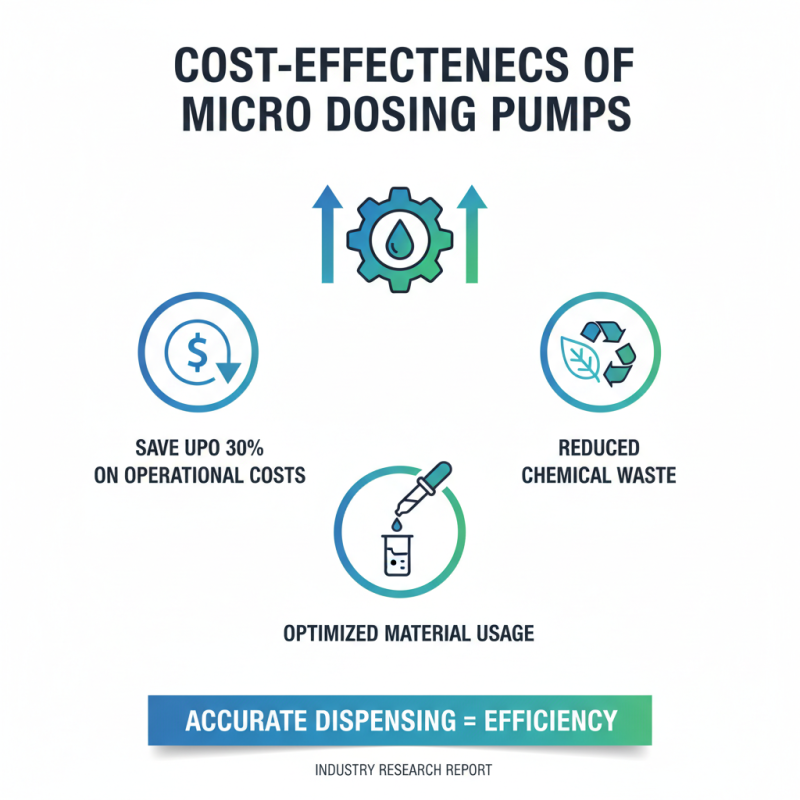
Micro dosing pumps are gaining traction in various industries due to their cost-effectiveness. According to a report by Industry Research, businesses that implement micro dosing technology can save up to 30% on operational costs. These savings stem from reduced chemical waste and optimized material usage. Many companies are looking at how to enhance their efficiency. Micro dosing pumps provide accurate dispensing, ensuring that every drop counts.
Moreover, these pumps require minimal maintenance, contributing to long-term savings. Regular maintenance checks can be time-consuming. However, micro dosing pumps are designed for durability. Their reliability minimizes downtime, keeping production lines moving smoothly. A study by MarketsandMarkets highlights that applying micro dosing pumps in manufacturing improves production efficiency by 25%. This improvement can significantly impact the bottom line.
Yet, businesses should consider the initial investment. While the long-term savings are clear, the upfront costs can deter some. It’s crucial to weigh these factors against your specific needs. Adopting a micro dosing system may require training staff, which adds another layer of cost. Analyzing these aspects ensures informed decision-making about operational investments.
Key Factors to Consider When Choosing a Micro Dosing Pump
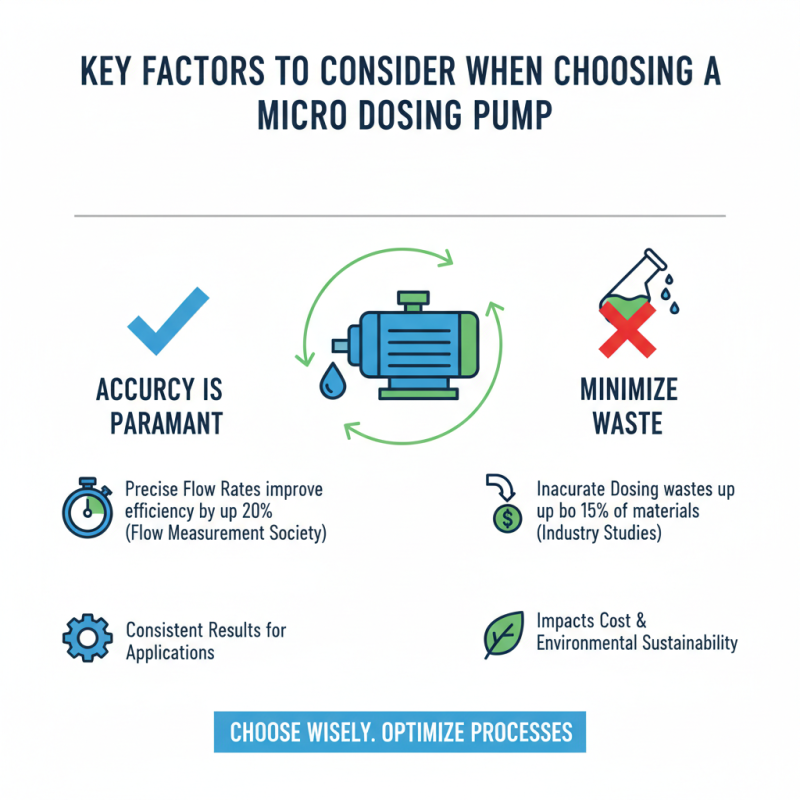
When selecting a micro dosing pump, accuracy is paramount. A report by the Flow Measurement Society states that pumps with precise flow rates can improve efficiency by up to 20%. Businesses need consistent results for their applications. Variability in dosing can lead to significant wastage. According to recent industry studies, inaccurate dosing can waste up to 15% of materials, impacting both cost and environmental sustainability.
The material compatibility of the pump is another critical factor. Different industries require specific materials to resist corrosion or abrasion. Pumps made from appropriate materials can extend their lifespan. Research from the International Society for Fluid Control indicates that using the wrong materials can shorten pump life by up to 50%. This not only incurs higher replacement costs but also affects operations.
Moreover, consider the ease of maintenance. A complex pump may require specialized training or tools for upkeep. A study from the Journal of Pump Technology shows that maintenance issues account for nearly 30% of pump failures. While innovative designs often boast advanced features, they can complicate routine maintenance. Regular upkeep is crucial for reliability. Balancing innovation with user-friendly designs can mitigate potential issues in the long run.
Future Trends in Micro Dosing Pump Technology and Applications
Micro dosing pumps are evolving rapidly to meet diverse industrial needs. These pumps allow precise control over fluid dispensing, optimizing production processes. As industries shift towards automation, the focus is on integrating smart technology. This includes IoT capabilities that enable real-time monitoring and data analysis. Such advancements enhance operational efficiency and reduce waste.
Sustainability is another trend influencing micro dosing pump technology. Companies are increasingly mindful of their environmental footprint. Innovations are leading to pumps that consume less energy while maintaining performance. Companies are experimenting with materials to make pumps more durable and recyclable. However, not all solutions are perfect. The transition to new technologies may be challenging for some businesses.
In sectors like pharmaceuticals and food processing, regulatory compliance remains crucial. Businesses must ensure their dosing systems adhere to strict standards. This could involve rigorous testing and validation of new technologies. As micro dosing pumps become more sophisticated, staying informed and adaptable is key. Embracing change will not always come easy, but the potential benefits are significant.
Why Choose a Micro Dosing Pump for Your Business Needs?
| Application Area |
Flow Rate (ml/min) |
Accuracy (%) |
Medium Used |
Material Compatibility |
| Food Industry |
5-100 |
±1 |
Sauces, Oils |
Stainless Steel, PTFE |
| Chemical Processing |
1-50 |
±0.5 |
Acids, Bases |
PVC, Viton |
| Pharmaceuticals |
0.5-5 |
±0.1 |
Sterile Solutions |
Glass, Teflon |
| Water Treatment |
10-150 |
±2 |
Chlorine, Coagulants |
PP, HDPE |
| Agriculture |
20-200 |
±1.5 |
Fertilizers, Pesticides |
Rubber, Nylon |