How to Choose the Best Dewatering Press Machine for Your Needs?
Choosing the right dewatering press machine is critical for efficient operations. This decision impacts productivity and cost-effectiveness. Many factors influence the selection process. Understanding your specific needs is essential. The machine's capacity, technology, and maintenance requirements are key considerations.
Dewatering press machines vary widely in design and functionality. Some are suitable for different materials. For example, municipal sludge dewatering needs a different approach than agricultural waste. Knowing these distinctions is crucial for making an informed choice. Evaluating the machine’s durability and reliability can prevent costly downtime.
It’s important to seek expert advice and conduct thorough research. Not every machine will fit every situation. Reflecting on past experiences can provide insights. Aim for a balance between performance and price. Making a hasty decision may lead to regret later.
Understanding Dewatering Press Machines and Their Applications
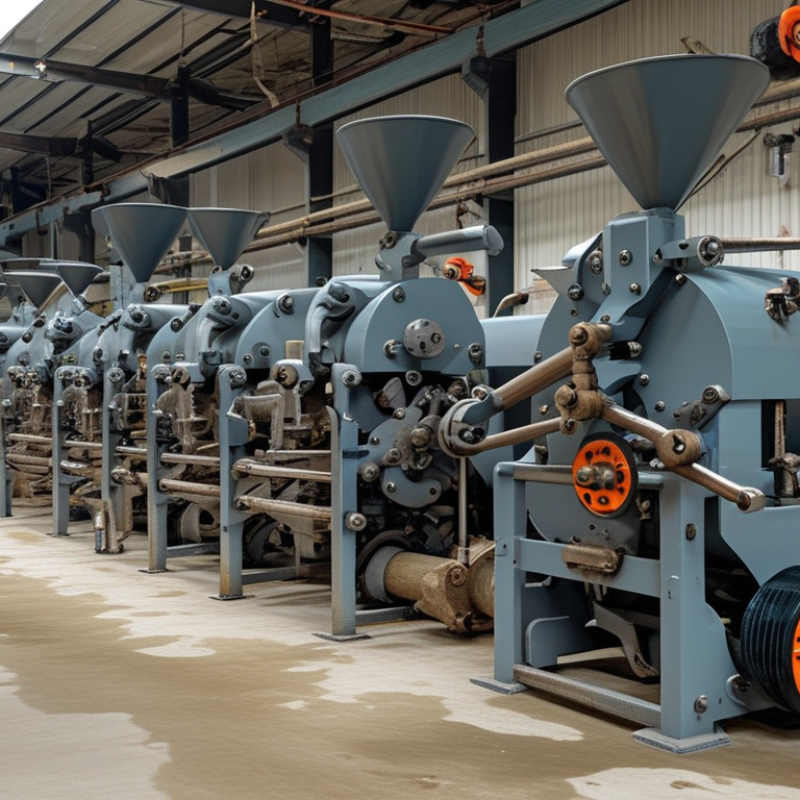
Dewatering press machines are vital for various industries, including food processing, wastewater treatment, and mining. They efficiently remove excess water from materials, enhancing storage and transportation. Understanding these machines helps you choose the right one.
The design and capacity of dewatering press machines vary widely. Some models target specific applications, while others are more versatile. Assess your processing needs, including the type of material and the volume of water to be removed. This evaluation is crucial. Selecting the wrong machine can lead to inefficiencies and increased operational costs.
Tips: Always consider the energy consumption of different machines. A highly efficient model can save costs long-term. Additionally, seek machines with easy maintenance features. Simple maintenance practices help ensure a machine's longevity and consistent performance. Balancing initial costs with operational efficiency is a significant aspect to weigh.
Key Factors to Consider When Selecting a Dewatering Press Machine
When selecting a dewatering press machine, several key factors come into play. First, consider the material you need to process. Different machines handle various types of sludge, wastewater, or solid materials. Each material requires different pressure and filtration capabilities. A research report indicates that optimizing these settings can increase efficiency by up to 30%. This is critical for maximizing your output.
Another factor is the machine's capacity. Evaluate the volume of material your operations typically generate. Machines vary significantly in throughput capabilities. A high-capacity machine may be beneficial, but it can be costly if your needs don’t match. Additionally, energy consumption should not be overlooked; some machines can cut energy use by 25% compared to older models.
Tips: Always check the ease of maintenance. Some machines require frequent cleaning and parts replacement. Regular maintenance can prevent unnecessary downtime. Ensure that the machine you choose has a straightforward maintenance plan. Also, consider whether the manufacturer offers reliable support to address any operational issues. Choosing the right machine involves careful evaluation of multiple factors to ensure alignment with your specific needs.
Types of Dewatering Press Machines and Their Unique Features
When selecting a dewatering press machine, understanding the various types is crucial.
Screw presses are commonly used in industries like food processing and wastewater treatment. They excel at separating liquids from solids. According to a recent industry report, screw presses can achieve moisture content reductions of up to 30%. This efficiency makes them a popular choice.
Belt filter presses are another option worth considering. They are versatile and handle large volumes of materials. These machines use two porous belts to squeeze out moisture. Research shows that belt filter presses can provide a consistent dewatering rate, reducing operational downtime. However, they may require more maintenance and careful monitoring.
Another unique feature in the market is the chamber filter press. This type offers higher pressure dewatering, suitable for applications requiring higher solid dryness. Industry experts indicate that chamber filter presses can achieve up to 90% solids removal. Despite their effectiveness, they are typically more complex, which may lead to increased operational costs.
Balancing performance and complexity is key when choosing the right machine for your needs.
Evaluating the Performance Metrics of Dewatering Press Machines
When choosing a dewatering press machine, evaluating performance metrics is crucial. Look for machines that offer high efficiency in moisture removal. The pressing force is an essential factor; it determines how dry the final product will be. A machine with adjustable pressure can cater to different material types, enhancing versatility.
Consider the machine’s capacity and throughput. A model that fits your operational scale is vital. Excess capacity may lead to higher costs without added benefits. Pay attention to energy consumption metrics as well. Machines that use less power while maintaining performance can significantly reduce operating costs over time.
Tips: Check user reviews to understand reliability and ease of maintenance. Machines with simpler designs often lead to lower downtime. Regular performance audits can help identify areas needing improvement. Always keep an eye on the manufacturer's support; good after-sales service can significantly impact your operational success.
Performance Metrics of Dewatering Press Machines
Budgeting and Cost-effectiveness in Purchasing Dewatering Press Machines
When budgeting for a dewatering press machine, understanding the total cost is crucial. The initial purchase price may not reflect the long-term expenses. Consider maintenance, energy use, and downtime costs. These factors can quickly add up, impacting your overall budget.
Tips: Research machine specifications. Look for energy-efficient models that save on operational costs over time. These machines often have higher upfront costs but lead to savings.
Evaluating a machine's return on investment is vital. Analyze how much time and resources a dewatering press can save your operation. Even small efficiencies can lead to impressive savings.
Tips: Request quotations from multiple suppliers. This not only helps in budget estimations but may uncover hidden costs. Transparency is key in making an informed decision.
How to Choose the Best Dewatering Press Machine for Your Needs? - Budgeting and Cost-effectiveness in Purchasing Dewatering Press Machines
| Aspect |
Details |
Cost Range ($) |
Efficiency Rating |
| Capacity |
500 liters/hour |
5,000 - 7,000 |
A |
| Energy Consumption |
2 kWh per cycle |
3,000 - 4,000 |
B |
| Material Type |
Metal and Plastic |
4,000 - 6,000 |
A+ |
| Maintenance Cost |
Regular check-ups |
500 - 1,000 |
C |
| Warranty Period |
2 years |
Included |
N/A |