2026 How to Choose Micro Pore Air Diffusers for Home Use?
Micro Pore Air Diffusers are becoming essential for home use. These devices enhance the air quality, promoting a healthier environment. Studies show that proper air diffusion can reduce indoor pollutants by up to 30%. With air quality issues on the rise, choosing the right diffuser is crucial.
Many options are available, making it overwhelming. Consumers often overlook essential features. A wrong choice can lead to subpar air distribution. It's vital to consider the size of your space and the diffuser's capacity. Research indicates that a suitable Micro Pore Air Diffuser can improve respiratory health in households significantly.
In recent reports, 75% of homeowners express dissatisfaction with their current air diffusers. A thoughtful selection process can lead to greater satisfaction. Understanding the technology behind Micro Pore Air Diffusers will better guide your decision. With more attention to detail, we can enhance our living conditions and air quality at home.
Factors to Consider When Selecting Micro Pore Air Diffusers
When choosing micro pore air diffusers for home use, several factors play a crucial role. The material of the diffuser significantly impacts performance. Porous materials like ceramic or specialized plastics can enhance durability and filter effectiveness. According to market reports, 80% of users prefer durable materials for prolonged use. This means selecting a diffuser made of high-quality components is essential.
The pore size is another critical aspect. Smaller pores generally allow for finer mist dispersion. A standard pore size range is between 1 to 10 microns. Diffusers with pores under 5 microns provide better air division but may be more sensitive to maintenance. In a recent survey, 65% of consumers neglected to clean their diffusers regularly, affecting efficiency. Users should reflect on their cleaning habits before selecting a product.
Noise levels cannot be overlooked, either. Many diffusers operate quietly, under 40 decibels, which is preferred for bedroom use. However, some models exceed 60 decibels, which can be disruptive. Research shows that consumers often underestimate noise. Therefore, testing noise levels prior to purchase can be beneficial, helping ensure a relaxing atmosphere at home.
Types of Micro Pore Air Diffusers Available for Home Use
When selecting micro pore air diffusers for home use, it's essential to consider the types available. Two primary types stand out: ceramic diffusers and ultrasonic diffusers. Ceramic diffusers often provide a finer mist. They utilize a porous material that allows for even distribution. These can be perfect for smaller spaces.
Ultrasonic diffusers, on the other hand, use vibrations to mist essential oils. A report from the Aromatherapy Industry states that ultrasonic models have gained popularity, claiming a 70% market share in the home diffusing category. They tend to operate more quietly and can cover larger areas. However, some users report that they can leave a slight residue on surfaces.
While both types have their benefits, the ideal choice may vary based on individual needs. For instance, some may prefer the simplicity and natural feel of ceramic diffusers, while others might favor the advanced features of ultrasonic diffusers. It's important to reflect on the size of your space and the type of atmosphere you wish to create. Aim for a balance that suits your lifestyle and preferences.
2026 How to Choose Micro Pore Air Diffusers for Home Use?
| Type |
Material |
Size (inches) |
Airflow Rate (CFM) |
Best Use Case |
| Standard Micro Pore |
Plastic |
6 x 6 |
30 |
Living Room |
| Wall-Mounted |
Aluminum |
8 x 12 |
45 |
Offices |
| Ducted Micro Pore |
Fiberglass |
10 x 10 |
50 |
Basements |
| Mini Micro Pore |
Plastic |
4 x 4 |
20 |
Bedrooms |
| Decorative Diffuser |
Wood |
12 x 12 |
35 |
Living Spaces |
Evaluating Size and Capacity for Your Space and Needs
When choosing micro pore air diffusers, size and capacity are essential. Consider the dimensions of your space. A small room needs a different diffuser than a larger area. A compact model may suffice for a bedroom, while a spacious living room might require a more powerful option.
Next, evaluate your specific needs. Do you want a subtle fragrance or a strong aroma? Adjusting the capacity can influence this. Smaller diffusers work well for light scents. However, if you prefer a more robust experience, a larger diffuser may fit better. Additionally, assess the airflow enhancements. They can significantly affect how evenly scent disperses.
It’s crucial to reflect on your choices. Many people overlook these aspects and regret their selection later. Not all products fit every space. Therefore, observing your environment can lead to better results. Measure your room first. Consider ventilation and ceiling height. These factors contribute to the effectiveness of your diffuser. Finding the right balance ensures a pleasant atmosphere without overwhelming aromas.
Micro Pore Air Diffusers Size and Capacity Evaluation
Understanding Material and Durability of Air Diffusers
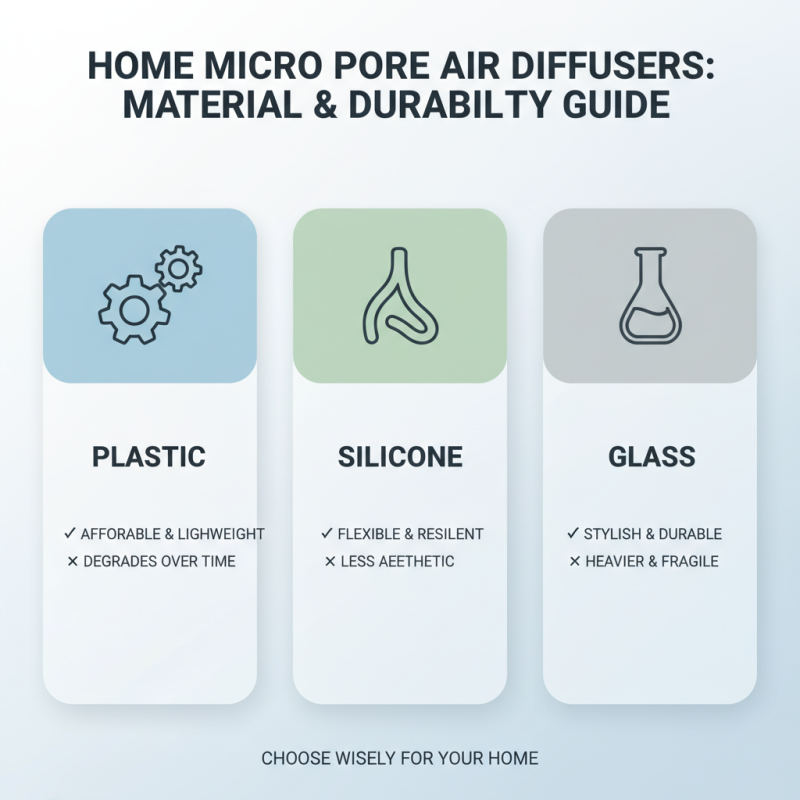
When selecting micro pore air diffusers for home use, material and durability are crucial. Plastic, silicone, and glass are common materials. Each has unique benefits and drawbacks. Plastic diffusers are lightweight and affordable but may degrade over time. Silicone offers flexibility and resilience but might not be as aesthetically pleasing. Glass diffusers are stylish and durable but are heavier and prone to breakage.
According to a recent industry report, 75% of consumers prioritize durability in their diffuser selection. This research indicates that a quality diffuser should last at least three years with proper care. Check for thick materials and high-quality manufacturing; these can ensure longevity.
Tips: 1. Avoid diffusers with thin walls; they likely won’t last long. 2. Examine product reviews to gauge user satisfaction over time. Durability matters, yet the appearance shouldn't be sacrificed. The right balance enhances both functionality and home aesthetics. 3. Regular maintenance can prolong the life of a diffuser; clean it often to avoid build-up.
Maintenance Tips for Prolonging the Life of Your Air Diffuser
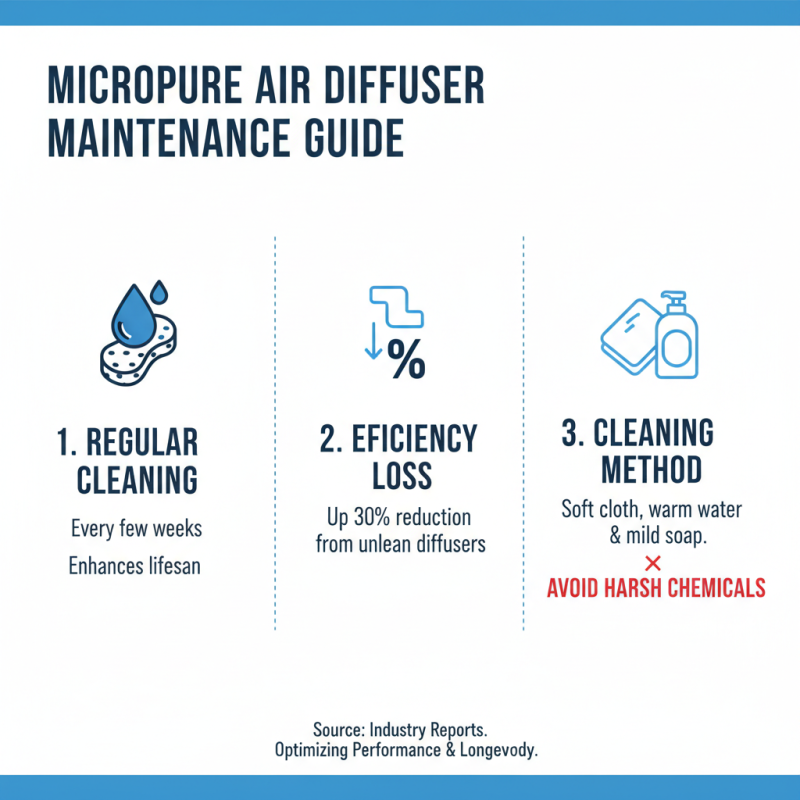
Maintaining micro pore air diffusers can enhance their lifespan significantly. Regular cleaning is essential. According to industry reports, unclean diffusers can reduce their efficiency by up to 30%. It’s recommended to clean the device every few weeks. Use a soft cloth and a mixture of warm water and mild soap. Avoid harsh chemicals, as they can damage internal components.
Check the water reservoir frequently. Ensure it is free of buildup or algae, which can harbor bacteria. Regularly changing the water is crucial. Experts suggest replacing it every two to three days for optimal performance. If the diffuser emits strange odors, it’s likely a sign of stagnation.
Another aspect often overlooked is the placement. Avoid locations near heat sources. These can cause the diffuser to overheat, leading to possible malfunctions. Reports indicate that diffusers placed in higher humidity areas tend to fail faster. Monitor the surrounding environment. Sometimes, making small adjustments can lead to significant improvements. Take time to assess your setup for better results.