2026 How to Choose the Right Metering Dosing Pump for Your Needs?
Choosing the right metering dosing pump is crucial for various industries, from water treatment to pharmaceuticals. Dr. Emily Carter, a leading expert in fluid dynamics, emphasizes, "Selecting the right pump can greatly impact efficiency and performance." This statement highlights the importance of informed decision-making in pump selection.
Metering dosing pumps play a vital role in delivering precise fluid quantities. These pumps ensure accuracy and reliability in critical processes. For businesses, understanding the specifications and capabilities of various models is not just beneficial; it's essential. The market offers several options, each designed for specific needs. This can lead to confusion and missteps for those without expertise in the field.
Experts recommend analyzing your application requirements carefully. The wrong choice can result in costly errors or inefficiencies. It's important to consider factors like flow rate and pumping pressure. Engaging with professionals in this industry may help clarify options. Ultimately, choosing a metering dosing pump requires a blend of knowledge, experience, and sometimes, a bit of trial and error.

Understanding Dosing Pumps: Types and Applications
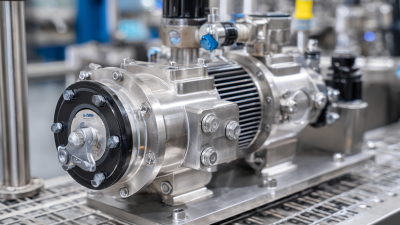
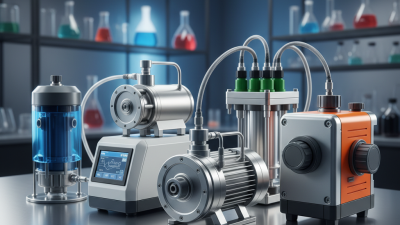
Dosing pumps play a crucial role in various industries, delivering accurate amounts of liquids. There are several types of dosing pumps, each tailored for specific applications. Positive displacement pumps are popular for their precision. They work by moving fluid through a chamber, ensuring a consistent flow rate. Peristaltic pumps, on the other hand, are ideal for sensitive fluids. They are designed to minimize contamination, making them suitable for food and pharmaceutical industries.
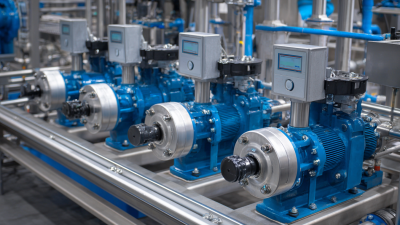
Understanding the applications of these pumps is vital. Chemical processing often requires metering pumps that can handle corrosive substances. Wastewater treatment systems benefit from submersible dosing pumps, which are robust and durable. However, the choice can sometimes feel overwhelming. One must consider factors like flow rate, pressure, and viscosity when selecting a pump. Missing the right specifications can lead to inefficiency.
The need for reflection is key. While some pumps excel at specific tasks, they may be overkill for others. It’s essential to analyze your system's requirements carefully. Sometimes, the most straightforward solution isn't the most efficient. A more intricate setup might save time and resources in the long run. Assessing the broader picture is crucial for making an informed choice.
2026 Metering Dosing Pumps: Types and Applications
Key Factors to Consider When Selecting a Dosing Pump
Choosing the right metering dosing pump can be challenging. There are several key factors to consider. Start with the fluid’s properties. Viscosity and temperature can greatly affect pump performance. For instance, thicker fluids demand more robust pumps. Simpler fluids may not require complex systems.
Next, think about the required flow rate and pressure. These specifications define the pump's operational limits. They also influence the type of pump you choose. Consider having some flexibility in your selection. It is common to encounter unforeseen changes in process conditions.
Don’t forget maintenance needs. A reliable pump design minimizes downtime. However, all pumps need some attention over time. Reflect on your operational capacity for maintenance tasks. If you cannot commit, simpler designs may be the best approach. These decisions ensure a better fit for your specific requirements.
2026 How to Choose the Right Metering Dosing Pump for Your Needs? - Key Factors to Consider When Selecting a Dosing Pump
| Factor |
Description |
Considerations |
| Flow Rate |
The volume of fluid the pump can move in a specific time |
Determine the required flow rate for your application |
| Pressure |
The maximum pressure the pump can operate |
Ensure the pump can handle the pressure requirements of your system |
| Chemical Compatibility |
The pump materials must be compatible with the fluid being dosed |
Check the materials used in the pump against the chemicals to be pumped |
| Dosing Accuracy |
The precision of the pump in delivering the correct amount of fluid |
Select a pump with appropriate accuracy for your dosing needs |
| Power Source |
The type of power required to operate the pump |
Identify if the pump will use electrical, pneumatic, or manual power |
| Size and Portability |
The physical dimensions and ease of transport of the pump |
Evaluate the space available and whether mobility is needed |
| Maintenance Requirements |
The frequency and nature of maintenance needed for the pump |
Consider ease of maintenance and availability of parts |
Assessing Your Flow Rate and Pressure Requirements
When selecting a metering dosing pump, understanding your flow rate and pressure requirements is crucial. Flow rate, measured in gallons per minute or liters per hour, determines how much fluid you need to move. For precise applications, a consistent flow rate ensures accurate dosing. Consider if you need a continuous flow or intermittent dosing. Each scenario will influence your pump choice significantly.
Pressure requirements are just as critical. Different applications demand varying pressure levels to achieve optimal performance. Evaluate the maximum pressure your system can handle. Low-pressure environments may allow for simpler pump types. In contrast, high-pressure systems require more robust designs for reliable operation. Always account for potential pressure losses in the system.
It's essential to reflect on these parameters before making a choice. Mistakes can happen if you overlook your actual needs. Consider running tests or consulting experts in your field. Their insights can guide you toward a better decision. A well-chosen pump can enhance efficiency and reliability. Careful evaluation is key to meeting your unique operational demands.
Evaluating Material Compatibility for Your Dosing Pump
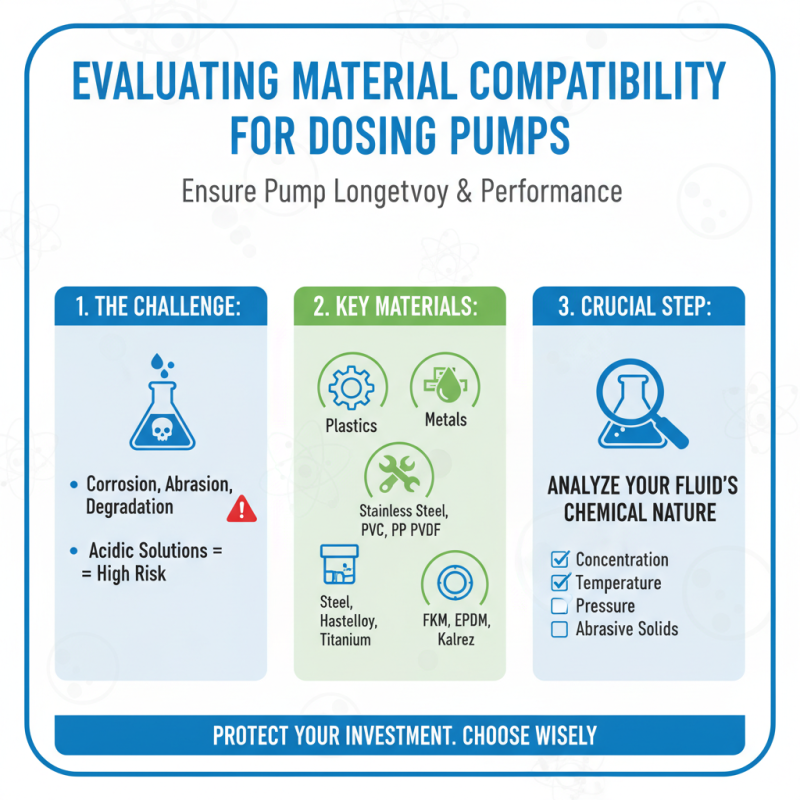
When selecting a metering dosing pump, material compatibility is crucial. The materials used must resist corrosion, abrasion, and degradation. Plastics, metals, and elastomers play significant roles in determining pump longevity. For instance, acidic solutions may require special attention to avoid failures. Assessing the chemical nature of your fluid is essential.
Tips: Always consult material safety data sheets (MSDS) when evaluating compatibility. This helps in understanding the hazards and risks involved.
Moreover, consider the operating environment. High temperatures, pressures, and varying pH levels can impact material performance. A thorough understanding of these conditions is vital for successful application. It's not uncommon to overlook stress factors. This can lead to unexpected failures and increased costs.
Tips: Keep a record of past challenges and solutions in your application. This reflection can guide future decisions.
Lastly, testing different materials in your specific environment may uncover unforeseen issues. Real-world trials can reveal weaknesses not identified in theory. Remember, your choice impacts not just performance but also safety and efficiency. Having experienced feedback can refine your approach significantly.
Maintenance and Support: Ensuring Longevity of Your Pump
Maintenance is crucial for the longevity of metering dosing pumps. Regular inspections help identify
wear and tear early. This proactive approach can prevent unexpected breakdowns.
Keeping an eye on seals, valves, and tubing is essential. These components wear out over time, affecting performance.
Address minor issues promptly to avoid major repairs later.
Support is equally important. Having access to knowledgeable technicians can make a difference. They can provide guidance
on upkeep and troubleshooting. Documentation on maintenance procedures is vital. Lack of clear instructions could lead to
mistakes. Invest time in understanding your pump's manual.
Familiarity with operation will enhance your effectiveness.
Sometimes, users overlook proper maintenance due to busy schedules. This can lead to neglected pumps, resulting in
inefficiencies. Establish a maintenance routine that fits your operational needs.
Utilize digital tools for reminders and checklists. This small step can greatly improve reliability. Frequent
maintenance checks can drastically extend your pump's life.