What is a Continuous Screw Press and How Does It Work?
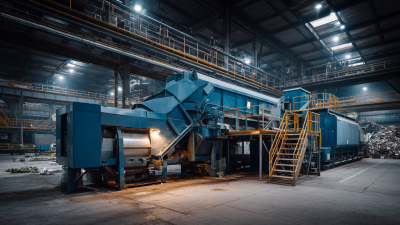
The Continuous Screw Press is a vital piece of equipment in various industries. It efficiently processes materials by applying continuous pressure. Experts have noted its importance in enhancing operational efficiency. As John Smith, a renowned expert in the field, stated, "The Continuous Screw Press transforms materials with unmatched precision."
This technology operates seamlessly, feeding materials through a screw conveyor, which compresses and dewaters in a single process. Users have found it useful in waste management and biomass processing. However, achieving optimal performance requires meticulous attention. Operators must regularly calibrate the machine, evaluating each batch for consistency.
Despite its strengths, the Continuous Screw Press isn’t infallible. Users sometimes face maintenance issues and difficulties in handling varying material types. This aspect prompts continuous reflection on operational practices. As industries evolve, so too must the methods we employ, ensuring that the Continuous Screw Press remains effective and reliable.
What is a Continuous Screw Press?
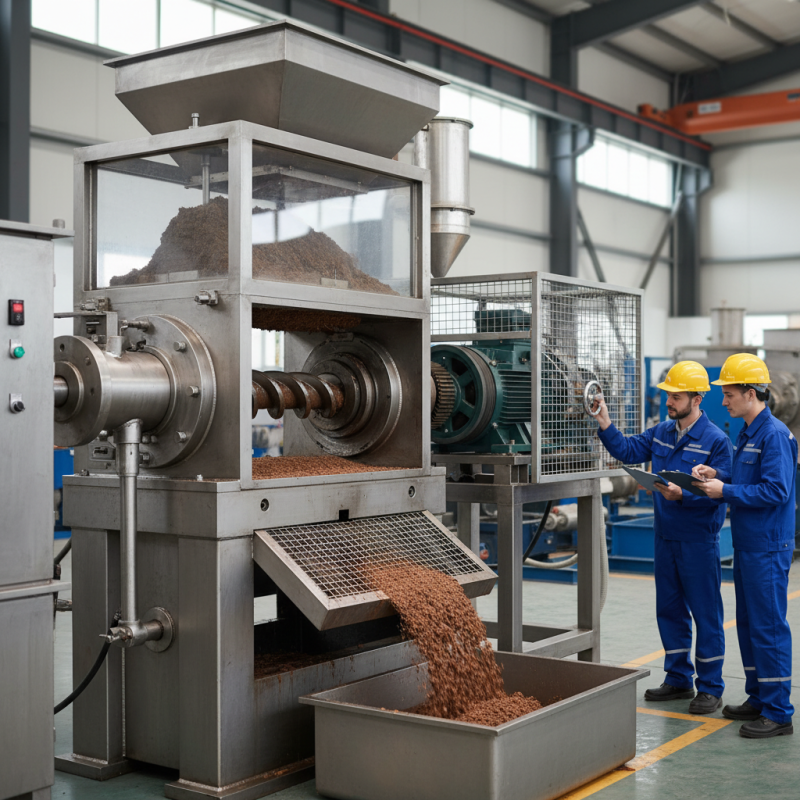
A continuous screw press is a mechanical device designed to extract fluids from materials. Its unique structure allows for continuous feeding and processing, which enhances efficiency in various industries. These presses are commonly used in food processing, oil extraction, and waste treatment. For example, in food industries, they help in extracting juice from fruits or oil from seeds, efficiently transforming raw materials into usable products.
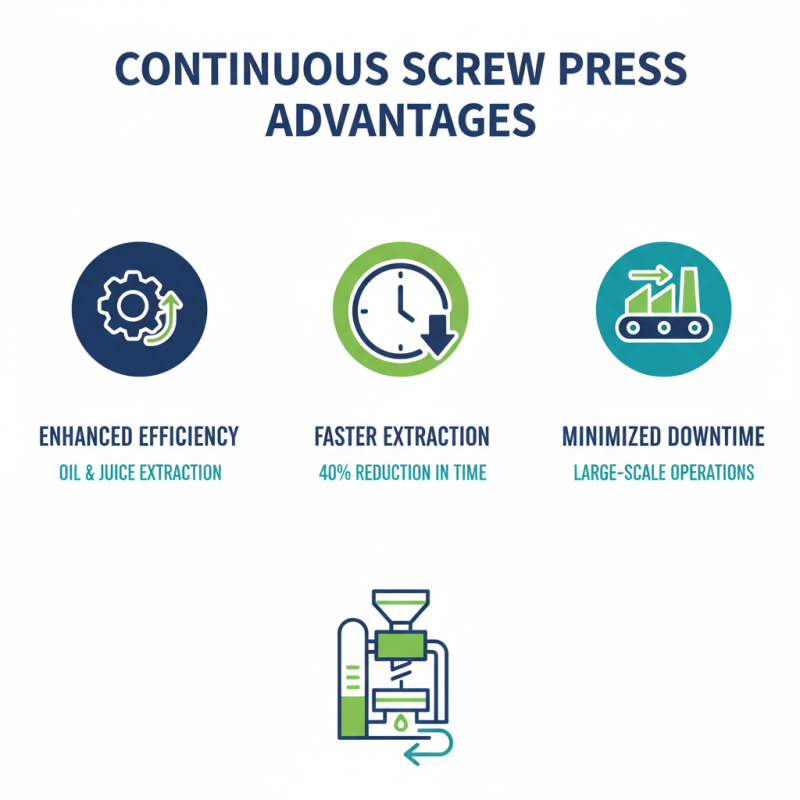
With an efficiency rate exceeding 90% in fluid extraction, continuous screw presses significantly reduce operational time. Reports indicate that they consume up to 30% less energy compared to batch processing systems. This reduction in energy consumption speaks volumes about their sustainable nature. However, many users still face challenges. Understanding optimal feed rates and material characteristics remains crucial. Too high a feed rate can lead to blockages, while too low can decrease output.
Moreover, maintenance can become complex due to the continuous operation. Regular inspections are vital to prevent breakdowns. Feed quality also plays a role; impurities can degrade performance. Some operators struggle to balance efficiency and quality. Despite their efficiency, these machines require ongoing learning and adjustments, which can be daunting for newer users.
Principle of Operation for Continuous Screw Press
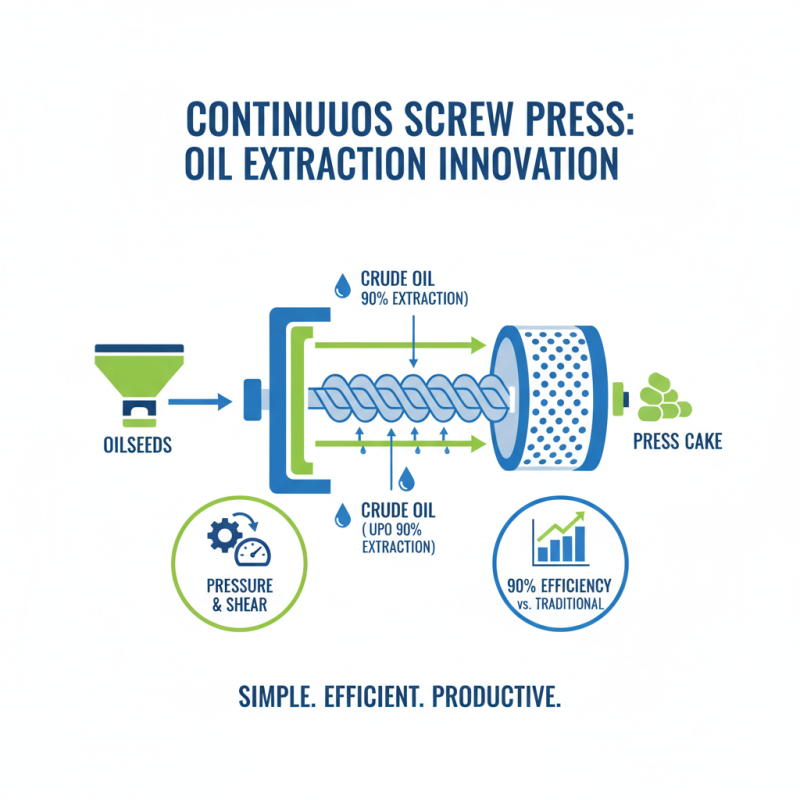
A continuous screw press operates based on a simple yet effective principle. It utilizes a rotating screw to move materials through a cylindrical barrel. This mechanism generates both pressure and shear, breaking down the feed material efficiently. Data shows that this process can achieve up to 90% oil extraction from oilseeds, a significant improvement over traditional methods.
The design allows for continuous feeding, which minimizes downtime. Material enters at one end and exits at the other, all while being processed. Research indicates that continuous screw presses can handle up to 30 tons of material per hour. This capacity is essential in industries that require high output, such as food processing and biofuel production.
However, not all materials yield the same results. Variations in moisture content and particle size can impact efficiency. A study by an industry group reported that optimal moisture levels should range between 6% to 12% for maximum oil extraction. Operators must monitor these variables closely. It's crucial to adapt processes based on feed characteristics to improve overall performance. This ongoing need for adjustment highlights the importance of operational flexibility in maximizing the benefits of continuous screw press technology.
Key Components of a Continuous Screw Press
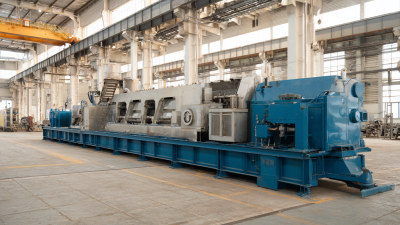
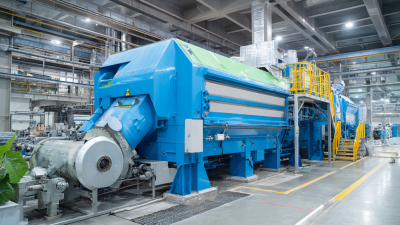
A continuous screw press is a vital piece of machinery used in various industries. Its operation centers around several key components that ensure efficiency and effectiveness. The main parts include the screw, barrel, and discharge system. The screw rotates within the barrel, pushing materials through at a steady pace. This design minimizes waste and enhances output.
Screws can vary in size and pitch. This variability allows for different material handling. The barrel heats as the material moves through, aiding in extraction or separation. The discharge system helps maintain flow, preventing bottlenecks. A well-designed discharge ensures consistent material output.
Tips: Regular monitoring of the screw’s condition is crucial. Minor wear and tear can impact performance significantly. Identifying issues early can save time and resources. Experimenting with different screw designs might yield better results for specific tasks. Keep an eye on temperature levels, as they can influence the efficiency of the process. Each adjustment can lead to improvements, making it important to reflect on what works and what doesn’t.
Continuous Screw Press Efficiency by Processing Type
This chart illustrates the efficiency of a Continuous Screw Press across various processing types. The efficiency rates indicate how effectively the screw press operates when processing different materials.
Applications of Continuous Screw Press in Industry
Continuous screw presses play a vital role in various industries. They are designed for efficient material processing. These machines compress and dewater materials like fruit pulp, oilseeds, and waste biomass. The design allows for continuous operation, which enhances productivity. This feature significantly reduces processing time compared to batch systems.
In the food industry, continuous screw presses extract juice from fruits. They efficiently separate solids from liquids. The resulting juice has higher quality and less pulp. In oil extraction, these presses enable the production of vegetable oils. They press the seeds, yielding more oil with less waste. This process is crucial for sustainable practices in the sector.
Waste management is another area where continuous screw presses excel. They help process organic waste, reducing its volume and facilitating composting. The machines also have applications in recycling plastics. However, challenges exist. Adjusting parameters for different materials can be tricky. Without proper calibration, efficiency may suffer. Continuous learning and adjustment are necessary for optimal performance.