What is a Continuous Screw Press and How Does it Work?
A Continuous Screw Press is a mechanical device used for processing various materials. These machines play a crucial role in industries such as food production, oil extraction, and waste management. Their ability to handle large volumes continuously makes them efficient tools.
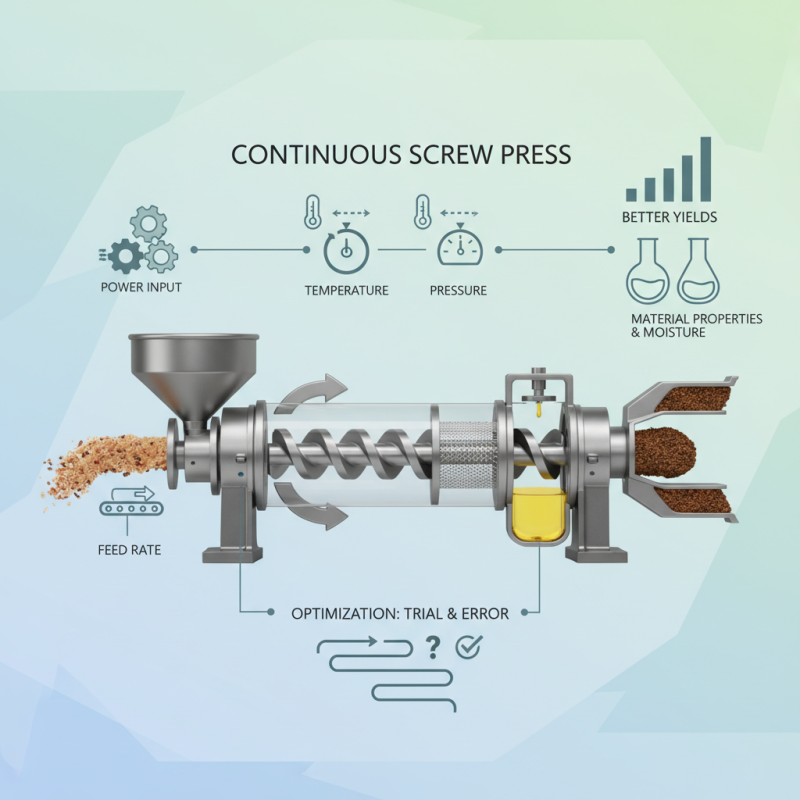
Understanding how a Continuous Screw Press operates can reveal its advantages. It utilizes a rotating screw to compact and transport materials. As the material moves through the press, it undergoes deformation and separation. This process often results in better yields compared to traditional methods. However, the efficiency can vary based on the material's properties and moisture content.
Many users find that optimizing the operating conditions is essential. Adjusting parameters such as temperature and pressure can enhance performance. However, finding the perfect balance is often a challenge. Factors like feed rate and screw design also influence results. Users must adapt their strategies based on specific needs and material characteristics. This adaptability is key but can lead to trial and error in achieving optimal outcomes.
What is a Continuous Screw Press?
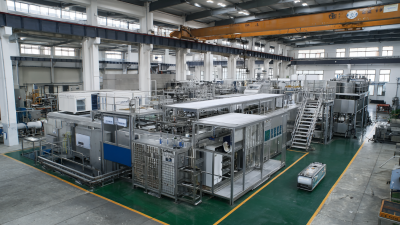
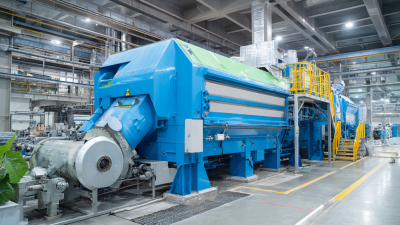
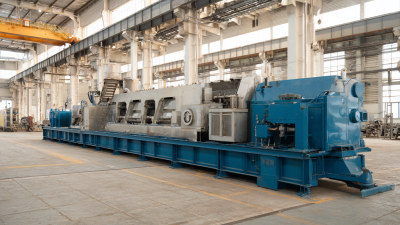
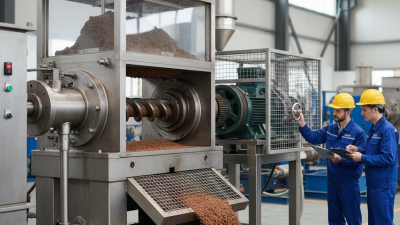
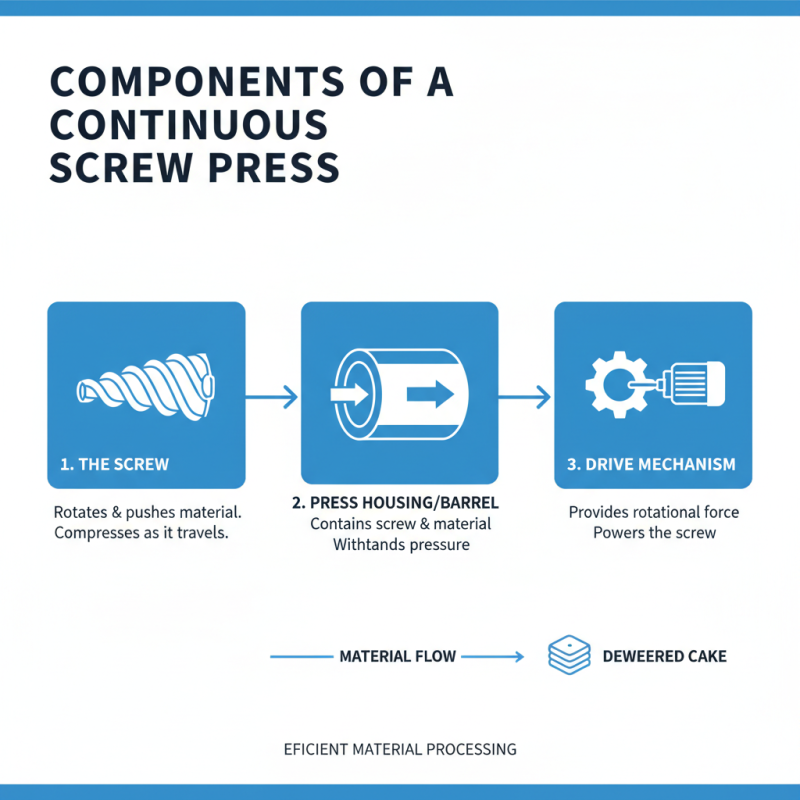
A continuous screw press is a machine designed for solid-liquid separation. It operates through a rotating screw mechanism. This mechanism transports and compresses material, allowing for effective extraction of liquids. It's used in various industries, such as food processing and waste management.
Inside the continuous screw press, the screw rotates steadily within a casing. As materials enter, the screw pushes them toward a discharge area. Pressure builds up, causing liquid to be squeezed out. It's fascinating how the design allows for continuous operation, reducing processing time significantly. However, this efficiency can lead to wear and tear on components. Regular maintenance is required to keep the machine functioning optimally.
Not all materials work well with this press. Some may clog or create uneven pressure. Operators need to monitor the input closely. This machine shows promise but requires thoughtful implementation. It’s not a one-size-fits-all solution, and different materials may yield different results. This variability can be both a challenge and an opportunity for improvement.
Continuous Screw Press Operation Efficiency
This chart represents the operational efficiency levels of a Continuous Screw Press across different efficiencies. It shows the percentage of efficiency achieved in five operational phases, indicating notable performance in the last three phases.
Principles of Operation for Continuous Screw Presses
Continuous screw presses are vital in various industries, primarily for their ability to extract liquids from solids. They operate on the principle of continuous feeding and pressing. Materials are fed into the press at one end, where a rotating screw transports them through a chamber. As the materials move forward, they are subjected to increasing pressure.
The design creates a frictional force that aids in separation. The continuous nature of this process enhances efficiency. However, achieving the perfect balance of feed rate and pressing force can be challenging. If the feed rate is too high, clogging may occur. Conversely, if it is too low, the pressing efficiency drops.
Monitoring temperature is also crucial. If the temperature rises excessively, it can affect the quality of the output. Yet, maintaining optimal conditions requires constant adjustment and analysis. Observing these factors closely can lead to improved outputs.
Finally, while continuous screw presses are effective, they require regular maintenance. Wear and tear can impact performance. Regular checks help ensure their longevity and functionality.
Applications of Continuous Screw Press Technology
Continuous screw presses have wide-ranging applications across various industries. They excel in material processing due to their efficiency and effective separation capabilities. For example, in the oil extraction industry, they are used to extract oil from seeds. This process maximizes oil yield, ensuring minimal waste. The continuous nature of the process allows for high throughput, making it ideal for large-scale operations.
In the juice production sector, continuous screw presses help extract juice from fruits and vegetables. This technology ensures that the juice is clear and free from pulp. The design prevents oxidation, preserving flavor and nutrients. However, some users might notice a trade-off between speed and quality. If the process runs too quickly, it may compromise the final product's taste.
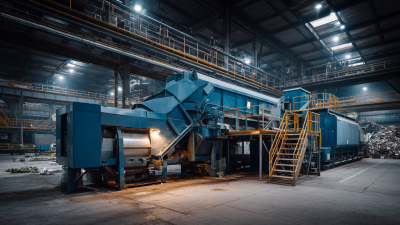
Additionally, these presses find applications in recycling. They can efficiently process waste materials, reducing their volume. This application is crucial for promoting sustainability. Continuous screw presses can handle various materials, but not every type works well. Understanding the limitations of the technology is important for optimal results. Careful evaluation is necessary during implementation.
Benefits and Limitations of Using Continuous Screw Presses
Continuous screw presses are widely used in various industries for material processing. They offer unique benefits. These machines operate efficiently, pushing material through a rotating screw within a barrel. The pressure and shear force effectively separate liquids from solids. This makes them suitable for applications like oil extraction and waste treatment.
However, there are limitations. Continuous screw presses can struggle with certain materials. For instance, sticky or fibrous substances may clog the system. Regular monitoring is essential to prevent such issues. Maintenance costs can be high as well. Parts may wear out quickly due to constant friction and pressure.
Another point to consider is energy consumption. While they can save time, they may also consume significant energy, raising operational costs. Businesses must balance efficiency with expenses. Proper training and understanding of the equipment are critical for maximizing benefits. Users should reflect on these factors before investing.
Continuous Screw Press Data Overview
| Dimension |
Description |
| Capacity |
500 to 3000 kg/hour depending on the model and material being processed. |
| Efficiency |
Can achieve up to 85-90% oil extraction efficiency. |
| Power Consumption |
Typically ranges from 15 to 50 kW depending on machine size. |
| Footprint |
Requires approximately 50 to 100 square meters of floor space. |
| Material Types |
Suitable for various oilseeds, including soybeans, sunflower seeds, and canola. |
| Maintenance Frequency |
Recommended quarterly maintenance checks to ensure optimal performance. |
| Common Applications |
Used in vegetable oil manufacturing, biofuel production, and animal feed processing. |