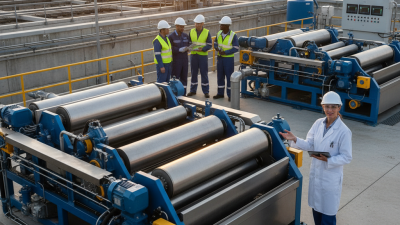
Dewatering Press Machine Tips for Efficient Operation and Savings?
In the world of waste management, the efficiency of a Dewatering Press Machine plays a crucial role. According to a 2022 industry report by the International Water Association, effective dewatering can reduce waste volume by up to 90%. This significant reduction translates to lower disposal costs and reduced environmental impact. Companies utilizing advanced dewatering technology achieve notable operational savings. However, many operators overlook critical factors that maximize performance and reliability.
Effective operation of a Dewatering Press Machine hinges on proper maintenance and optimization of settings. For instance, regular cleaning and monitoring of pressure levels can enhance efficiency by up to 15%. Yet, many organizations still face challenges in tracking these parameters consistently. Understanding the unique characteristics of the material being dewatered is equally important. Each material requires specific adjustments to ensure optimal performance.
Despite the potential benefits, some facilities struggle with implementation. A lack of proper training for operators can lead to inefficient use of the Dewatering Press Machine. Mistakes in setup or operation can undo cost-saving efforts and negatively impact results. Thus, investing in operator education and periodic reviews is essential for fostering a culture of efficiency.
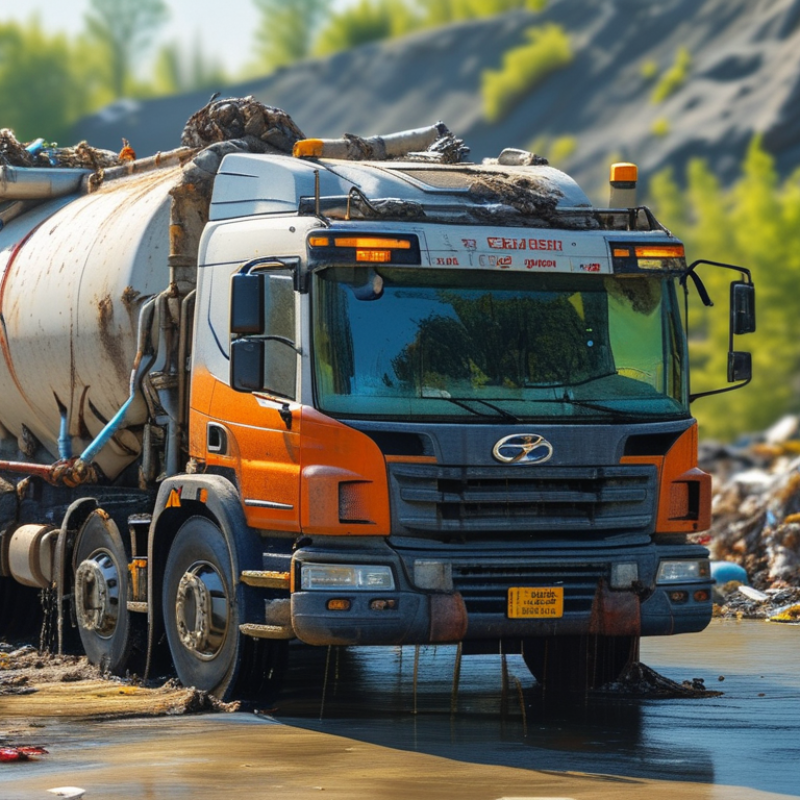
Dewatering Press Machine Overview: Types and Applications in Industry
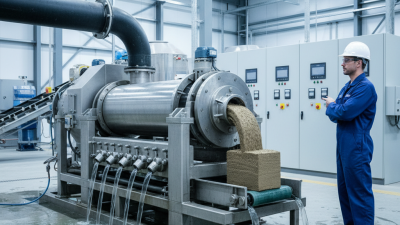
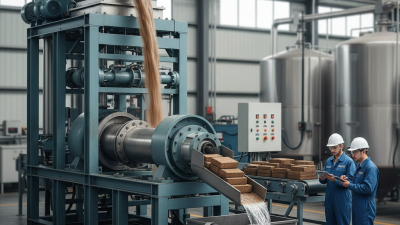
Dewatering press machines play a vital role in various industries. They are essential for reducing the moisture content of materials. These machines help in the treatment of waste, sludge, and other by-products. Industries like agriculture, food processing, and wastewater management utilize these presses. Each application demands a specific type of machine to ensure efficiency.
Different types of dewatering presses exist, such as filter presses and centrifuges.
Filter presses are common for solid-liquid separation. They operate by applying pressure to filter out liquid from sludges. Centrifuges, on the other hand, use high-speed rotation to achieve the same goal. Both types have unique benefits and limitations. Choosing the right one can be challenging, and improper selection may cause issues.
Efficiency is key, yet many facilities struggle with optimal operations. Regular maintenance is often overlooked, leading to inefficiencies. Operators must be trained adequately to handle these machines. Ignoring these aspects can result in costly downtime and reduced output. It’s crucial to continuously evaluate the processes in place to ensure alignment with best practices.
Key Operational Principles for Maximizing Dewatering Efficiency
Dewatering press machines play a critical role in various industries. To maximize dewatering efficiency, understanding key operational principles is essential. Pressure application is vital. Too much pressure can lead to material damage, while too little may result in insufficient moisture removal. It’s essential to carefully monitor the pressure settings during operation.
Operators should also pay attention to the feed consistency. Variations in feed material can affect the overall efficiency. Consistent material helps maintain optimal press efficiency. Regularly checking the moisture content of the feed allows for adjustments to be made, ensuring that the dewatering process runs smoothly.
One of the key tips for efficient operation is to conduct routine maintenance. Ignoring this aspect can lead to unexpected downtime. Regularly cleaning the press and checking for wear can prevent costly repairs. Operators can also benefit from keeping an eye on the water extraction rates. This data can help identify any operational issues early. Testing different feed types under varied conditions may also reveal insights for better performance.
Impact of Moisture Content on Dewatering Performance and Cost Savings
Moisture content plays a crucial role in the performance of dewatering processes. Research shows that reducing moisture content by just 5% can lead to a significant decrease in energy consumption. In many industries, this can translate to savings of up to 20% in operational costs. For example, when treating sludge, an optimal moisture level can enhance efficiency and extend equipment lifespan.
The right moisture balance impacts the overall dewatering effectiveness. High moisture content can hinder the operation, leading to costly downtime. According to a study by the Water Environment Federation, optimizing moisture content can boost throughput by 15% in some cases. However, achieving ideal levels can be challenging. It requires monitoring and adjustments—areas where many operators find room for improvement. Continuous training and investment in technology are critical to navigate these challenges effectively.
Nevertheless, not all dewatering systems adapt well to moisture fluctuations. Some may struggle at low moisture levels, risking product quality. Operators should assess their systems regularly to identify weaknesses and improve resilience. Emphasizing the importance of moisture control can enhance profitability while ensuring operational reliability.
Routine Maintenance Tips to Enhance Dewatering Machine Longevity
Routine maintenance is crucial for enhancing the longevity of dewatering machines. Regular checks can prevent unexpected breakdowns. A study by the American Society of Mechanical Engineers (ASME) indicated that preventive maintenance can reduce downtime by up to 30%. Simple tasks, like cleaning filters and monitoring fluid levels, can significantly impact machine efficiency.
To illustrate, maintaining the press's hydraulic system is vital. Hydraulic fluids should be checked regularly to ensure optimal performance. Manufacturers suggest changing fluids every six months for long-lasting machinery. Ignoring this may lead to costly repairs. Maintaining the machine’s structural integrity is equally important. Regular inspections for wear and tear can prevent larger issues.
Additionally, staff training on machine operations can enhance performance. According to reports by the National Institute of Standards and Technology (NIST), properly trained operators can improve machine efficiency by 25%. Fostering a culture of maintenance awareness among employees is essential. Emphasizing these practices may seem tedious, but the savings and extended equipment lifespan speak volumes. It’s worth considering these preventive actions for sustained operation success.
Case Studies: Real-world Outcomes and Savings from Efficient Dewatering Practices
Effective dewatering practices can significantly improve operational efficiency. Many industries have implemented new techniques with impressive outcomes. A food processing plant, for instance, reduced waste disposal costs by 30% after optimizing its dewatering process. They achieved this by modifying their existing press technology. The key was ensuring a consistent feed rate, which improved the moisture content of the sludge.
In another case, a municipal wastewater treatment facility upgraded its dewatering machine. The result was a consistent 25% reduction in energy consumption. Crew training played a vital role as well. Staff learned to monitor pressure settings better, leading to fewer equipment failures. These changes not only enhanced performance but also fostered a culture of accountability.
Despite these successes, ongoing assessments revealed areas needing improvement, like real-time monitoring systems, which could better predict machine issues before they escalate.
These case studies highlight the balance between investing in equipment and ensuring operational excellence. While resources were allocated for upgrades, the true savings originated from harnessing existing knowledge within the workforce. Continuous reflection and adaptation are essential to build on these achievements and explore new avenues for savings.