Dispersed Air Flotation Tips for Effective Wastewater Treatment?
Dispersed Air Flotation (DAF) has emerged as a promising technique in wastewater treatment. It utilizes microbubbles to separate solids and oils from water. DAF systems can efficiently reduce contaminants, enhancing water clarity and quality. This method is particularly beneficial for industries that generate oily or solid-laden wastewater.
When implementing DAF, understanding its nuances is crucial. The size and distribution of air bubbles directly affect its efficiency. Smaller bubbles tend to improve flotation rates. However, achieving the right balance can be challenging. Factors like water temperature and chemical dosing also play significant roles.
Despite its advantages, DAF is not a one-size-fits-all solution. Some facilities face issues with scalability and maintenance. Regular monitoring and adjustments are necessary to optimize performance. Therefore, understanding these complexities allows for more effective use of Dispersed Air Flotation in various applications.
Overview of Dispersed Air Flotation in Wastewater Treatment
Dispersed Air Flotation (DAF) is an effective method in wastewater treatment. It utilizes fine air bubbles to separate contaminants. This technology is efficient in treating industrial effluents and municipal wastewater. In fact, recent studies show that DAF systems can remove up to 90% of suspended solids and 80% of fats, oils, and greases.
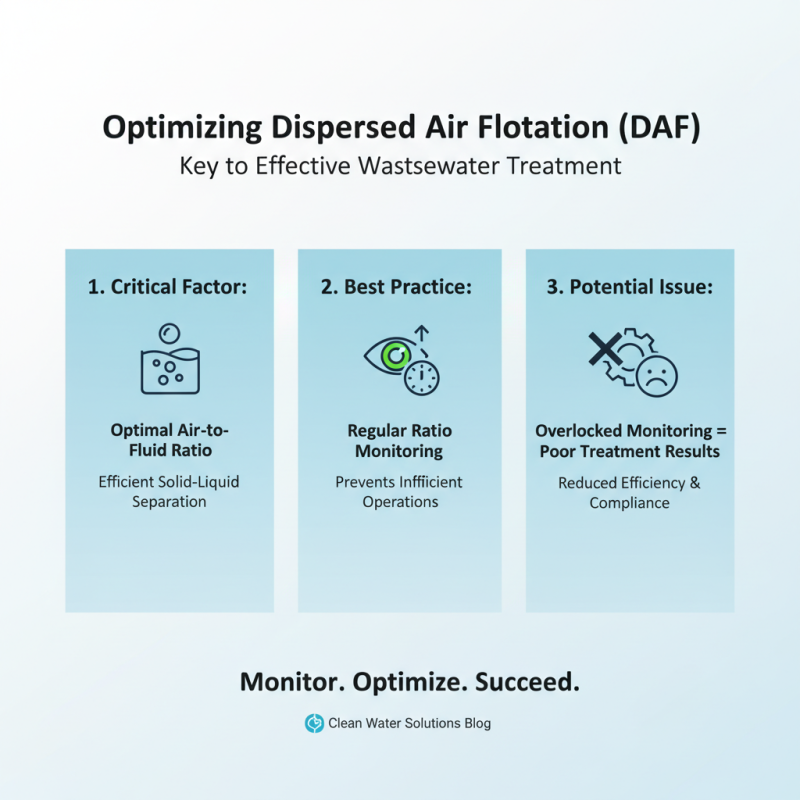
Tips for implementation include ensuring proper bubble size. Smaller bubbles often enhance the flotation of particulate matter. Optimizing the air-to-solids ratio is crucial. This ratio directly impacts the removal efficiency. Monitoring operational parameters regularly helps maintain performance. Wastewater characteristics can change rapidly; thus, adjustments may be needed.
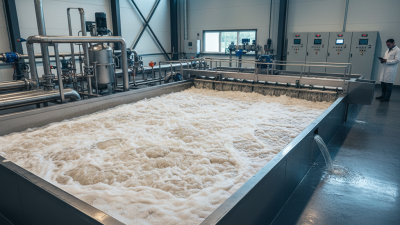
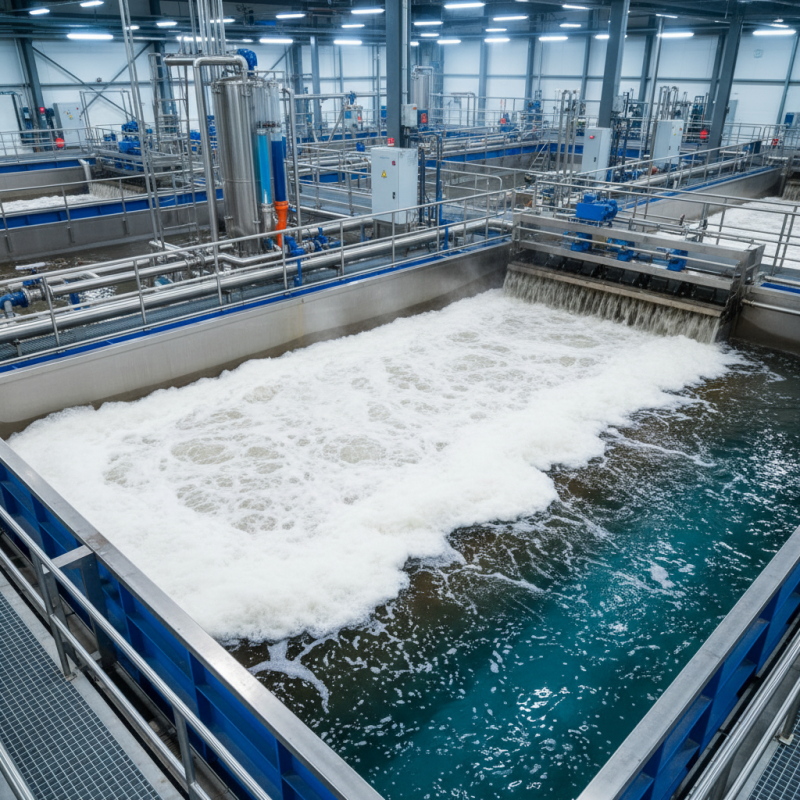
Additionally, keep in mind that DAF systems can face challenges. Foam formation may occur, which can affect treatment processes. Understanding the nature of your wastewater is vital. Wastewater with high organic loads can pose issues. Continuous training for operators ensures everyone is aware of potential problems. By addressing these issues proactively, the effectiveness of DAF in wastewater treatment can significantly improve.
Principles of Dispersed Air Flotation Technology
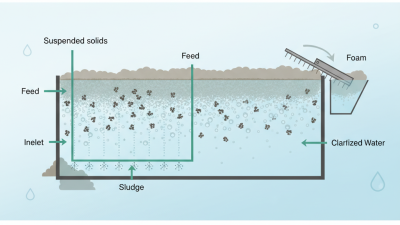
Dispersed Air Flotation (DAF) technology is an effective method for wastewater treatment. It relies on small air bubbles that attach to contaminants. These bubbles lift pollutants to the surface, making it easier to remove them. When applied correctly, this process can significantly improve water clarity. The principles of DAF involve the controlled introduction of air into the wastewater. This helps in creating a dispersed phase that supports flotation.
To enhance the effectiveness of DAF, consider a few tips. First, optimize the air-to-water ratio. Too little air won't create enough bubbles. Too much air can disrupt the flotation process. Pay attention to the particle size of contaminants as well. Smaller particles may require additives for better separation. Regular maintenance of the DAF system is crucial. Check for wear and tear in components.
Another point to reflect on is the uniform inflow of wastewater. An inconsistent flow can lead to uneven bubble distribution. Monitor the overall system performance regularly. Adjustments should be based on operational data. This can help identify potential issues early on. Balancing these factors can make a big difference in your wastewater treatment results.
Dispersed Air Flotation Efficiency in Wastewater Treatment
Key Benefits of Using Dispersed Air Flotation Systems
Dispersed air flotation (DAF) systems offer numerous benefits in wastewater treatment. One key advantage is their efficiency in removing suspended solids. The process involves introducing microscopic air bubbles to the water. These bubbles attach to particles and cause them to float, making separation easy.
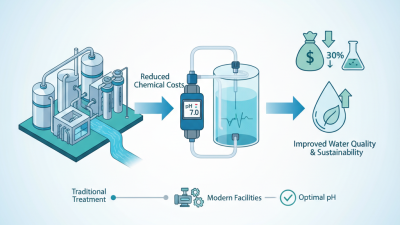
Another significant benefit is the reduction of chemical usage. DAF systems often require less coagulant compared to traditional methods. This not only cuts costs but also minimizes the environmental impact. However, achieving the right balance between air and water can be tricky. Improper calibration might lead to ineffective treatment.
Additionally, DAF systems can handle varying wastewater types. Whether it’s industrial runoff or municipal waste, they adapt well. This flexibility is vital as wastewater characteristics can change. Still, operators must monitor performance closely. Regular checks ensure consistent results and help identify any inefficiencies.
Common Challenges and Solutions in Dispersed Air Flotation
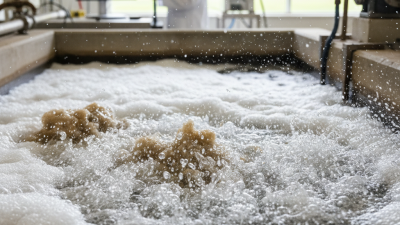
Dispersed air flotation (DAF) is a popular method for wastewater treatment. However, there are common challenges faced by operators. One significant issue is the formation of foam. Excessive foam can hinder proper separation. It’s essential to monitor the chemical dosage closely. Adjusting the coagulants and flocculants can help manage this problem.
Another challenge is the maintenance of the equipment. DAF units require regular cleaning. If not maintained, solid particles can accumulate. This buildup can lead to reduced efficiency. Operators often underestimate the importance of routine checks. Neglecting this can cause more significant issues down the line.
Chemical imbalances present another hurdle. High levels of certain contaminants can affect performance. Regular testing of influent water is crucial. Operators should be aware of fluctuations in water quality. Balancing the treatment process requires constant attention. Adjustments need to be made promptly to avoid inefficiencies. These reflections can lead to better outcomes in the long run.