How to Use a Lamella Clarifier Effectively?
The Lamella Clarifier has emerged as a vital component in modern water treatment systems. According to a report by the International Water Association, over 40% of water treatment plants utilize this technology for its efficiency in solid-liquid separation. This innovative design allows for a compact footprint while maximizing settling surface area, making it ideal for urban environments.
Using a Lamella Clarifier effectively requires a deep understanding of its operational parameters. The optimal flow rates, solid concentration, and maintenance schedules are crucial for achieving the desired clarity levels in treated water. Poor management can lead to increased turbidity or even system failure, highlighting the importance of continuous monitoring and adjustments.
Despite its advantages, there are challenges associated with using a Lamella Clarifier. Operators may overestimate its capabilities, leading to inefficiencies. Training and awareness are essential to minimize operational errors and maximize the benefits this system can offer. Engaging with industry reports and studies can provide valuable insights for optimizing usage and improving overall treatment processes.
Understanding Lamella Clarifier: Principles and Design Features
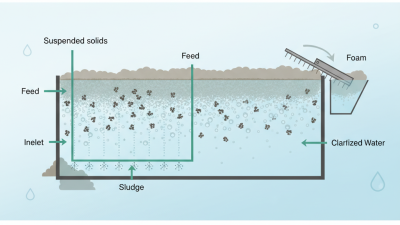
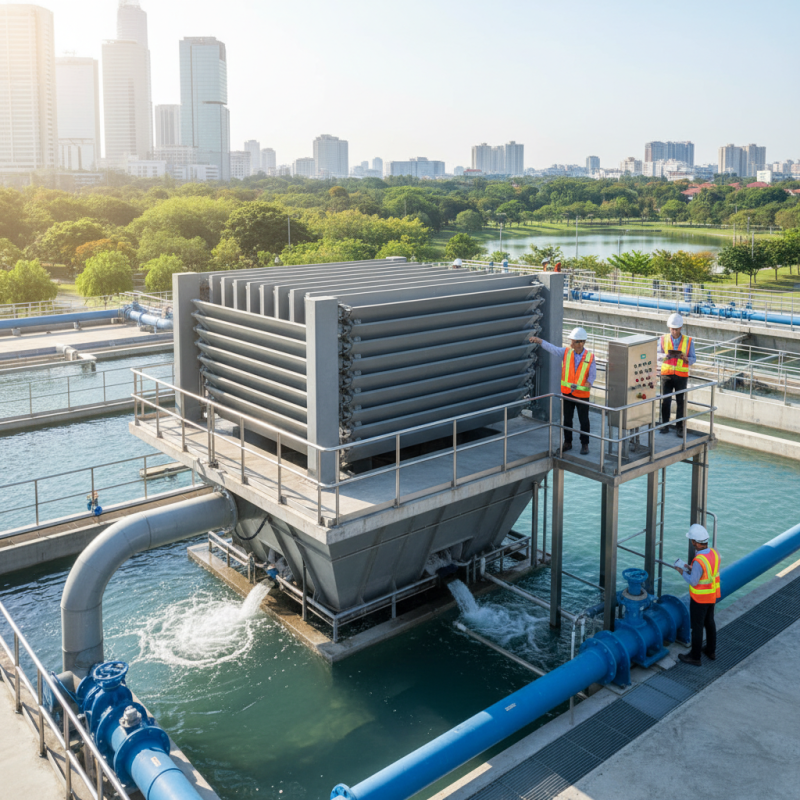
A lamella clarifier is a compact sedimentation unit. It utilizes inclined plates to enhance the settling process. The design allows for greater surface area in a smaller footprint. According to industry reports, these systems can improve sedimentation efficiency by up to 30%. This efficiency leads to reduced footprint and lower operational costs.
The principles of lamella clarifiers center around the settling velocity of particles. The inclined plates promote quicker settling, as particles travel a shorter distance before being collected. A noteworthy feature of these systems is the ability to handle varying flow rates. However, if not properly calibrated, they can struggle with higher turbidity levels. This inconsistency can lead to inadequate performance in certain situations.
Design features include adjustable plate spacing and influent distribution systems. These allow for flexibility in handling diverse water qualities. Despite their strengths, maintenance is crucial to ensure optimal functioning. Neglecting this can result in reduced efficiency. Regular checks help identify issues before they escalate. Balancing design and operational factors is key to maximizing the benefits of lamella clarifiers.
Key Operational Parameters for Optimal Lamella Clarifier Performance
Operational parameters play a crucial role in achieving optimal performance from a lamella clarifier. Flow rate is one of the key factors. If the flow rate is too high, the settling time decreases. Studies show that maintaining a flow rate that does not exceed the design capacity can enhance sedimentation efficiency by 20%. A well-regulated flow creates better separation and clarity.
Another significant parameter is the temperature of the influent water. Research has indicated that a 5°C rise in temperature can increase the settling velocity of particles, improving overall performance. However, seasonal changes might cause variations that operators need to monitor closely. Ignoring this can lead to subpar results during colder months.
Sludge age can also impact the system’s efficiency. Operators often overlook the importance of monitoring how long the sludge remains in the system. Keeping sludge too long can cause rising sludge issues, while too short results in ineffective sedimentation. It's a delicate balance that requires continuous assessment. Adjustments based on actual performance data can lead to enhanced operational efficiency. Using real-time monitoring tools can aid in this effort.
Maintenance Strategies to Enhance Lamella Clarifier Efficiency
Effective maintenance strategies are crucial for maximizing the efficiency of a lamella clarifier. Regular inspections can identify wear and tear on components. According to a study by the Water Environment Federation, a well-maintained clarifier can improve solids removal rates by up to 30%. This emphasizes the importance of routine checks to ensure optimal performance.
Tips: Clean the influent and effluent channels monthly. This simple task can prevent blockages and improve flow rates significantly.
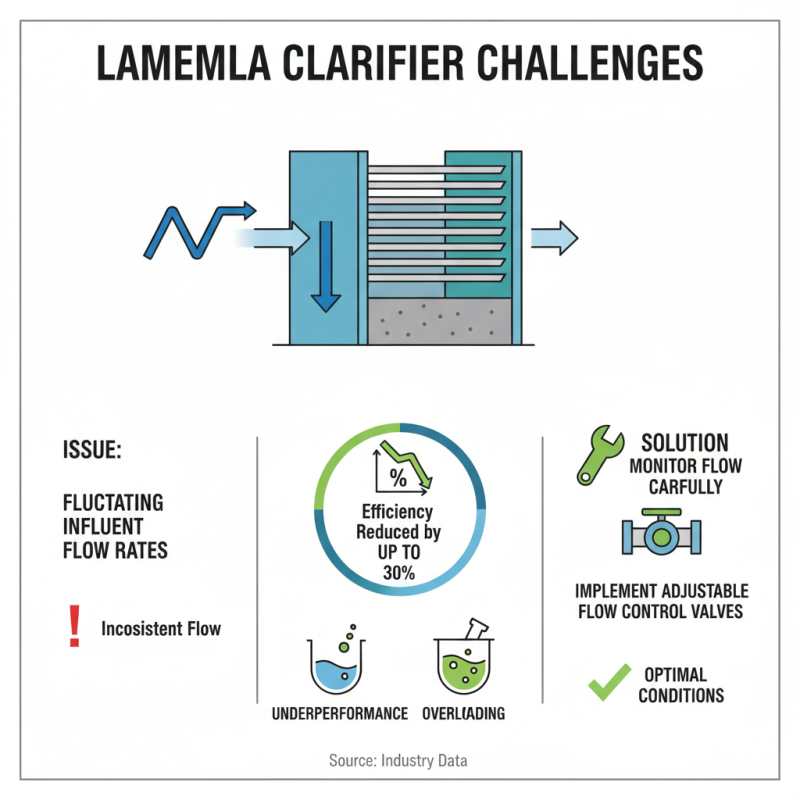
In addition, monitoring flow rates is vital. A fluctuation in inflow can lead to overloading, which compromises settling efficiency. Maintaining a consistent flow helps in optimizing the system. Data from the International Water Association suggests that uneven flow can reduce treatment efficiency by 15% or more.
Tips: Utilize flow meters to track changes in real-time. This proactive approach aids in adjusting operational parameters.
Lastly, ensure that the chemical dosing system is calibrated accurately. Improper dosing can lead to poor coagulation and flocculation, ultimately affecting the clarifier’s performance. A lack of attention in this area can decrease efficiency noticeably. Regular calibration is key to sustained clarity and quality.
Tips: Schedule quarterly calibration checks for dosing equipment to guarantee accuracy.
Lamella Clarifier Efficiency Over Time
This bar chart represents the efficiency percentage of a lamella clarifier over a six-month period. The data indicates a consistent improvement in efficiency, highlighting the importance of regular maintenance strategies.
Case Studies: Effective Use of Lamella Clarifiers in Various Industries
In the food processing industry, lamella clarifiers have significantly improved efficiency. One case study showed how a dairy plant reduced waste by 30% using these devices. They installed the clarifier to separate solids quickly. However, staff training was an issue initially. The team needed to adapt to new operations and maintenance protocols.
In wastewater treatment, a municipal plant used a lamella clarifier to enhance performance. It led to clearer effluent and better compliance with regulations. Yet, they faced challenges with inflow variability. This affected the clarification efficiency. Operators learned from this fluctuation and adjusted parameters accordingly.
In another instance, a paper mill integrated a lamella clarifier to recycle water. Their output increased, but they encountered unexpected sludge buildup. This required a redesign of the cleaning schedule. Regular assessments became essential for operational success. These examples highlight the importance of adapting processes for optimal use of lamella clarifiers.