How to Use a Micro Bubble Air Diffuser Effectively?
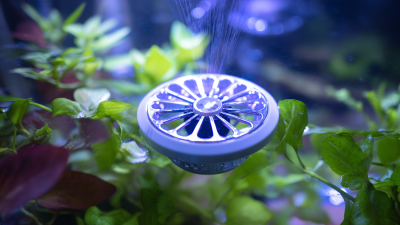
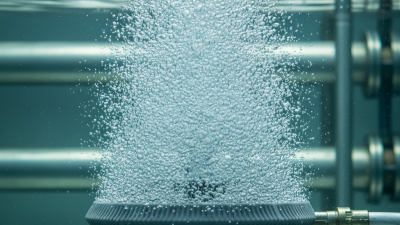
The "Micro Bubble Air Diffuser" has gained attention for its efficiency in various applications. This innovative device generates tiny bubbles, enhancing aeration in aquariums, ponds, and even aquaculture systems. Micro bubbles are distinct; they are smaller than regular bubbles and remain suspended in water for longer periods.
Using a Micro Bubble Air Diffuser correctly can improve water quality and promote healthier environments for aquatic life. It's not just about installation; placement and the right air pump are crucial. Many people may underestimate these factors, leading to suboptimal results.
Understanding this technology can be challenging. Experimentation may be necessary to find the perfect setup. Consider adjusting the diffuser's position and observing changes. This trial-and-error approach can reveal what works best for your specific situation. Embracing reflection on these adjustments is key. The journey to effective usage is just as important as the final outcome.
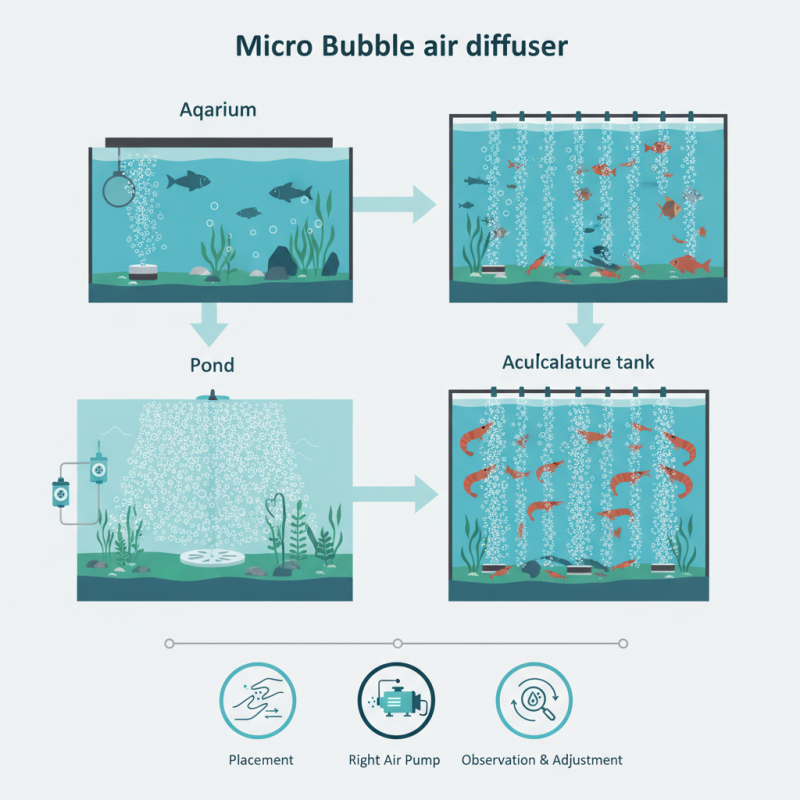
Understanding Micro Bubble Air Diffusers and Their Benefits
Micro bubble air diffusers are transforming aquaculture and water treatment. These devices create tiny bubbles, enhancing oxygen levels in water. Research shows that using micro bubble technology can increase oxygen transfer efficiency by up to 90%. This is significant, as oxygen is essential for fish health and growth.
In aquaculture, sufficient dissolved oxygen leads to better fish survival rates. A study found that fish grown with micro bubble diffusers had up to 30% improved growth compared to those without. The bubbles also help in removing harmful substances from water. They bind with pollutants, making them easier to filter out. However, it's crucial to maintain the diffusers properly. Clogged systems can lead to reduced efficiency and water quality deterioration.
Potential challenges exist with this technology. Training staff to operate and maintain these systems effectively is essential. Poor maintenance can negate the benefits of micro bubble diffusers. Users should stay vigilant about regular checks and cleanings. Balancing efficiency and operational challenges is critical for achieving the best results.
How to Use a Micro Bubble Air Diffuser Effectively? - Understanding Micro Bubble Air Diffusers and Their Benefits
| Dimension |
Description |
Benefit |
| Bubble Size |
Micro bubbles typically range from 20 to 100 micrometers. |
Enhanced oxygen transfer and increased surface area. |
| Diffusion Method |
Utilizes a membrane to create bubbles with high efficiency. |
Improved treatment efficiency in aquaculture and wastewater applications. |
| Installation Location |
Can be installed at various depths in water bodies. |
Maximizes contact time and efficacy, especially in larger systems. |
| Maintenance Frequency |
Routine checks every month; cleaning every 6 months. |
Ensures optimal performance and longevity of the diffuser. |
| Energy Consumption |
Typically low power requirement per unit of output. |
Cost-effective operation over long periods. |
Installation Guide for Effective Use of Micro Bubble Air Diffusers
When installing a micro bubble air diffuser, precision is key. The positioning influences performance significantly. Optimal placement includes areas with low water flow. Studies show that diffusers can improve oxygen levels by 30% when installed correctly. Adjust the height to avoid clogging. Regular checks are necessary to ensure efficiency.
Use a good quality silicone adhesive for fixing. This helps create a solid bond without leaks. Proper sealing is crucial; leaks can lead to performance losses. After installation, monitor the air distribution closely. Visual inspections can reveal uneven patterns. Adjustments may be needed based on water movement and overall conditions.
It’s important to remember that not all installations are perfect. Testing different positions will be necessary. Results may vary based on tank sizes and water chemistry. An unexpected outcome might discourage users. Reflecting on what works and what doesn’t is essential for continual improvement.
Maintenance Tips to Optimize Micro Bubble Air Diffuser Performance
Maintaining a micro bubble air diffuser is crucial for optimal performance. Regular cleaning is essential to prevent algae buildup. Use a soft brush to remove debris. Rinse it in freshwater thoroughly. Sometimes, the buildup can be stubborn. Soak it in vinegar for a few hours before scrubbing. This step can help restore its efficiency.
Check the air pump regularly. If it sounds louder than usual, it might be time for a change. Low pressure can indicate a clog in the system. Investigate any unusual noises promptly. It's also important to monitor water quality. Maintain appropriate pH levels and avoid high nutrient concentrations.
Observe the diffuser's output regularly. If you notice fewer bubbles, address the issue right away. Adjusting the air supply can often help. Experimenting with different flow rates may yield better results. Remember that fine-tuning takes effort and patience. Mistakes are common when starting out. Keep refining your approach to achieve the best performance.
Common Issues and Solutions Related to Micro Bubble Air Diffusers
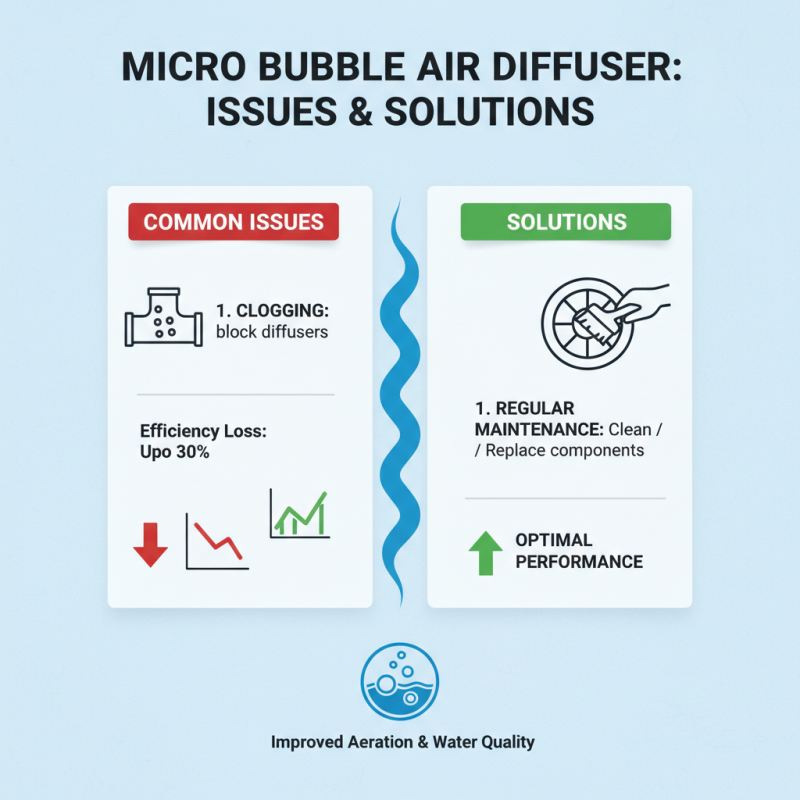
Micro bubble air diffusers are effective for aeration and water quality improvement in various applications. However, users often face common issues that can hinder their performance. One significant issue is clogging, which occurs when particles accumulate in the diffuser. Studies suggest that up to 30% of diffuser efficiency can be lost due to this problem. Regular maintenance is crucial. It might include cleaning or replacing components to ensure optimal function.
Another problem is inadequate bubble size distribution. The ideal micro bubble size ranges from 20 to 100 microns, providing maximum oxygen transfer efficiency. If the bubble size is inconsistent, the dissolved oxygen levels in the water can fluctuate. This can lead to stress for aquatic life. Users should monitor bubble formation closely and adjust settings as needed.
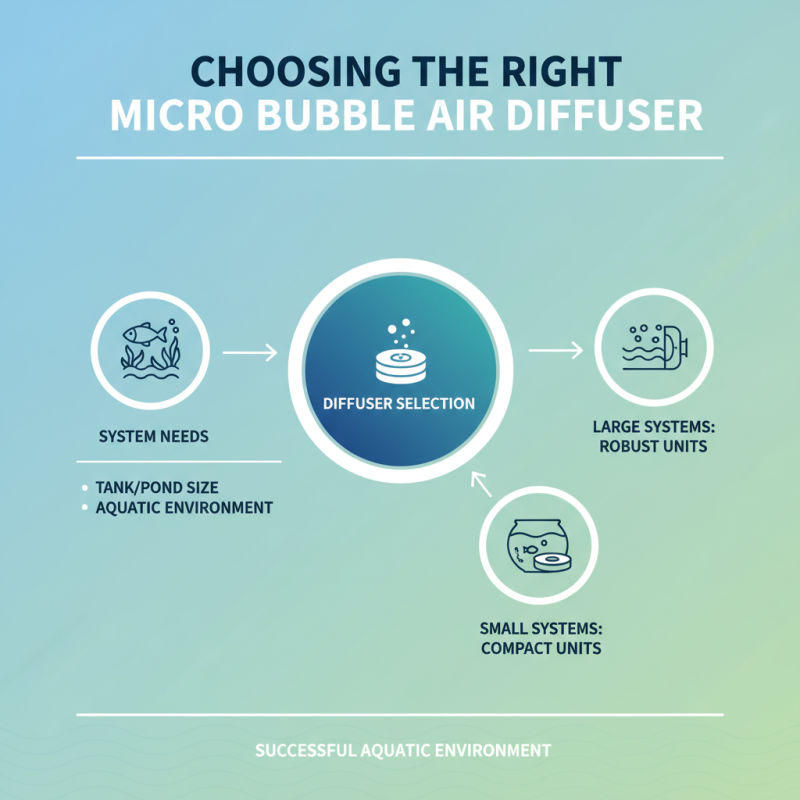
Lastly, users may struggle with the placement of diffusers. Incorrect positioning can lead to poor circulation and uneven oxygen distribution. Data indicates that proper installation can improve system efficiency by up to 50%. Don’t ignore the specifics of your installation site. Evaluate the depth and flow patterns before deciding on the diffuser's location.