2026 How to Choose the Best Membrane Air Diffuser for Your Needs?
Choosing the right Membrane Air Diffuser can be a daunting task. Various factors influence the decision. Users often feel overwhelmed by the options available. Understanding your specific needs is crucial.
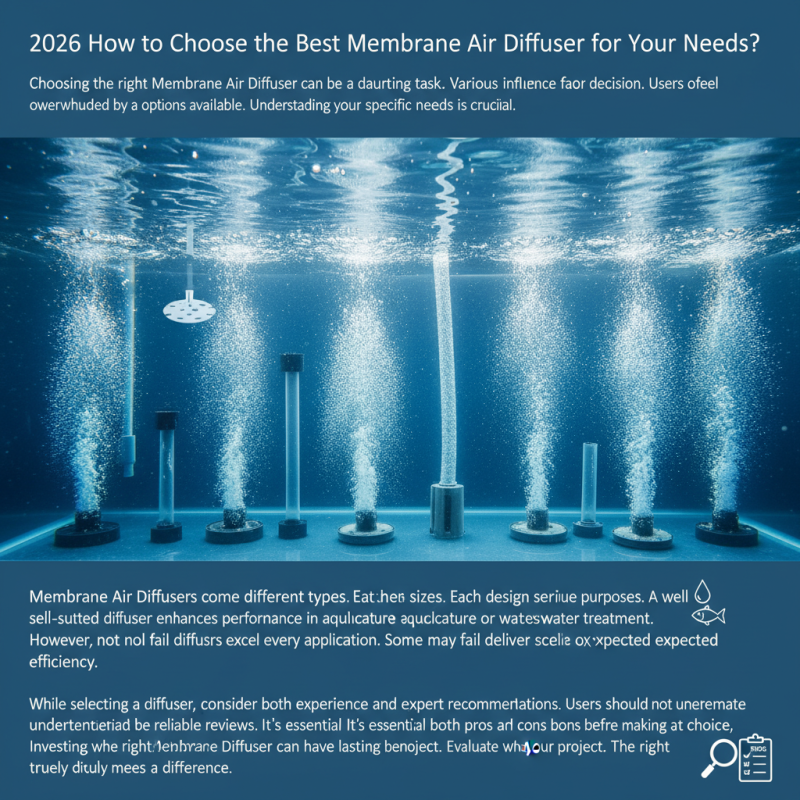
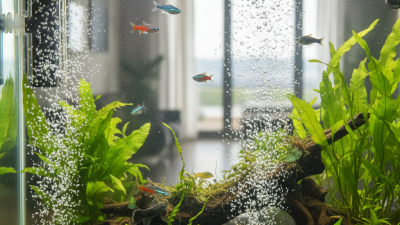
Membrane Air Diffusers come in different types and sizes. Each design serves unique purposes. A well-suited diffuser enhances performance in aquaculture or wastewater treatment. However, not all diffusers excel in every application. Some may fail to deliver the expected efficiency.
While selecting a diffuser, consider both experience and expert recommendations. Users should not underestimate the importance of reliable reviews. It’s essential to weigh both pros and cons before making a choice. Investing in the right Membrane Air Diffuser can have lasting benefits. Evaluate what matters most for your project. The right diffuser truly makes a difference.
Understanding Membrane Air Diffusers: An Overview
Membrane air diffusers play a crucial role in various applications, from aquaculture to wastewater treatment. Understanding their design and function is essential for selecting the right type. These devices work by introducing fine bubbles into water, enhancing oxygen transfer rates. They are often preferred for their efficiency and durability. However, not all diffusers are created equal.
When choosing a diffuser, consider the specific requirements of your system. Look at factors like depth, water temperature, and air flow rates. Each application may demand different performance characteristics. A diffuser that works well in one context may fall short in another. This variation often leads to challenges.
Tip: Regular maintenance can significantly increase the lifespan of your diffusers. Clean them periodically to prevent fouling.
Efficiency is also important. Some diffusers perform better at lower air pressures. Evaluate your setup to ensure compatibility. An incompatible diffuser can lead to poor performance, wasting resources.
Tip: Always test new diffusers in a controlled environment before full-scale implementation. This helps in understanding their behavior.
In conclusion, taking the time to understand membrane air diffusers will yield better outcomes. It’s crucial to question assumptions about efficiency and compatibility. Embrace a learning mindset and continuously seek improvements.
Types of Membrane Air Diffusers and Their Applications
Membrane air diffusers play a vital role in various applications, particularly in wastewater treatment and aquaculture. There are primarily two types: fine bubble and coarse bubble diffusers. Fine bubble diffusers produce smaller bubbles, which enhance oxygen transfer efficiency. According to industry reports, fine bubble systems can achieve up to 90% oxygen transfer efficiency, benefiting environments that require high dissolved oxygen levels.
Coarse bubble diffusers, on the other hand, create larger bubbles. They are typically less efficient but excel in applications where rapid mixing is needed. For instance, their efficiency can range from 60-70%. These diffusers are ideal for shallow basins or where sediment needs to be disturbed.
Choosing the right type depends heavily on specific operational needs and budget constraints. Understanding the required oxygenation level is essential. It’s important to recognize that while fine bubble diffusers save energy, their installation can be more complex and costly. There could also be maintenance challenges due to clogging. Evaluating the operational environment and flow patterns will inform the best choice for efficiency and cost-effectiveness.
2026 How to Choose the Best Membrane Air Diffuser for Your Needs?
This chart displays the performance metrics of different types of membrane air diffusers, assessing their efficiency in various applications such as wastewater treatment. The ratings reflect their operational capabilities in terms of bubble size, airflow, and energy efficiency.
Key Factors to Consider When Choosing a Membrane Air Diffuser
When selecting a membrane air diffuser, understanding key factors is crucial. Membrane materials differ significantly in durability and performance. High-quality membranes can last up to five years, while others may fail within months. This longevity impacts operational costs directly, making it essential to invest wisely.
Airflow rate is another critical consideration. Reports indicate optimal airflow for most applications ranges from 1.5 to 2.5 cubic meters per hour. Diffusers that exceed this rate may lead to increased turbulence. Conversely, insufficient airflow can cause dead zones. Finding the right balance is key for achieving efficient aeration.
Lastly, consider installation and maintenance aspects. Some designs require more effort to install and may need frequent cleaning. If maintenance expertise is lacking, choose models that allow for easy access. The wrong choice can lead to inefficient performance and wasted resources. Keeping these factors in mind helps ensure the selected diffuser meets the specific needs effectively.
Maintaining and Caring for Your Membrane Air Diffuser
Maintaining and caring for your membrane air diffuser is crucial for its long-term performance. According to industry reports, regular maintenance enhances oxygen transfer efficiency by up to 30%. Over time, contaminants can build up in the membranes, affecting airflow and overall efficiency. Therefore, it's essential to inspect and clean the diffuser regularly.
Tip: Schedule a cleaning every three to six months. Use a gentle cleaning solution to avoid damaging the membranes. Inspect for wear and tear during each cleaning session. If you notice significant blockages or damage, it's wise to consider replacement.
A poorly maintained diffuser can lead to increased energy costs. Studies reveal that neglected diffusers can diminish performance by nearly 25%. Inadequate care results in wasted energy, which can impact your bottom line. Always monitor the system's performance. This ensures that any issues are addressed promptly before they escalate and incur higher costs.
Tip: Maintain a log of maintenance activities. This helps track the frequency of cleanings and performances. Consider it as a reference to identify trends over time. Regular monitoring can lead to better decision-making regarding maintenance schedules.
2026 How to Choose the Best Membrane Air Diffuser for Your Needs? - Maintaining and Caring for Your Membrane Air Diffuser
| Feature |
Description |
Maintenance Tips |
| Material |
High-quality, durable polymer |
Inspect regularly for wear and tear |
| Airflow Rate |
Measured in cubic feet per minute (CFM) |
Adjust for optimal performance |
| Size |
Available in various sizes to fit different tank dimensions |
Choose size according to tank volume for efficiency |
| Installation |
Easy to install with minimal tools |
Follow installation guidelines thoroughly |
| Lifespan |
Typically lasts 3-5 years depending on usage |
Replace promptly when performance diminishes |
| Noise Level |
Generally low noise output to avoid disturbances |
Check for possible leaks if excessive noise occurs |