Continuous Screw Press Tips for Maximizing Efficiency and Output?
The efficiency and output of the Continuous Screw Press are critical in various industries, especially in food processing and biomass extraction. According to a report from MarketsandMarkets, the global continuous screw press market is projected to reach $1.1 billion by 2025, growing at a CAGR of 6.2%. This growth highlights the increasing demand for more efficient processing equipment.
Expert insights from Dr. Emily Thornton, a leading authority in mechanical engineering, underline this trend: "Maximizing the output of a Continuous Screw Press can transform operational efficiencies." Her expertise emphasizes the importance of optimizing the design and maintenance of these machines.
Despite the advancements, many operators still face challenges in achieving peak performance. Frequent downtime and improper settings can undermine efficiency. It's crucial to address these issues and implement strategic improvements. This allows businesses to not only enhance their productivity but also ensure a more sustainable approach in their operations.
Overview of Continuous Screw Press and Its Applications
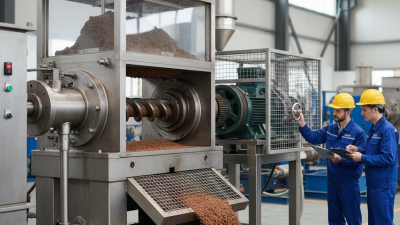
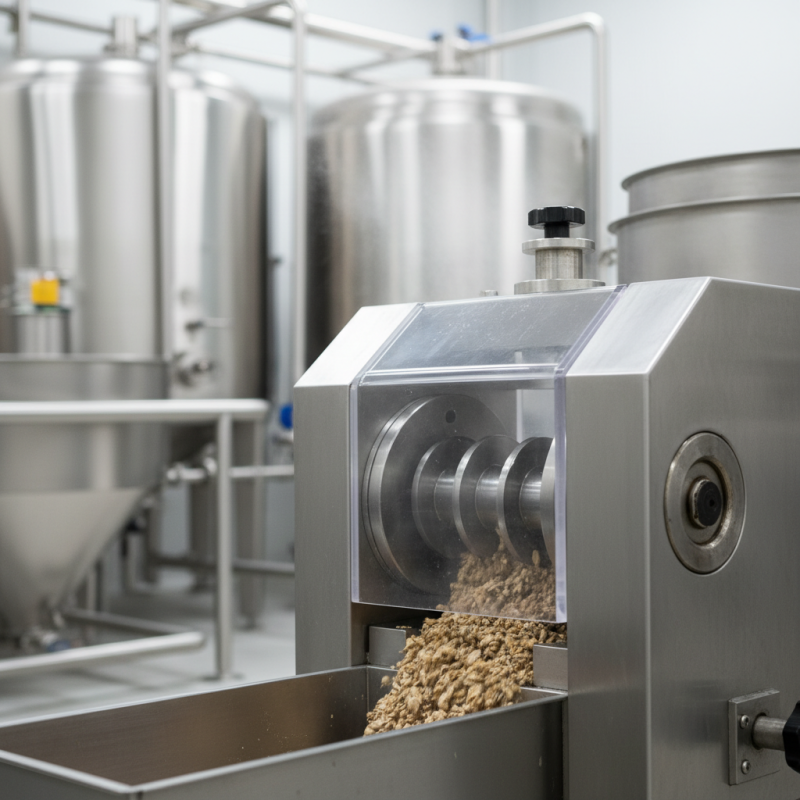
The continuous screw press is a vital machine in various industries, primarily used for separating solids from liquids. Its applications range from food processing to wastewater treatment. According to a recent industry report, the efficiency of these presses can reach up to 95%, greatly enhancing operational productivity. This level of efficiency is particularly advantageous in high-throughput environments, where output quality is non-negotiable.
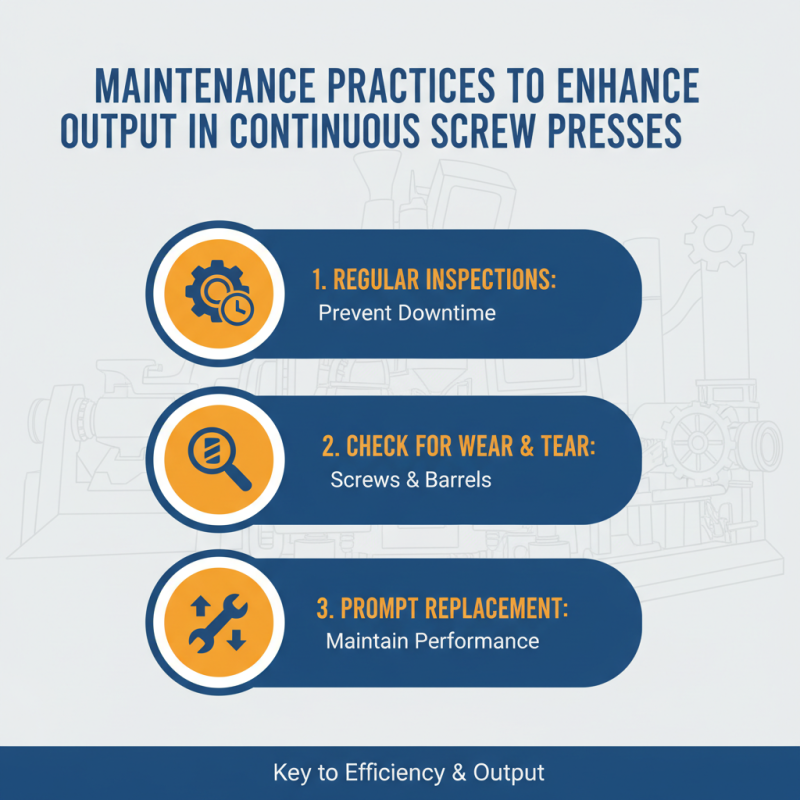
To maximize the performance of a continuous screw press, regular maintenance is essential. Operators should frequently check for wear and tear on components. Even a small misalignment can lead to significant losses in efficiency. Setting the right pressure and temperature settings is also crucial. Data suggests that optimal performance often requires adjustments based on the specific material being processed.
Another tip is to monitor the feed rate closely. Feeding too quickly can overwhelm the system, resulting in jams. Conversely, too slow can hinder the output. Keeping a balanced feed rate improves the overall performance of the press. Additionally, understanding the material characteristics plays a significant role. Each material behaves differently, influencing the overall effectiveness of the pressing operation.
Key Factors Affecting Efficiency in Continuous Screw Press Operations
Efficiency in continuous screw press operations hinges on several key factors. Understanding these elements can significantly enhance output and overall performance.
One major consideration is the feed rate. An optimal feed rate ensures that material is consistently processed without overloading the machine. Reports indicate that adjusting the feed rate by just 10% can lead to a 15% increase in throughput, showcasing the importance of this variable.
Another crucial factor is the temperature during processing. Maintaining an ideal temperature range helps enhance the fluidity of materials. Data from industry studies reveal that operating within a precise temperature window can improve oil extraction yields by up to 20%. However, maintaining this temperature may require constant monitoring and control, which can be challenging.
Lastly, the quality of the raw materials used directly impacts efficiency. Contaminated or inconsistent feedstock can result in subpar output. Research shows that using high-quality inputs can enhance output by 25%. Regular quality assessments are essential for maintaining the integrity of the production process.
Adopting these practices can lead to significant improvements, but they demand continuous evaluation and adjustment in operations.
Tips for Optimizing Feed Rate and Material Quality in Processing
Optimizing the feed rate and material quality is crucial for maximizing the efficiency and output of continuous screw presses. Studies show that adjusting the feed rate can lead to a 15% increase in throughput. This data underscores the importance of precise calibration. Too fast a feed rate may overload the system. Conversely, too slow a rate could impede performance and yield lower quality outputs.
Material quality directly influences the overall efficiency. Different materials require tailored adjustments. For instance, finer materials often necessitate a slower feed rate for better handling and compaction. Reports indicate that maintaining a consistent moisture content in material can improve extraction rates by up to 20%. However, achieving this consistency can be challenging, as material variations often lead to inefficiencies.
Regular monitoring of processing conditions plays a vital role. Sensor technology can help track variables like temperature and pressure in real-time. These insights allow operators to identify potential issues before they escalate. Implementing a feedback loop based on this data can further enhance performance. It’s essential to remain flexible and adjust parameters as needed. Mistakes in feed rates or material handling may occur, but learning from these experiences is fundamental for continuous improvement.
Continuous Screw Press Tips for Maximizing Efficiency and Output
| Parameter |
Optimal Value |
Notes |
| Feed Rate (kg/hr) |
500 - 800 |
Adjust based on material viscosity |
| Screw Speed (rpm) |
50 - 100 |
Higher speeds can improve output but may affect quality |
| Temperature (°C) |
60 - 90 |
Optimal for material flow and extraction efficiency |
| Moisture Content (%) |
< 10 |
Lower moisture leads to better pressing |
| Material Quality |
High |
Ensure uniformity for optimal performance |
| Pressure (bar) |
30 - 50 |
Monitor to avoid clogging |
Strategies for Monitoring and Analyzing Performance Metrics
Monitoring and analyzing performance metrics is crucial for optimizing continuous screw press operations. A study from the American Society of Mechanical Engineers found that proper performance tracking can increase efficiency by up to 25%. Operators should focus on key metrics such as throughput, energy consumption, and moisture content. Regularly assessing these parameters can reveal inefficiencies that otherwise go unnoticed.
Implementing real-time monitoring systems can enhance data accuracy. Continuous data collection allows operators to make informed decisions quickly. For instance, adjusting parameters based on moisture content can lead to a more consistent output. However, maintaining this system requires ongoing training. Employees must be skilled in interpreting data and implementing changes.
Feedback loops are essential for long-term improvement. Regularly scheduled analysis sessions can help teams identify recurring issues. Adjustments based on these discussions may not show immediate results, but they support sustainable practices. Engaging everyone in performance reviews fosters a culture of accountability. Continuous learning from both successes and failures drives operational excellence.
Continuous Screw Press Performance Metrics