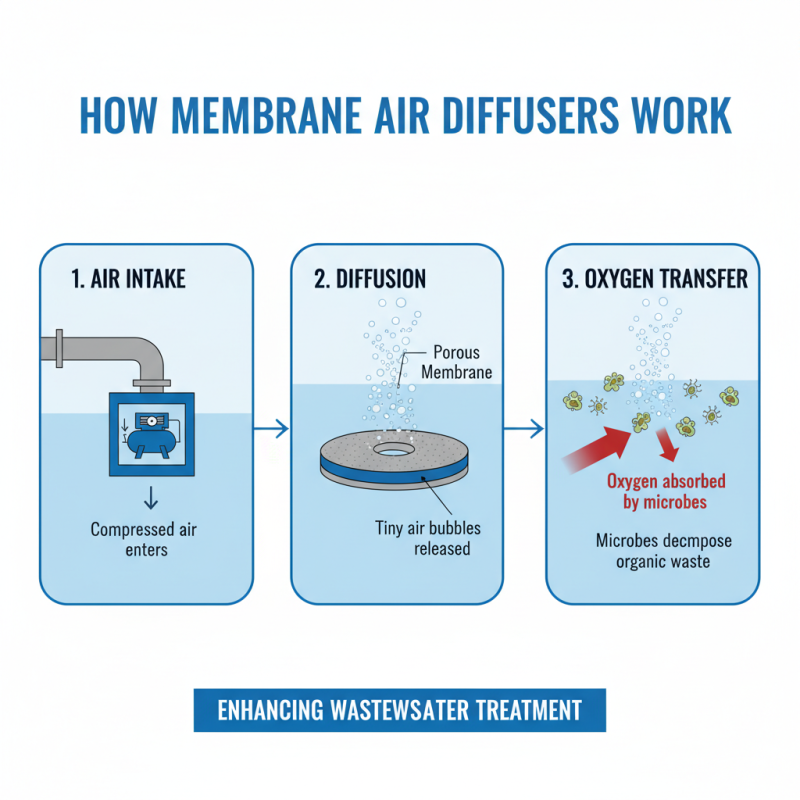
The Membrane Air Diffuser is a critical component in modern wastewater treatment and aquaculture systems. Its design is simple yet effective, providing essential aeration to support aerobic processes. According to a recent report by the Environmental Protection Agency, the efficiency of membrane diffusers can enhance oxygen transfer rates by up to 30% compared to traditional methods. This improvement is crucial for optimizing biological treatment processes.
Industry expert Dr. Emily Thompson, a leading researcher at the Water Quality Institute, emphasizes the importance of this technology. She stated, "Membrane Air Diffusers are revolutionizing wastewater treatment by improving efficiency and reducing operational costs." Such statements highlight the growing reliance on this equipment within the industry.
However, challenges persist. Installation and maintenance require careful planning and skilled personnel. Additionally, some users report varying performance based on water conditions. Understanding these nuances is vital for maximizing the benefits of Membrane Air Diffusers. By addressing shortcomings and focusing on innovation, the industry can push forward into more sustainable practices.
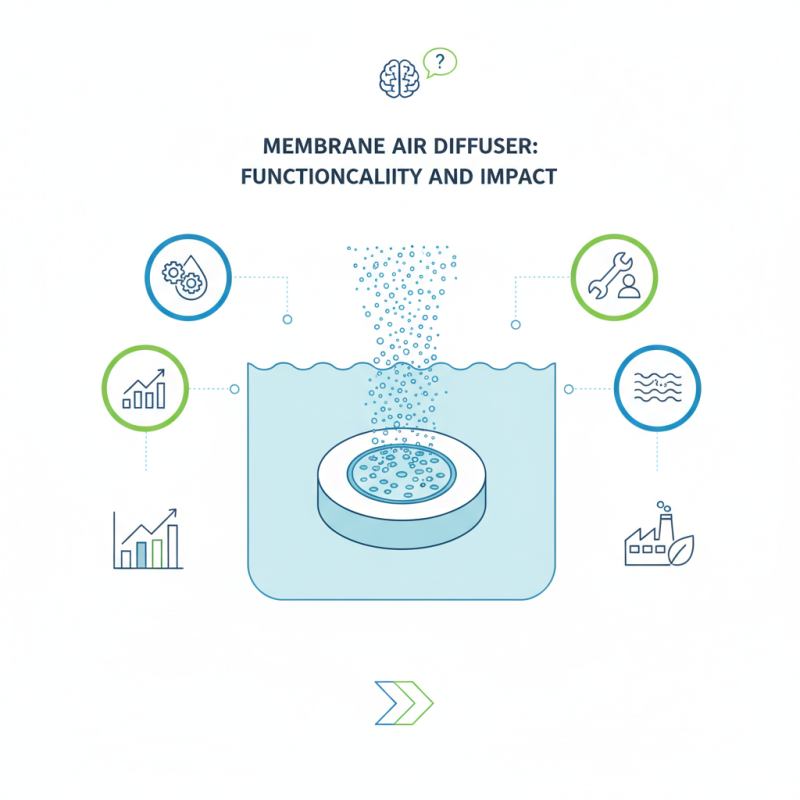
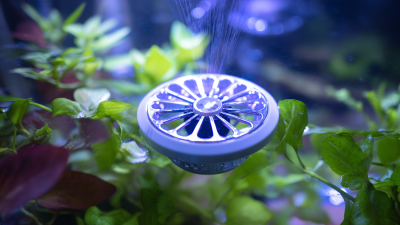
A membrane air diffuser is a device used to introduce air into water systems. It consists of a porous membrane, which allows air bubbles to escape into the liquid. These diffusers are common in aquaculture, wastewater treatment, and industrial processes. They promote efficient oxygen transfer, essential for biological processes in water.
The working principle is straightforward. Compressed air is supplied to the diffuser through pipes. As air passes through the membrane, tiny bubbles form. These bubbles rise to the surface, releasing oxygen in the water. Factors such as bubble size and air flow rate influence the efficiency of this process. Often, users may find that adjusting these parameters improves oxygen uptake and reduces energy consumption.
However, installation and maintenance pose challenges. Membranes can clog over time, reducing effectiveness. Regular cleaning and monitoring are necessary to maintain performance. Many users struggle with determining the right cleaning frequency. This trial and error can lead to inconsistencies in system performance. Balancing cost and efficiency requires careful consideration, making it a complex choice for many settings.
| Parameter | Description |
|---|---|
| Type | Membrane Diffuser |
| Material | Flexible Polymer |
| Typical Application | Wastewater Treatment |
| Air Flow Rate | 0.5 - 2.0 scfm |
| Bubble Size | Fine to Medium Bubbles |
| Efficiency | High Oxygen Transfer Efficiency |
| Lifespan | 5-10 years depending on usage |
| Maintenance | Low, requires occasional cleaning |
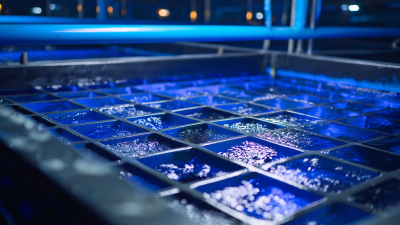
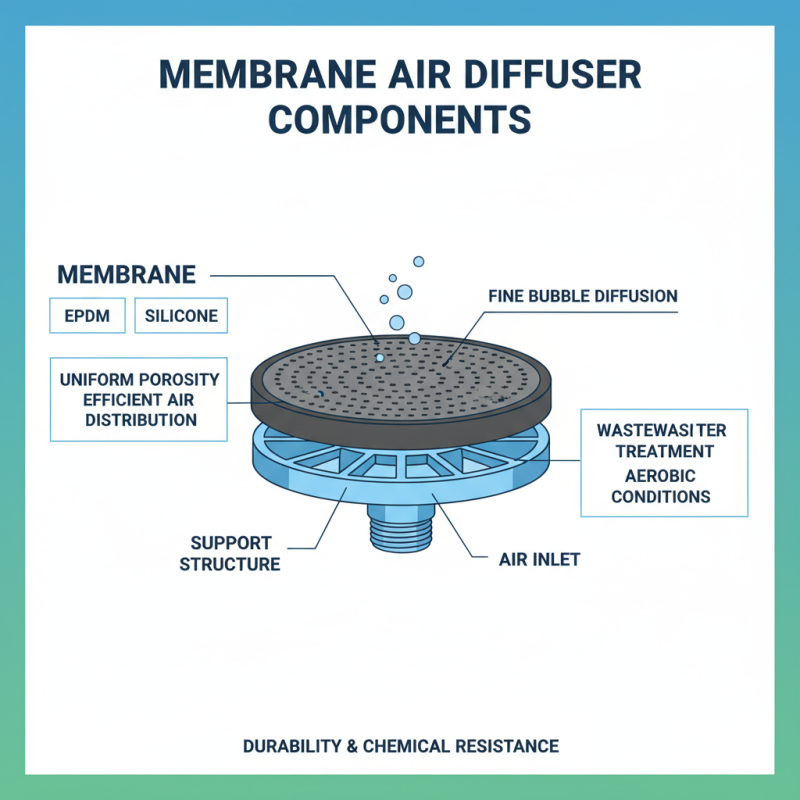
Membrane air diffusers are crucial in wastewater treatment systems. They consist of several key components. The most significant part is the membrane itself, which can be made from materials such as EPDM or silicone. These materials are designed to provide durability and resistance to chemical degradation. The uniform porosity of the membrane allows for efficient air distribution. This is essential for maintaining optimal aerobic conditions for microbial activity.
Another important component is the diffuser base. Often constructed from stainless steel or PVC, it supports the membrane while aiding in air flow. The air delivery system channels compressed air to the diffuser effectively. Research indicates that using high-quality diffusers can improve oxygen transfer efficiency by 20-30%. This enhances the overall performance of treatment plants.
Tip: Regular maintenance of membrane air diffusers can significantly impact their efficiency. Cleaning or replacing membranes every few months is essential as biofouling can occur.
Microbubble technology is another area of development. Microbubbles produced by finer membranes can improve oxygen transfer rates even further. However, achieving ideal bubble size remains a challenge. Operators must monitor performance closely and adjust systems as needed.
Tip: Invest time in monitoring air flow rates and bubble size. Inefficiencies can lead to increased operational costs.
Membrane air diffusers are essential in wastewater treatment. They enhance oxygen transfer to microbes, which decompose organic waste. These diffusers use a thin, porous membrane to release air bubbles into the water. The bubbles rise and increase the contact area for oxygen absorption.
Research indicates that membrane diffusers can achieve up to 90% oxygen transfer efficiency. This efficiency can reduce energy costs. However, the performance can vary based on factors such as water temperature and salinity. It's important to monitor these conditions to maintain optimal performance.
Microbial health is influenced by the quality of diffusion. Poorly maintained diffusers can lead to biofilm buildup. This debris can reduce air flow and efficiency. Regular cleaning and maintenance are crucial. Operators should be mindful of these issues to ensure sustainable operations.
Membrane air diffusers are vital in various industries. They serve to enhance aeration in treatment processes. In wastewater treatment plants, they provide efficient oxygen transfer. This aids in the breakdown of organic materials.
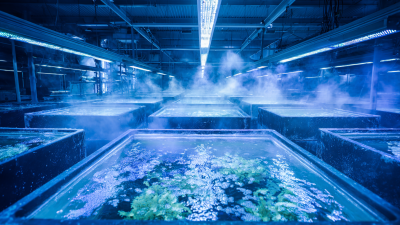
In the aquaculture sector, these diffusers help maintain water quality. They deliver oxygen directly into water systems. This promotes healthy fish growth. Membrane diffusers also find applications in industrial processes, enhancing efficiency. The uniform distribution of air improves mixing and oxygenation.
Tips: Ensure regular maintenance of membrane diffusers. Clogged diffusers can reduce effectiveness. Monitor the airflow rates to maintain optimal performance. Consider environmental factors, such as temperature and water clarity. Adjustments may be needed for different settings.
In food processing, these devices help in fermentation. The right oxygen levels are critical for yeast activity. This can impact the flavor and quality of products. Remember, an improperly functioning diffuser can lead to inconsistencies. Regular checks on equipment can reveal hidden issues.
Membrane air diffusers play a critical role in various processes, particularly in aquaculture and wastewater treatment. Regular maintenance ensures optimal performance and longevity. One common issue is clogging, which often occurs due to debris buildup. Regular inspection of the membranes is essential. If you notice decreased air output, it may indicate a blockage. Clean or replace the membrane as needed.
Another area to focus on is the air distribution system. Ensure that the air blower operates correctly. This includes checking for leaks in the piping. Leakage can lead to inadequate aeration. Regularly assess connections and seals. Tighten or replace any loose fittings to prevent air loss.
Tips:
Consider keeping a maintenance log to track inspections and repairs. This practice can reveal patterns in performance issues. Pay attention to clogs; timely response can save costs later. Additionally, observe water quality closely. Changes may hint at diffuser issues. Always prioritize safety when performing any maintenance tasks.