What is a Membrane Dosing Pump and How Does It Work?
In the world of fluid management, the Membrane Dosing Pump stands out for its precision and reliability. Dr. Emily Carter, a leading expert in hydraulic systems, says, “Membrane Dosing Pumps are key in maintaining consistent chemical dosing.”
These pumps utilize a flexible membrane to dispense precise amounts of fluid. Such accuracy is vital in various industries, including water treatment and pharmaceuticals. Understanding how a Membrane Dosing Pump operates can lead to more efficient processes.
However, users often overlook the importance of maintenance. Neglecting regular checks can lead to performance issues. Identifying early signs of wear is crucial. This understanding fosters a culture of continual reflection on operational practices.
Definition and Functionality of Membrane Dosing Pumps
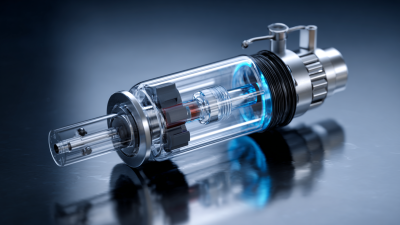
Membrane dosing pumps play a crucial role in various industries. These pumps are designed to deliver precise amounts of liquids. They work based on a flexible diaphragm that creates a chamber for fluid transfer. This design allows for accurate dosing without contaminating the fluid.
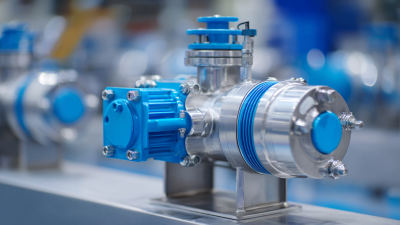
The functionality of membrane dosing pumps is both simple and complex. They use a motor to move the diaphragm, which creates suction and pressure. This movement draws in the liquid and then pushes it out through the discharge valve. What’s interesting is that this mechanism can handle a variety of fluids, from water to chemicals.
However, not everything is perfect. Some users struggle with calibration. This can affect precision, leading to potential errors in dosing. Additionally, the diaphragm material can wear out over time. Regular maintenance is essential but often overlooked. These challenges require attention and periodic checks to ensure optimal performance.
Membrane Dosing Pump Performance Metrics
This chart illustrates the performance metrics of a membrane dosing pump, highlighting key factors such as flow rate, pressure, power consumption, and service life. Each metric provides insight into the operational effectiveness of membrane dosing pumps.
Key Components of Membrane Dosing Pumps
Membrane dosing pumps are widely used in various industries, including water treatment and chemical processing. These pumps play a critical role in delivering precise chemical doses. Understanding the key components of these pumps helps in grasping their operation.
The main component of a membrane dosing pump is the diaphragm. This flexible membrane separates the pump chamber from the fluid. It allows accurate movement of liquids without contamination. According to a recent industry report, diaphragm pumps can achieve flow rates between 0.1 to 1000 liters per hour. Valves are another crucial element. They control the flow direction and prevent backflow. The combination of membranes and valves ensures that the dosing process is reliable and efficient.
Furthermore, the pumps typically include a gearbox. It translates the motor's rotational motion into a linear stroke for the diaphragm. This mechanism is essential for maintaining flow stability. However, noise levels can be a concern with certain models. Additionally, regular maintenance is necessary to prevent wear and tear on components. This oversight can lead to inconsistent dosing. Thus, while these pumps are effective, users must be mindful of their upkeep.
Principles of Operation for Membrane Dosing Pumps
Membrane dosing pumps play an essential role in various industries. They are designed to deliver precise amounts of liquids. These pumps use a flexible membrane to create suction and pressure, ensuring accurate dosing. When the pump operates, the membrane flexes, pulling in fluid. As it flexes back, fluid is expelled with great precision.
In the chemical processing sector, these pumps are widely used. According to industry reports, membrane dosing pumps can achieve accuracy levels of ±1%. This precision makes them ideal for applications requiring strict adherence to dosages. Many plants utilize these pumps to maintain chemical balance in processes like pH control or sanitization.
Tips: Regular maintenance of your dosing pump is crucial. Check the diaphragm for wear and tear. This can prevent potential leaks or inaccuracies in dosing. Consider setting up a routine system check every few months.
Another point to consider is the flow rate. While most membrane dosing pumps can handle a wide range, it's vital to ensure the selected pump matches your specific needs. Oversizing can lead to inefficiencies, while undersizing can cause operational issues. Always review your operational requirements carefully.
Applications of Membrane Dosing Pumps in Various Industries
Membrane dosing pumps are essential tools in various industries. They provide precise and controlled fluid dosing. This helps maintain specific chemical concentrations. Chemical processing, water treatment, and food industries frequently use these pumps.
In water treatment, membrane dosing pumps add chemicals. This process removes impurities. They ensure accurate dosing of chlorine or other disinfectants. In the food industry, these pumps help mix flavors and preservatives. The consistency is crucial for product quality.
Tips: Regular maintenance is important. Check for leaks and wear frequently. This ensures optimal performance. Understand your fluid's properties. Adjust the pump settings accordingly. Not all pumps work the same way in every application. Choose wisely and monitor results regularly for best outcomes.
Advantages and Limitations of Using Membrane Dosing Pumps
Membrane dosing pumps are popular in various industries. They offer precise fluid dispensing. This accuracy is vital in processes like water treatment or chemical processing. However, they come with both advantages and limitations.
One significant advantage is their ability to handle corrosive fluids. The pump's membrane acts as a barrier. It prevents the fluid from contacting the pump's internal components, reducing wear. They also have a self-priming feature, making them user-friendly. Yet, users often overlook their sensitivity to pressure changes. This can lead to inaccurate dosing.
Maintenance can be a challenge as well. Membrane wear requires regular checks to ensure reliability. A worn membrane might cause leakage. This not only affects the process but also leads to environmental concerns. Users need to find a balance between efficiency and upkeep, constantly evaluating performance.