What is a Micro Bubble Air Diffuser and How Does It Work?
In recent years, the Micro Bubble Air Diffuser has gained significant attention in various industries. This innovative technology enhances water treatment and improves oxygen transfer efficiency. According to Dr. Emily Carter, a leading expert in environmental engineering, "Micro Bubble Air Diffusers revolutionize how we manage water quality." Her insights underscore the technology’s effectiveness.
Micro Bubble Air Diffusers create tiny bubbles, increasing surface area and promoting better oxygen absorption. The process is not perfect, though. Efficiency can fluctuate based on several factors, like water temperature and bubble size. Understanding these dynamics is crucial for optimizing performance. Many operators face challenges in installation and maintenance, which can undermine the expected benefits.
A common misconception is that all air diffusers function the same way. This notion can lead to ineffective choices in different applications. A tailored approach is necessary for optimal results. By examining these intricacies, we can refine our understanding of the Micro Bubble Air Diffuser and its potential impact on environmental sustainability.
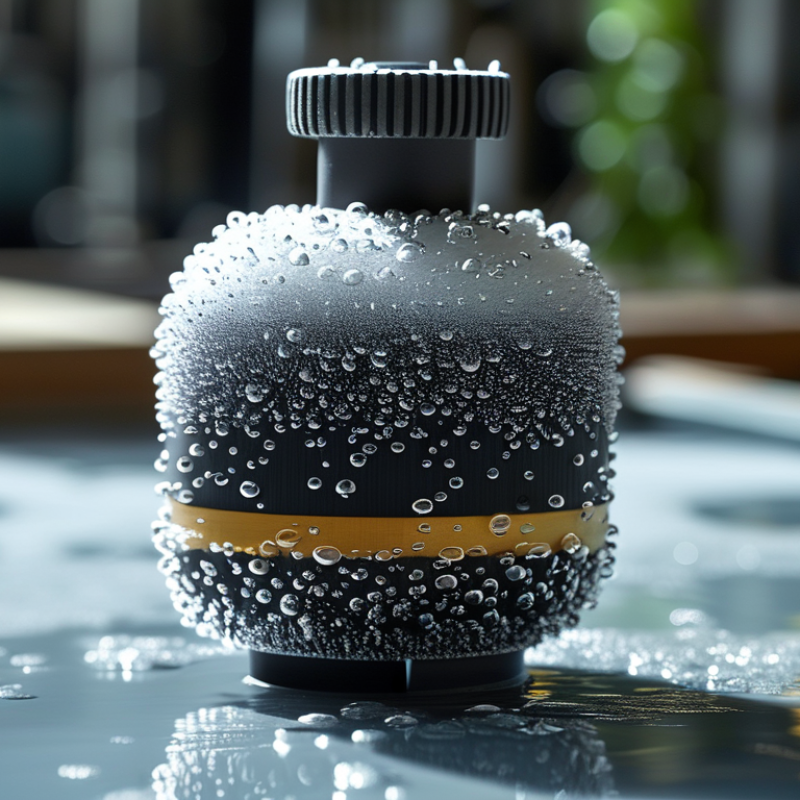
What is a Micro Bubble Air Diffuser?
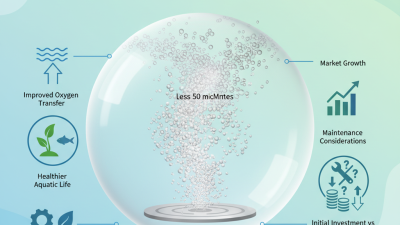
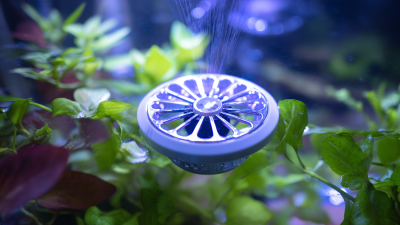
A micro bubble air diffuser is an innovative device specifically designed for aquaculture, wastewater treatment, and aquariums. It produces tiny air bubbles, often as small as 50 microns in diameter. These bubbles increase the surface area for oxygen transfer in water, making them highly efficient.
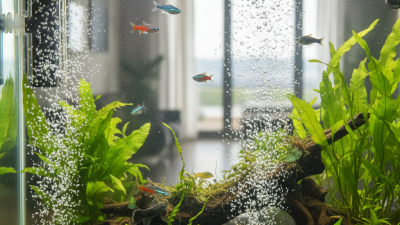
When air is forced through the diffuser, it creates microbubbles that rise slowly. This slow ascent allows for more time to dissolve oxygen into the water. Consequently, fish and aquatic plants benefit from improved oxygen levels. More oxygen means healthier ecosystems, which is vital for sustaining life in these environments.
However, the design and placement of micro bubble diffusers require careful consideration. Inadequate installation can lead to uneven oxygen distribution, defeating their purpose. Some users report mixed results with effectiveness, suggesting a need for more research. Overall, while micro bubble air diffusers show promise, understanding their limitations is crucial for achieving optimal performance.
What is a Micro Bubble Air Diffuser and How Does It Work?
| Feature |
Description |
| Type |
Micro Bubble Air Diffuser |
| Size of Bubbles |
Less than 50 microns |
| Applications |
Aquaculture, wastewater treatment, and pond aeration |
| Benefits |
Improved oxygen transfer efficiency, reduced energy consumption, and better water quality |
| Mechanism |
Creates micro bubbles through fine pore diffusion technology |
| Maintenance |
Regular cleaning of diffuser to prevent clogging |
The Technology Behind Micro Bubble Air Diffusers
Micro bubble air diffusers utilize advanced technology to improve water treatment processes. They generate tiny bubbles, typically less than 50 microns in diameter, which facilitate better oxygen transfer. According to industry reports, micro bubble systems can increase oxygen transfer efficiency by up to 90%. This efficiency makes them a vital tool in aquaculture, wastewater treatment, and other applications, promoting healthier ecosystems.
The core technology behind micro bubble diffusers involves specialized designs that optimize the production of micro bubbles. These diffusers operate under pressure, forcing air through porous membranes. The result is a consistent release of micro bubbles that rise slowly, allowing for greater contact time with the water. Research indicates that systems employing micro bubbles can reduce energy costs by 30% compared to traditional methods. However, while this technology shows promise, not every application may benefit equally. Some installations face challenges, such as bubble coalescence, leading to inefficiencies.
Moreover, the effectiveness of micro bubble diffusers can vary based on water chemistry and flow dynamics. Detailed analyses highlight that certain conditions could hinder bubble performance. In these cases, adjustments may be necessary to achieve optimal outcomes. Awareness of these challenges is crucial for operators looking to maximize the benefits of their systems. Accurate monitoring and periodic assessments can lead to improved operational efficiencies.
Advantages of Using Micro Bubble Air Diffusers in Aquatic Systems
Micro bubble air diffusers are innovative tools used in aquatic systems. These diffusers generate tiny bubbles, which have a larger surface area compared to larger bubbles. This design enhances oxygen transfer efficiency in water, leading to improved aquatic life health. According to recent studies, micro bubbles can increase oxygen levels by up to 30% more than traditional diffusers. This can significantly reduce stress on fish and foster better growth rates.
In addition to boosting oxygenation, micro bubble air diffusers aid in water circulation. The rising bubbles create movement, which helps distribute nutrients evenly. This process can enhance the overall stability of the aquatic environment. Reports show that maintaining stable water conditions can reduce disease outbreaks in fish populations. However, some challenges arise with maintenance and operating costs, as not all facilities can effectively integrate these systems.
Using micro bubble technology also has implications for nutrient management. These diffusers can assist in breaking down organic matter, potentially reducing harmful buildup. Yet, the evolution of technology means continuous adaptation is necessary. As environments change, so too must the methods we use to manage them. This ongoing process is essential for maximizing the effectiveness of micro bubble air diffusers in aquaculture.
Applications of Micro Bubble Air Diffusers in Various Industries
Micro bubble air diffusers are gaining traction in diverse industries. These devices generate fine bubbles that enhance oxygen transfer in water. They are particularly useful in aquaculture, wastewater treatment, and industrial applications. For instance, a study reported that micro bubble aeration increases oxygen transfer efficiency by up to 30% compared to standard methods. This improvement can significantly boost the growth rates of fish and other aquatic organisms.
In wastewater treatment, micro bubble diffusers help in breaking down organic waste. Data from the
Environmental Protection Agency (EPA) indicates that improved oxygenation can reduce sludge production by up to
50%. However, the implementation of this technology requires careful consideration of system design and operational parameters. Miscalculations can lead to inefficiencies or excessive energy consumption, which might negate the benefits.
In the food processing sector, micro bubbles are used to enhance cleaning processes. The bubbles can effectively target and remove contaminants from surfaces. Research reveals that this method can reduce cleaning time by nearly
40%. While promising, the technology still needs more data to evaluate long-term effects on product quality. Experimentation and adjustments may still be necessary to fully realize benefits in different environments.
Maintenance and Care for Micro Bubble Air Diffusers
Micro bubble air diffusers enhance aeration in aquatic systems, but they require proper maintenance for optimal performance. Regular cleaning is crucial, as organic matter can clog the diffuser pores. According to industry data, clogged diffusers can reduce efficiency by up to 30%. Rinsing with fresh water and gentle scrubbing helps prevent buildup. This requires minimal time investment but maximizes the diffuser's lifespan and efficiency.
Monitoring the air supply is essential. An inconsistent air supply can lead to uneven bubble distribution. Regular checks on compressors and tubing can help identify leaks or weaknesses. Data indicates that maintaining a stable airflow improves oxygen transfer rates significantly. Users should also inspect fittings and connections to prevent pressure loss. Keeping the system in good condition is an ongoing effort that rewards users with better results.
Even with proper care, issues may arise. Diffusers can wear out over time. It’s important to track the performance trends of your air diffuser. Replacing worn parts promptly can prevent larger issues. Routine evaluation ensures the system operates at peak efficiency. Taking these small steps can lead to significant benefits in system health.
Micro Bubble Air Diffuser Efficiency Comparison