Top Benefits of Using Micro Bubble Air Diffuser for Aquarium Health
In the world of aquaculture and aquarium maintenance, the health of aquatic life is paramount. One revolutionary tool that has garnered attention from industry professionals is the Micro Bubble Air Diffuser. Renowned aquarist and environmental biologist Dr. Emily Carter emphasizes the significance of using this innovative technology, stating, "The Micro Bubble Air Diffuser is a game-changer in enhancing water quality and promoting the well-being of fish and other marine organisms."
The Micro Bubble Air Diffuser operates by producing tiny air bubbles that increase oxygen levels and improve water circulation, which are crucial for maintaining a balanced aquatic ecosystem. This technology not only aids in oxygenation but also contributes to the removal of harmful substances, creating a healthier environment for fish and plants alike. By integrating a Micro Bubble Air Diffuser into an aquarium setup, hobbyists can ensure optimal living conditions, leading to improved growth rates and reduced stress in aquatic inhabitants.
As more aquarium enthusiasts recognize the advantages of adopting the Micro Bubble Air Diffuser, it becomes clear that this tool is not just an accessory but an essential component of sustainable and efficient fishkeeping. With the endorsement of experts in the field, it is evident that this technology could redefine best practices in aquarium health management.
Top Advantages of Micro Bubble Air Diffuser for Enhanced Oxygenation
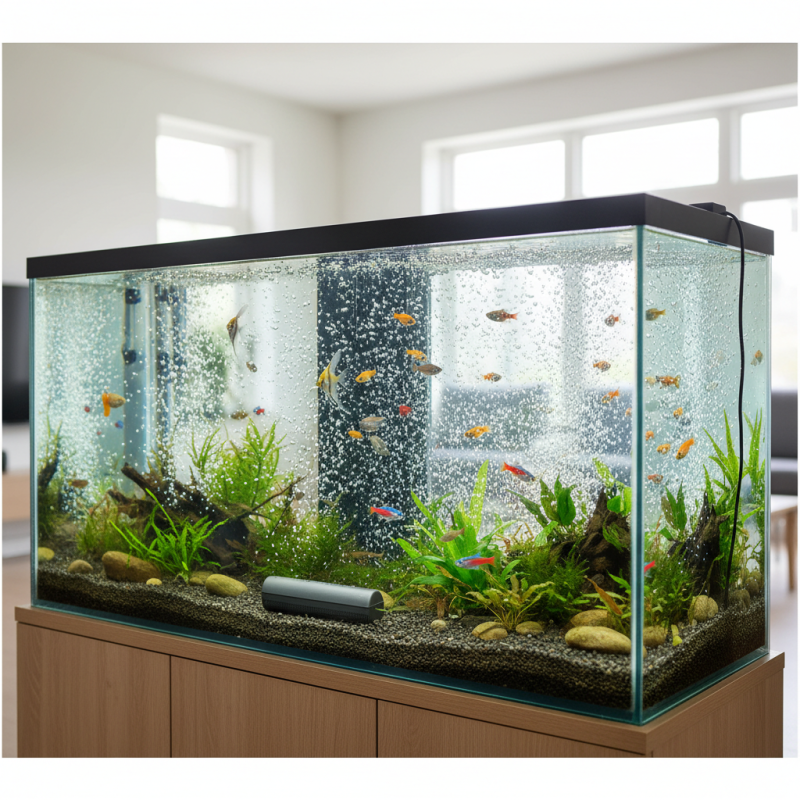
Micro bubble air diffusers have become vital tools for enhancing oxygenation in aquariums, significantly contributing to the overall health of aquatic ecosystems. These diffusers create tiny bubbles that increase the surface area for gas exchange, allowing more oxygen to dissolve into the water efficiently. The finer the bubbles, the more effective they are at optimizing oxygen levels, ensuring that all aquatic inhabitants receive the necessary amount of oxygen to thrive. This is particularly beneficial for densely populated tanks or systems with high oxygen demands.
Moreover, the use of micro bubble air diffusers also aids in improving water circulation. Enhanced circulation promotes the even distribution of oxygen throughout the aquarium, preventing dead zones where oxygen levels may be low. Additionally, the consistent movement of water helps in the dispersion of nutrients and the removal of waste products, creating a healthier environment for both fish and plants. Overall, integrating a micro bubble air diffuser not only enhances oxygenation but also contributes to a balanced and stable aquatic habitat.
Impact of Micro Bubbles on Fish Health and Behavior in Aquatic Environments
Micro bubbles, tiny air bubbles released into the aquarium water, have a profound impact on fish health and behavior. These micro bubbles dramatically increase the surface area for gas exchange, leading to improved oxygen levels in the water. Enhanced oxygenation is crucial for fish as it supports their metabolic processes, reduces stress levels, and fosters a healthier environment. Moreover, the presence of micro bubbles can stimulate natural behaviors in fish, encouraging activities such as foraging and breeding, thereby contributing to their overall wellbeing.
In addition to increasing oxygen levels, micro bubbles also help maintain water clarity by collecting and removing impurities. As these bubbles rise to the surface, they trap debris and pollutants, which can be easily removed through the filter system. This healthier water chemistry creates a more stable environment, promoting the growth of beneficial bacteria essential for the nitrogen cycle, further supporting the aquatic ecosystem.
Tips: To maximize the benefits of micro bubble air diffusers, consider strategically placing the diffuser in areas with high water circulation. Regular maintenance of the diffuser and the aquarium’s filtration system will ensure optimal performance. Additionally, monitor water parameters regularly to ensure a balanced environment that supports the health of your aquatic life.
Micro Bubble Diffusers vs. Traditional Aeration Systems: A Comparative Analysis
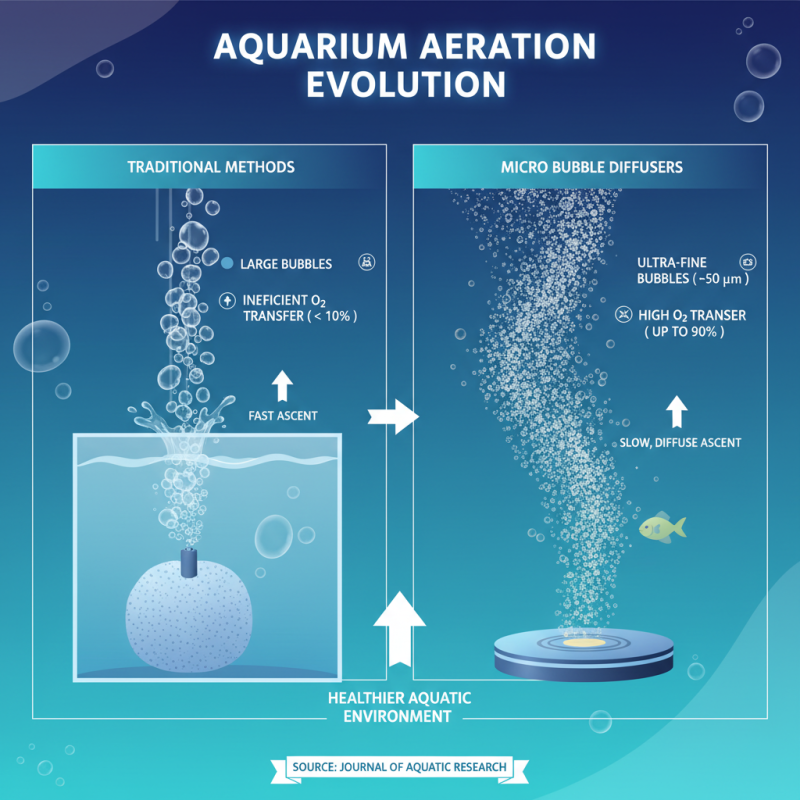
Micro bubble diffusers have gained significant attention within the aquarium community, primarily due to their innovative approach to aeration compared to traditional systems. Traditional aeration methods, such as air stones and surface agitators, invariably lead to larger bubbles that rise to the surface quickly, resulting in inefficient oxygen transfer and reduced water circulation. According to a report from the Journal of Aquatic Research, micro bubble diffusers can achieve up to 90% oxygen transfer efficiency due to their ability to produce bubbles as small as 50 microns. This increased efficiency not only enhances oxygenation but also supports a healthier environment for aquatic life.
When comparing micro bubble diffusers to traditional aeration systems, one key advantage is the granularity of gas dispersion. Traditional systems often require higher energy consumption to maintain adequate oxygen levels, while micro bubble diffusers utilize low-pressure pumps that can markedly reduce energy costs by 20-30%, as noted in a study by the Aquatic Engineering Group. Additionally, the smaller bubbles produced by micro bubble diffusers remain suspended in the water column for a more extended period, facilitating better distribution of oxygen and nutrients throughout the aquarium. This results in improved water quality and a more stable ecosystem, making micro bubble technology a viable option for both hobbyists and commercial aquaculture operations.
The Role of Micro Bubble Technology in Reducing Ammonia and Nitrate Levels
Micro bubble technology has emerged as a revolutionary method in maintaining aquarium health, particularly in managing ammonia and nitrate levels. As ammonia is highly toxic to fish, even at low concentrations, effective reduction methods are essential for sustainable aquatic environments. Research indicates that micro bubble diffusers can significantly enhance gas exchange and water circulation within the aquarium, promoting the breakdown of ammonia through biological filtration. A study published in the Journal of Aquatic Health highlighted that aquariums utilizing micro bubble systems saw up to a 70% reduction in ammonia levels within just a few days, compared to traditional aeration methods.
Furthermore, micro bubbles facilitate the reduction of nitrate levels, a common byproduct of fish waste and uneaten food. By enhancing the oxygenation of the water, these micro bubbles create an optimal environment for beneficial bacteria that convert nitrates into less harmful substances. According to a report from the Aquatic Research Society, aquariums equipped with micro bubble technology achieved a 50% decrease in nitrate concentration over a three-week period. This is vital for promoting the overall health of aquatic life, as elevated nitrate levels can lead to algal blooms and detrimental oxygen depletion.
Incorporating micro bubble air diffusers not only addresses the immediate challenges of ammonia and nitrate management but also contributes to long-term aquarium stability. As aquarists increasingly recognize the significance of water quality, adapting advanced technologies like micro bubbles proves to be a worthwhile investment for maintaining a thriving aquatic ecosystem.
Impact of Micro Bubble Technology on Water Quality in Aquariums
Cost-Effectiveness and Maintenance Benefits of Micro Bubble Air Diffusers
Micro bubble air diffusers have gained significant attention in the aquarium industry for their efficiency and cost-effectiveness. By producing tiny air bubbles, these diffusers enhance oxygen exchange in the water, thereby promoting healthier aquatic environments. Studies have shown that optimal oxygen levels are crucial for the health of fish and other aquatic organisms, as even slight decreases in oxygen can lead to stress and increased susceptibility to diseases. According to research conducted by the Aquatic Animal Health program, maintaining dissolved oxygen levels above 5 mg/L is essential to avoid harm to fish populations, making the implementation of micro bubble technology a sound investment for aquarium enthusiasts.
From a financial perspective, micro bubble air diffusers are not only efficient but also economical to maintain. Their design typically results in lower energy consumption compared to traditional diffusers, as they operate effectively at lower flow rates. A report from the International Journal of Aquatic Sciences indicates that micro bubble diffusers can reduce energy costs by up to 30%, which translates into savings over time. Furthermore, these diffusers require less frequent maintenance due to their durable materials and design, resulting in lower operational costs. This combination of reduced energy consumption and minimal maintenance underscores the cost-effectiveness of integrating micro bubble air diffusers into aquarium systems, making them an appealing choice for both hobbyists and professional aquarists alike.
Top Benefits of Using Micro Bubble Air Diffuser for Aquarium Health
| Benefit |
Description |
Cost-Effectiveness |
Maintenance Benefits |
| Improved Oxygenation |
Micro bubbles increase the surface area for gas exchange. |
Lower energy consumption compared to larger air pumps. |
Requires less frequent cleaning due to smaller particle size. |
| Enhanced Water Circulation |
Promotes better water movement, improving overall health. |
Cost-effective solution as it reduces the need for additional pumps. |
Easy to replace parts compared to traditional systems. |
| Stress Reduction for Fish |
Gentle bubbles create a less turbulent environment. |
Long-term savings due to fewer fish losses. |
Minimal maintenance due to durable materials. |
| Reduction of Toxic Substances |
Helps in reducing harmful gases like ammonia. |
Helps in maintaining a healthier environment, reducing costs associated with water changes. |
Less frequent filter changes needed to maintain water quality. |