What is a Micro Bubble Air Diffuser and Its Benefits?
The Micro Bubble Air Diffuser is gaining prominence in various industries, particularly in water treatment and aquaculture. A report from the International Water Association highlights that microbubble technology can improve oxygen transfer efficiency by up to 85%. This significant enhancement can lead to healthier aquatic environments and more efficient waste treatment systems.
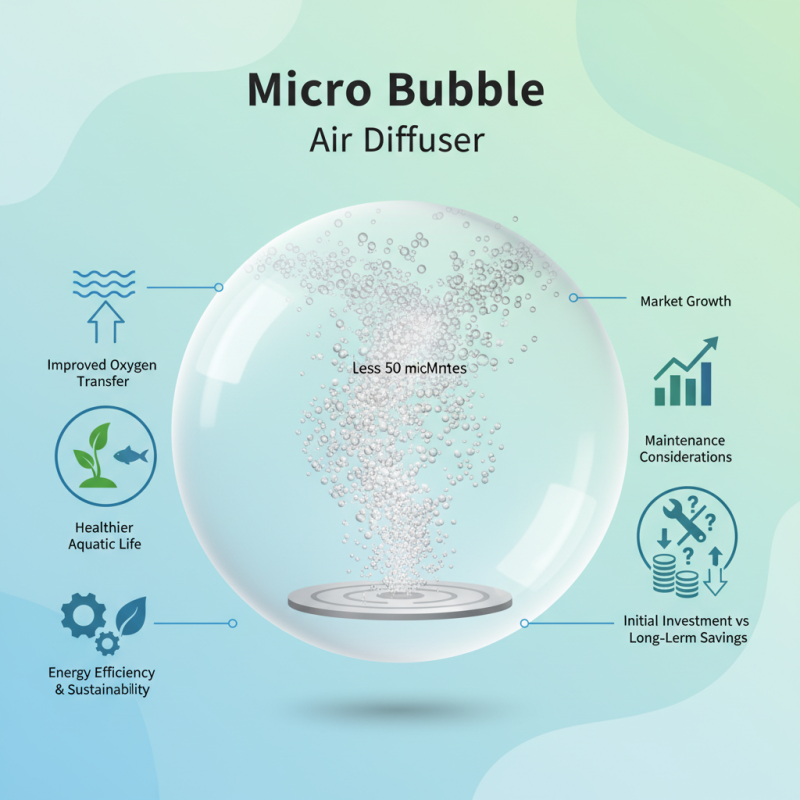
Micro Bubble Air Diffusers create tiny bubbles, usually smaller than 50 micrometers. These bubbles increase surface area and accelerate gas exchange. This process leads to better oxygenation in water bodies. The technology not only supports aquatic life but also reduces energy consumption in aeration, aligning with sustainability goals. However, the initial investment can be substantial, and effectiveness may vary based on specific applications.
Adoption rates are increasing, with a projected market growth of 10% annually. Yet, some users report challenges in maintenance and potential clogging issues. It's essential to weigh these factors before fully committing to this technology.
What is a Micro Bubble Air Diffuser?
A micro bubble air diffuser is a device that generates tiny air bubbles in water. These bubbles are smaller than a millimeter. They play a crucial role in various applications, particularly in aquaculture and wastewater treatment. The unique size of these micro bubbles allows them to stay suspended in water longer than larger bubbles. This increases the efficiency of oxygen transfer to aquatic life.
The benefits of using a micro bubble air diffuser are significant. They help in boosting oxygen levels, which is vital for fish health. More oxygen leads to faster growth rates. Additionally, these diffusers can help reduce the formation of harmful gases in water systems. This can lead to a healthier environment for both plants and animals.
However, improper installation can lead to uneven distribution of bubbles. It’s essential to consider the specific needs of the aquatic environment to maximize effectiveness.
Overall, micro bubble diffusers can enhance water quality. However, their installation and maintenance require careful attention. By monitoring the performance and making adjustments, users can ensure that these diffusers operate effectively. Continuous learning and improvement are necessary for optimal results.
How Micro Bubble Technology Works in Aquatic Systems
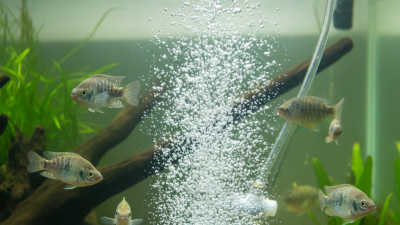
Micro bubble technology transforms aquatic systems by introducing tiny air bubbles into water. These micro bubbles, measuring less than 50 micrometers, enhance oxygen exchange. When introduced into water, they increase surface area significantly. This process allows for greater oxygen dissolution, benefiting fish and other aquatic organisms.
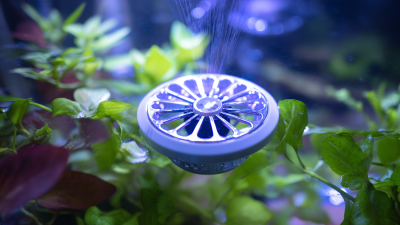
The operation of micro bubble air diffusers is fairly straightforward. They utilize a specially designed membrane that breaks air into micro bubbles. As these bubbles rise, they cling to water particles, transporting oxygen efficiently. This increased oxygen concentration can lead to healthier aquatic environments, promoting growth for fish and plants. However, not all systems may see immediate benefits.
In some situations, the effectiveness of micro bubbles can be diminished. Poor circulation or inadequate water movement might hinder bubble dispersion. Assessing these factors is vital to ensure optimal performance. Additionally, the cost of implementation could be an initial concern for some. Despite these challenges, the potential advantages of micro bubble technology in managing aquatic ecosystems remain significant.
Key Benefits of Using Micro Bubble Air Diffusers in Aquaculture
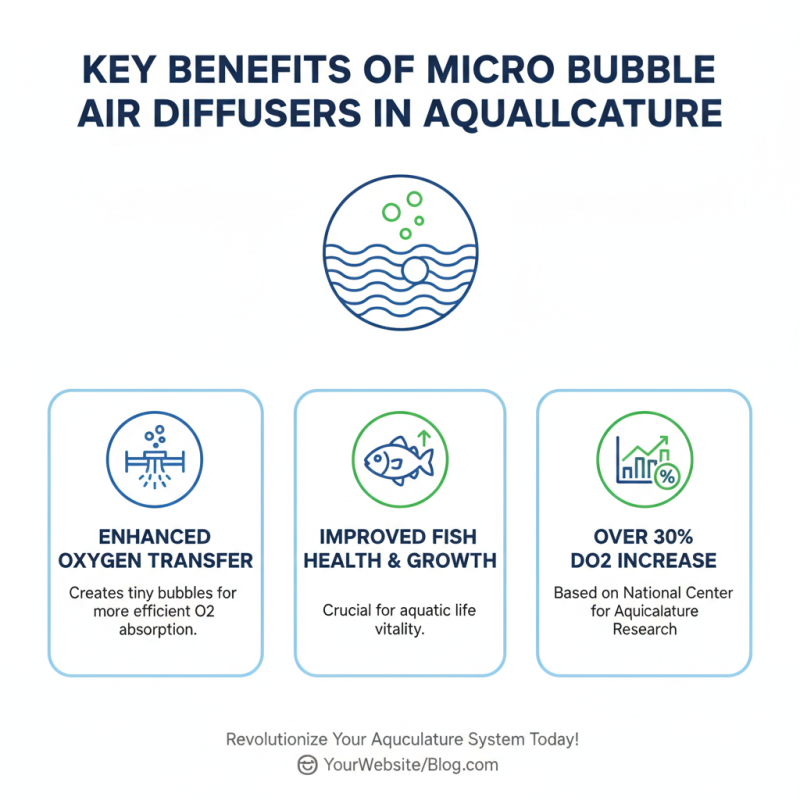
Micro bubble air diffusers are revolutionizing aquaculture. These tools create tiny bubbles, enhancing oxygen transfer in water systems. According to a study by the National Center for Aquaculture Research, introducing micro bubble technology can increase dissolved oxygen levels by over 30%. This boost is critical for fish health and growth.
Using micro bubble air diffusers provides several key benefits. They promote efficient feeding and increase fish survival rates. A report from the Aquaculture Journal indicates that farms implementing these diffusers saw a 20% rise in yield. However, not all systems are designed for micro bubble usage. Some setups may require adjustments for optimal performance. Regular maintenance is essential to avoid clogging and ensure consistent oxygen delivery.
One challenge is cost versus effectiveness. While initial investments may be high, the long-term benefits often outweigh expenses. Optimal oxygen levels lead to healthier fish, thereby reducing disease outbreaks. This ultimately saves costs on treatments. Evaluate the setup carefully. It’s essential to ensure that micro bubble diffusers fit your specific aquaculture needs for maximal efficiency.
Comparative Analysis: Micro Bubbles vs. Traditional Air Diffusers
Micro bubble air diffusers represent a significant advancement in aeration technology. They produce tiny bubbles that have a larger surface area compared to traditional air diffusers. This allows for more efficient oxygen transfer in water systems. As a result, aquaculture and wastewater treatment processes can benefit immensely from micro bubble technology. The smaller bubbles remain suspended longer, enhancing overall water quality.
In contrast, traditional air diffusers create larger bubbles that rise rapidly. This leads to less efficient oxygenation. The larger bubbles can also escape before dissolving fully in water. Users have noted that traditional systems often require more maintenance and energy due to this inefficiency. In some scenarios, this can introduce unnecessary complexities and costs. Therefore, while familiar, traditional systems may not always deliver the best results.
Micro bubble diffusers promise improved efficiency. However, they require specific installation and management practices to realize their full potential. Challenges remain in adapting existing systems to harness this technology effectively. Thus, users must weigh the potential benefits against these implementation hurdles. As research continues, the choice between these two systems will benefit from ongoing analysis and innovation.
What is a Micro Bubble Air Diffuser and Its Benefits? - Comparative Analysis: Micro Bubbles vs. Traditional Air Diffusers
| Feature |
Micro Bubble Air Diffuser |
Traditional Air Diffusers |
| Bubble Size |
0.1 to 1 mm |
1 to 3 mm |
| Oxygen Transfer Efficiency |
Up to 95% |
60% - 75% |
| Installation Cost |
Moderate |
Lower |
| Maintenance Requirements |
Low |
Moderate to High |
| Efficiency in Wastewater Treatment |
High |
Moderate |
| Noise Level |
Low |
Higher |
| Applications |
Aquaculture, Aquaponics |
General Aeration |
Industry Applications and Innovations in Micro Bubble Diffuser Design
Micro bubble air diffusers are transforming various industries through their innovative designs and applications. These devices produce tiny bubbles, significantly enhancing the efficiency of aeration and mixing processes. Their applications extend across wastewater treatment, aquaculture, and food processing. In a recent industry report, it was noted that the use of micro bubble technology could enhance oxygen transfer efficiency by up to 60%. This increased efficiency is vital for maintaining ecological balance in aquaculture systems.
Innovations in micro bubble diffuser design are focused on improving durability and performance. New materials and fabrication technologies aim to extend the lifespan of these diffusers, reducing the need for frequent replacements. Additionally, some designs incorporate smart technology, enabling real-time monitoring. These advancements contribute to more energy-efficient operations, aligning with global sustainability goals. While these innovations hold promise, they also pose challenges. Not all facilities can afford the initial investment, which may lead to unequal access to advanced technology. However, as research continues, the goal is to make these solutions more accessible to a wider range of industries.