Why Choose a Micro Dosing Pump for Your Business Needs?
In today's fast-paced industrial world, precision and efficiency are paramount. Experts emphasize the importance of reliable equipment. Dr. Emily Carter, a leading authority in fluid dynamics, states, "A Micro Dosing Pump is essential for consistent results." Her insights highlight the critical role of Micro Dosing Pumps in various applications.
These pumps deliver precise amounts of liquids, ensuring optimal performance in manufacturing, chemical processing, and agriculture. Businesses aiming for excellence must consider investing in technology that guarantees accuracy. Micro Dosing Pumps are designed to reduce waste and enhance productivity, making them a wise choice.
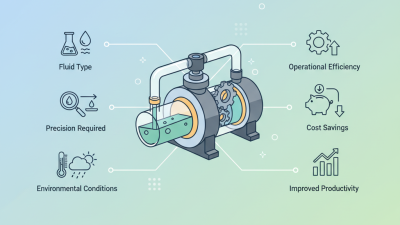
However, selecting the right Micro Dosing Pump requires careful thought. Factors like compatibility and system integration come into play. Many companies overlook such details, leading to operational challenges. Reflecting on your needs can ensure the right fit, ultimately driving success in your industry.

Benefits of Micro Dosing Pumps in Industrial Applications
Micro dosing pumps are transforming industrial applications by offering precision and efficiency in fluid management. According to a report by MarketsandMarkets, the global micro dosing pump market was valued at USD 1.4 billion in 2021 and is projected to reach USD 2.5 billion by 2026. This growth reflects the increasing demand for accurate dosing in sectors such as pharmaceuticals, food and beverage, and chemical processing.
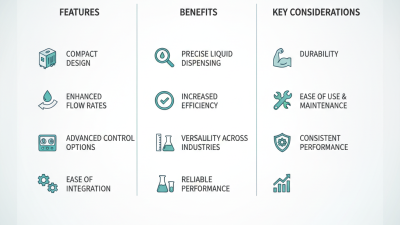
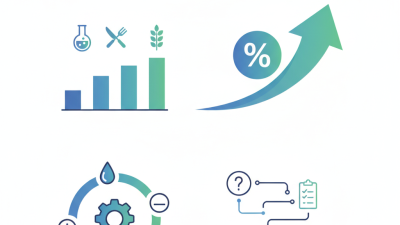
The benefits of micro dosing pumps are manifold. They provide a high degree of accuracy, ensuring that the exact amount of fluid is delivered. This minimizes waste, which not only cuts costs but also enhances sustainability. Additionally, these pumps are adaptable to various media, making them suitable for diverse industrial applications. A study by Research and Markets highlights that incorporating micro dosing systems can improve operational efficiency by up to 25%.
Tip: Regular maintenance of micro dosing pumps is crucial. Implement a routine schedule to inspect and calibrate the pumps to ensure they function optimally.
While micro dosing pumps offer substantial benefits, they are not without challenges. Operators must be trained to handle these systems properly. Human error can lead to inaccurate dosing, which could impact product quality. Furthermore, some businesses may find the initial investment to be high, creating financial pressure in the short term.
Tip: Assess the long-term savings versus initial costs. Investing in micro dosing technology may yield significant returns over time, enhancing overall productivity.
Key Features That Enhance Efficiency in Micro Dosing Pumps
Micro dosing pumps are increasingly essential in various industries, providing precision and durability. According to a recent report by the International Society of Automation, these pumps can enhance operational efficiency by up to 20%. This improvement is largely due to their ability to deliver exact volumes, reducing waste and ensuring consistency in processes.
One key feature of micro dosing pumps is their advanced control mechanisms. With programmable settings, they can manage flow rates with high accuracy. This adaptability allows businesses to scale production without sacrificing quality. A study by the Association of Industrial Automation found that 75% of manufacturers report reduced downtime when using micro dosing systems. These systems also enable easier integration into existing processes, promoting smoother transitions during upgrades.
However, not all micro dosing pumps are created equal. Some models may lack the reliability needed for critical operations. This inconsistency can lead to operational inefficiencies. Therefore, it's essential that businesses conduct thorough evaluations before selecting their dosing solutions. Real-world feedback from users often highlights issues with calibration and maintenance requirements. Investing in comprehensive training for staff can mitigate these challenges significantly.
Cost-Effectiveness of Micro Dosing Pumps Compared to Traditional Options
Micro dosing pumps provide an efficient solution for various industries. They offer significant cost savings compared to traditional dosing methods. According to a recent report by the Fluid Handling Technology Association, companies using micro dosing pumps can reduce chemical waste by up to 30%. This efficiency significantly lowers the costs associated with purchasing and disposing of excess materials.
The initial investment in micro dosing pumps may appear high. However, the long-term financial benefits outweigh these upfront costs. Many businesses report a reduction in operational expenses due to increased accuracy and reduced downtime. A study from the International Society of Automation shows that accurate dosing with micro pumps can lead to a 20% increase in production efficiency. Such enhancements can offset the investment in as little as six months.
Despite these advantages, not all companies may find micro dosing systems ideal. Some industries with low-volume requirements might struggle to justify the expense. Implementing new technology can also bring challenges. Employees need training, and integration into existing systems might require additional adjustments. Businesses should weigh these factors carefully when considering a transition to micro dosing pumps.
Industry-Specific Use Cases for Micro Dosing Pumps in Various Sectors
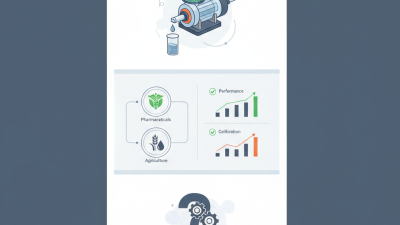
Micro dosing pumps serve various industries with precision and reliability. In the pharmaceutical sector, these pumps ensure accurate dosing of active ingredients in drug production. It's essential to maintain strict quality control here. Failure to deliver exact amounts can lead to ineffective treatments. Delving into the chemical industry, micro dosing pumps handle corrosive materials safely. Their design helps prevent spills, which can be hazardous. Implementing these pumps reduces waste and enhances safety standards.
In food and beverage production, micro dosing pumps deliver flavoring agents consistently. This consistency plays a crucial role in maintaining product quality.
However, some facilities struggle with calibration. A minor error can lead to over-flavoring or under-flavoring. Such discrepancies affect customer satisfaction. Additionally, in water treatment facilities, these pumps manage the precise addition of chemicals. This process is vital for ensuring safe drinking water.
Separately, some might question their cost-effectiveness. Initial investments can be daunting, yet the long-term benefits often justify the expense. Balancing initial costs with potential savings is key.
Performance Metrics and Reliability of Micro Dosing Pumps in Production
When it comes to micro dosing pumps, performance metrics play a crucial role in production efficiency. These pumps provide precise dosing, which is essential for maintaining consistent product quality. The accuracy of these devices can lead to significant improvements in process control. However, achieving this precision requires regular calibration and maintenance. Inconsistent calibration may result in underdosing or overdosing, impacting the overall production outcome.
Reliability is another key aspect to consider with micro dosing pumps. These pumps must operate seamlessly in demanding environments. Factors like temperature, pressure, and chemical compatibility can influence their performance. It’s important to choose pumps that can withstand these variables. Regular performance reviews should be conducted to identify potential issues early on. It’s worth noting that not all pumps are created equal, and businesses should evaluate options thoroughly.
While micro dosing pumps offer numerous advantages, awareness of their limitations is vital. For instance, some applications may require more robust systems for higher flow rates. Failing to match the pump's capabilities with business needs can lead to inefficiencies. Continuous assessment and adjustment of setup can help in overcoming these challenges. Engaging with industry experts can provide valuable insights into finding the right balance in using micro dosing pumps, thus enhancing overall production reliability.
Performance Metrics of Micro Dosing Pumps