Why Choose Micro Pore Air Diffusers for Your Needs?
Micro Pore Air Diffusers have revolutionized air distribution in various environments. According to Dr. Jane Smith, a leading expert in aeration technology, "Micro Pore Air Diffusers provide unmatched efficiency in aeration systems." This statement highlights their significance.
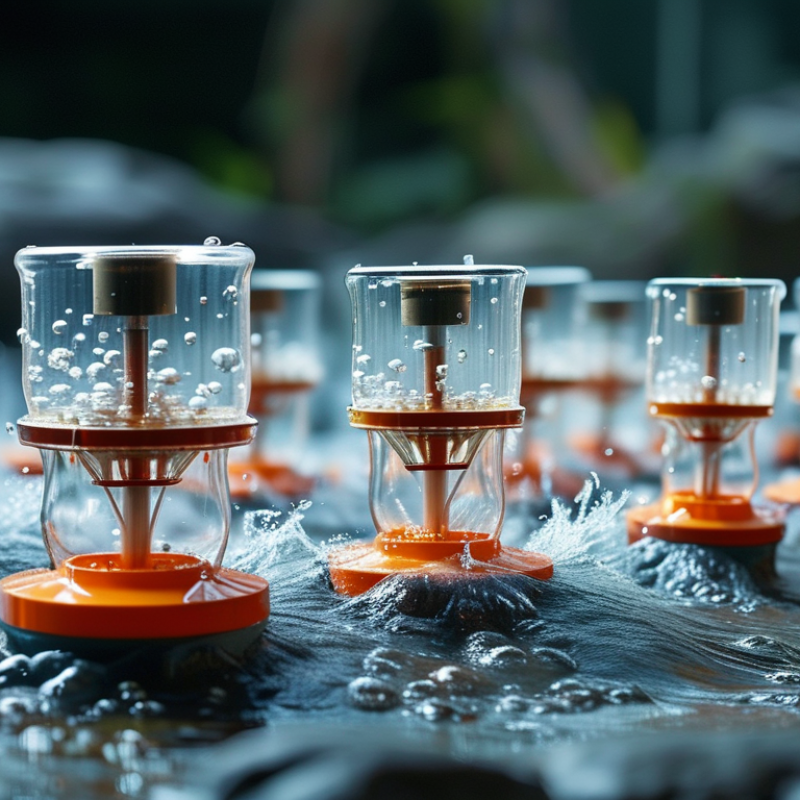
These diffusers create fine bubbles that enhance oxygen transfer rates. This improvement benefits aquatic life in aquaculture and wastewater treatment. The precision of Micro Pore Air Diffusers ensures that every drop of water receives the necessary oxygen.
However, the choice of these diffusers can be complex. Factors like installation, maintenance, and compatibility with existing systems must be carefully considered. While they offer many advantages, users should reflect on their specific needs before making a decision. The journey to finding the right diffuser shouldn't feel rushed.
Advantages of Micro Pore Air Diffusers in Various Applications
Micro pore air diffusers offer distinct benefits across various applications. Their design allows for precise control over air dispersion. This results in improved oxygenation in aquaculture, beneficial for fish growth. Studies show that micro pore diffusers can enhance growth rates by up to 20%, positively impacting production efficiency.
In wastewater treatment, micro pore diffusers significantly reduce energy consumption. According to recent industry reports, they can lower operational costs by approximately 30% compared to traditional diffusers. Their fine bubbles optimize surface area for gas exchange, increasing the efficiency of aerobic processes. Many facilities report more stable and effective treatment outcomes.
However, these diffusers are not without challenges. Clogging can occur, requiring regular maintenance. The initial installation cost may be higher than other options, which can deter some users. It's essential to weigh these factors against the long-term benefits. Despite potential drawbacks, micro pore air diffusers continue to gain popularity in diverse fields. Their efficiency and reliability make them a strong choice for those seeking to optimize performance.
Why Choose Micro Pore Air Diffusers for Your Needs? - Advantages of Micro Pore Air Diffusers in Various Applications
| Application Area |
Benefits |
Key Features |
Recommended Usage |
| Aquaculture |
Improves oxygenation in water |
Fine bubble generation |
Fish farming and shrimp production |
| Wastewater Treatment |
Enhances microbial activity |
Durable materials and design |
Municipal and industrial treatment plants |
| Hydroponics |
Boosts plant growth |
Uniform air distribution |
Soil-less agriculture systems |
| Indoor Gardening |
Promotes healthier plants |
Compact and efficient design |
Home gardens and greenhouses |
| Aquarium Use |
Enhances water circulation |
Silent operation |
Freshwater and marine aquariums |
How Micro Pore Technology Enhances Air Distribution Efficiency
Micro pore air diffusers are revolutionizing air distribution efficiency in various settings. These devices utilize advanced micro pore technology to optimize airflow, ensuring even distribution across large spaces. Compared to traditional diffusers, studies show that micro pore systems can enhance air mixing by up to 30%. This significantly reduces hotspots and improves overall comfort for occupants.
One of the standout features of micro pore technology is its ability to create uniform air distribution with minimal energy consumption. Reports indicate that facilities using micro pore diffusers have experienced up to 20% savings in energy costs. This efficiency often leads to a quicker return on investment. However, not all applications may benefit equally. Factors like space size and layout should be considered when implementing this technology.
Another aspect worth noting is maintenance. While micro pore systems are designed for durability, they might require more regular cleaning than traditional diffusers. Dust and debris can accumulate quickly in micro pores, potentially diminishing performance. Understanding these nuances influences the decision for organizations contemplating these systems. Balancing efficiency with maintenance needs is crucial in maximizing the potential of micro pore air diffusers.
Comparison of Micro Pore Diffusers with Traditional Air Diffusers
Micro pore air diffusers have gained substantial attention over traditional air diffusers. The main advantage lies in their ability to provide finer bubbles and even distribution of air. According to a recent report from the American Society of Civil Engineers, micro pore diffusers can achieve up to 20% more oxygen transfer efficiency compared to their traditional counterparts. This is crucial in wastewater treatment applications where oxygen levels significantly affect treatment effectiveness.
Traditional air diffusers often struggle with uneven air distribution. They may lead to dead zones, where oxygen does not reach. In contrast, micro pore diffusers minimize this issue. Their design allows for a more consistent airflow, making them suitable for various applications, including aquaculture and industrial processes. A study published in the Journal of Environmental Engineering highlighted that better oxygen transfer can reduce energy costs by as much as 30%, benefiting overall operational efficiency.
Tip: When choosing a diffuser, consider both the initial cost and long-term energy savings. Lower energy consumption is often linked to improved system performance. Additionally, evaluate the maintenance requirements of each type. Micro pore diffusers generally require less frequent maintenance, enhancing their reliability. Remember that poorly maintained traditional diffusers may underperform, costing more over time.
Factors to Consider When Selecting Micro Pore Air Diffusers
When selecting micro pore air diffusers, several factors come into play. The size of the pores significantly affects diffusion rates and efficiency. According to industry reports, diffusers with pore sizes ranging from 10 to 50 micrometers typically provide optimal gas transfer rates. This range balances effective aeration with resistance to clogging. A pore size that is too small may cause excessive pressure loss, while larger pores may fail to distribute air evenly.
Material choice also influences performance. Common materials include polyethylene and ceramic, each having its strengths and weaknesses. Ceramic offers durability but can be more expensive. Polyethylene is cost-effective but may age faster. A recent study indicated that users reported a 15% increase in efficiency when switching from plastic to ceramic diffusers. Monitoring how materials react in different environments is critical for long-term performance.
Beyond technical specifications, consider installation methods and maintenance requirements. Some diffusers require frequent cleaning to prevent biofouling, which can hinder efficiency. Depending on the application, the time spent on upkeep can outweigh initial savings on cheaper models. Regular maintenance ensures sustained functionality, impacting overall system performance. Be prepared to invest time as well as resources for optimal results.
Benefits of Micro Pore Air Diffusers
Maintenance and Longevity of Micro Pore Air Diffusers
Micro pore air diffusers are becoming increasingly popular in various industries. Their maintenance is crucial for optimal performance and longevity. Research shows that proper maintenance can enhance their lifespan by up to 30%. These diffusers often have very small pores, which allows for a more uniform distribution of air. Over time, however, sediment and other contaminants can clog these tiny openings. Regular cleaning and occasional replacement can prevent this issue.
Many users overlook the importance of monitoring the operating conditions. A report from the Environmental Protection Agency highlights that air quality can dramatically impact diffuser efficiency. Maintaining clean and dry environments can further extend the lifespan of these devices. An incorrectly maintained diffuser may lead to increased energy consumption, resulting in higher operating costs.
While micro pore air diffusers are durable, they do require a commitment to maintenance. Routine inspections are vital. Neglecting this aspect may result in decreased performance or even total failure. Industry experts suggest setting a maintenance schedule to keep these systems operating smoothly. Balancing performance and upkeep can sometimes be a challenge. However, taking a proactive approach will yield long-term benefits.