Top Mini Dosing Pump Applications and Benefits for Efficient Fluid Management?
In today's industrial landscape, efficient fluid management is paramount. The Mini Dosing Pump has emerged as a key player in achieving this efficiency. According to a recent report by Markets and Markets, the global dosing pump market is projected to reach $4.04 billion by 2026, with mini dosing pumps being a significant contributor to this growth. Their precision and reliability make them essential in various applications, such as water treatment, pharmaceuticals, and food processing.
Dr. Emily Lawson, a renowned industry expert, emphasizes the importance of mini dosing pumps, stating, "The ability to precisely control fluid flow leads to cost savings and improved product quality." These pumps not only enhance operational efficiency but also reduce waste. However, users often overlook the potential issues surrounding maintenance and calibration. Inadequate attention to these aspects can lead to performance degradation over time. Thus, understanding both the benefits and challenges of mini dosing pumps is crucial for optimizing fluid management strategies and ensuring long-term reliability.
Key Characteristics of Mini Dosing Pumps in Fluid Management
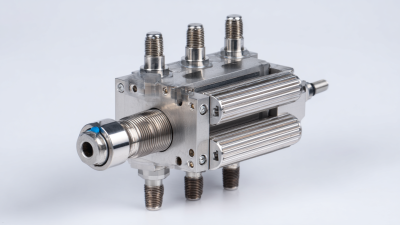
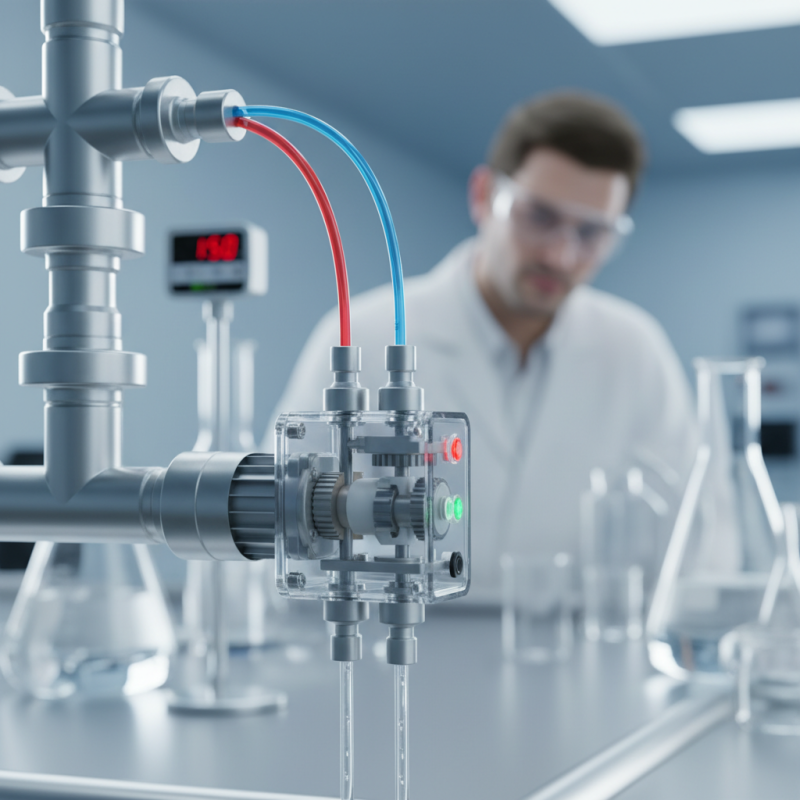
Mini dosing pumps play a crucial role in modern fluid management systems. Their key characteristics include precision, compact size, and versatility. These pumps can accurately dispense small volumes of liquids, often within a range of 0.1 to 5,000 ml/h. According to recent industry reports, the precision of mini dosing pumps can reach an accuracy of ±0.5%, making them ideal for applications that require exact measurements.
Furthermore, their compact design allows for easy integration into various systems. This feature is particularly beneficial in industries like pharmaceuticals and agriculture, where space is often limited. A survey indicated that nearly 70% of professionals in these fields value the space-saving aspect of mini dosing pumps.
While mini dosing pumps offer many advantages, challenges can arise. For instance, fluid compatibility and potential clogging issues need careful consideration. Some fluids may react with certain pump materials, leading to inefficiencies. Thus, understanding the specific application and conducting thorough tests is essential. These factors highlight the importance of informed decision-making when selecting pump solutions for fluid management.
Common Applications of Mini Dosing Pumps Across Various Industries
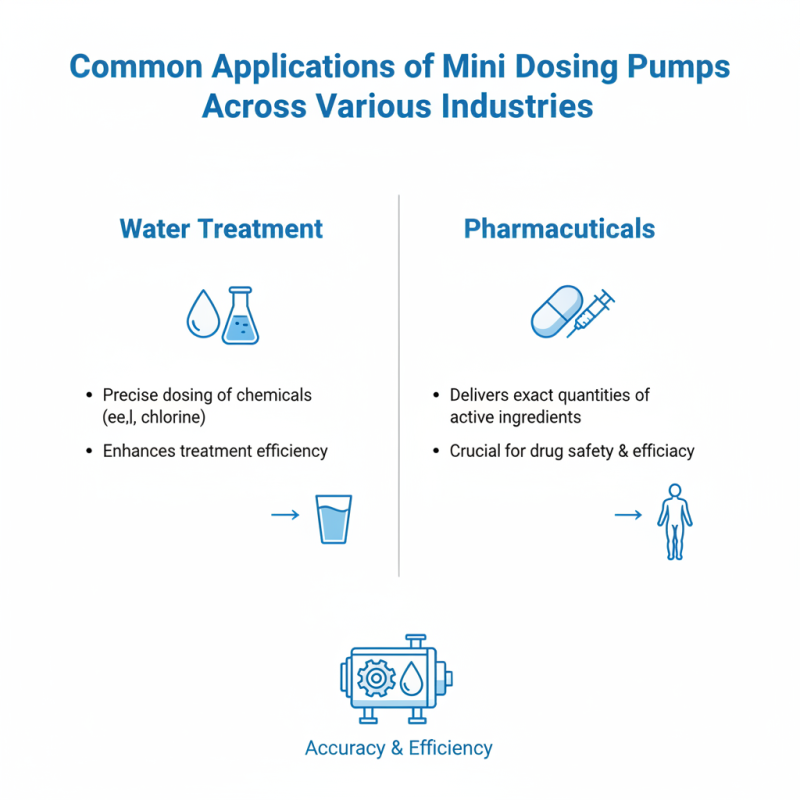
Mini dosing pumps find extensive application in various industries. In water treatment, they ensure precise dosing of chemicals, such as chlorine or coagulants. Accurate flow rates enhance treatment efficiency. In pharmaceuticals, these pumps deliver exact quantities of active ingredients. This precision is vital for drug safety and efficacy.
Food and beverage industries also heavily rely on mini dosing pumps. They add flavorings, preservatives, or colorings to products with high accuracy. This consistency is crucial for maintaining quality. However, some users face challenges with calibration and maintenance. Regular inspections are necessary to avoid inconsistencies.
In agriculture, mini dosing pumps are essential for fertilization and pest control. They allow for the targeted application of nutrients or pesticides. This targeted approach minimizes waste and environmental impact. However, improper setup can lead to over-application. Continuous training on best practices is essential to maximize efficiency and reliability.
Benefits of Using Mini Dosing Pumps for Precise Fluid Delivery
Mini dosing pumps offer precise fluid delivery, making them essential in various industries. Their compact size allows for easy integration into existing systems without taking up much space. By delivering exact amounts of fluids, these pumps reduce waste and ensure consistent product quality.
The benefits of using mini dosing pumps are significant. They enable a high level of accuracy, which is crucial in applications like pharmaceuticals and food production. Additionally, their ability to handle a wide range of viscosities allows for versatility in various processes. However, ensuring proper calibration and maintenance is vital. A lack of regular checks can lead to inaccuracies over time, impacting overall efficiency.
In many cases, users find themselves reassessing their dosing systems. The challenge lies in balancing precision with speed. A pump may deliver fluid precisely, but if it's too slow, production timelines can suffer. This is where the right setup and ongoing evaluation are critical. Mindful experimentation can lead to more optimized processes and an understanding of the nuances involved.
Top Mini Dosing Pump Applications and Benefits for Efficient Fluid Management
| Application |
Benefits |
Fluid Type |
Flow Rate (L/h) |
| Water Treatment |
Precise chemical dosing, improved water quality |
Chemicals, water |
1-1000 |
| Food & Beverage |
Consistency in flavor, minimized waste |
Liquid ingredients |
10-250 |
| Pharmaceuticals |
Accurate dosing, compliance with regulations |
Active pharmaceutical ingredients |
0.5-50 |
| Agriculture |
Efficient fertilizer application, enhanced crop yield |
Fertilizers, pesticides |
20-500 |
| Chemical Processing |
Controlled reactions, reduced operational costs |
Various chemicals |
5-1000 |
Factors to Consider When Selecting a Mini Dosing Pump
When selecting a mini dosing pump, it’s crucial to consider several key factors. The application environment plays a pivotal role. Some industries rely on pumps that can withstand harsh chemicals or extreme temperatures. For instance, according to a recent market report, over 30% of successful mini dosing pump applications come from the chemical processing sector, where fluid compatibility is essential.
Flow rate and precision are equally important. Many applications require pumps to deliver fluids at specific rates and volumes. Studies show that mini dosing pumps can achieve flow rates ranging from 0.1 to 100 liters per hour. This wide range allows flexibility across industries, but too high or low flow can lead to inefficiencies. Users often overlook the importance of accurate calibration, which can compromise fluid management.
Another factor is the size and space constraints of the installation site. Compact pumps are designed for limited spaces, but they must maintain performance. There's a growing trend toward automation in fluid management, where sensors and controls optimize performance. However, installing a pump that is too small can reduce overall system efficiency. Each installation brings unique challenges that require careful consideration and adaptability.
Top Mini Dosing Pump Applications and Benefits
This chart illustrates the most common applications of mini dosing pumps based on their usage frequency. Mini dosing pumps are critical for efficient fluid management in various sectors, highlighting their importance in industries such as water treatment and pharmaceuticals.
Future Trends and Innovations in Mini Dosing Pump Technology
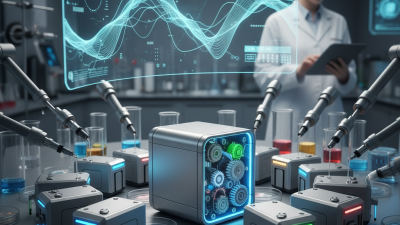
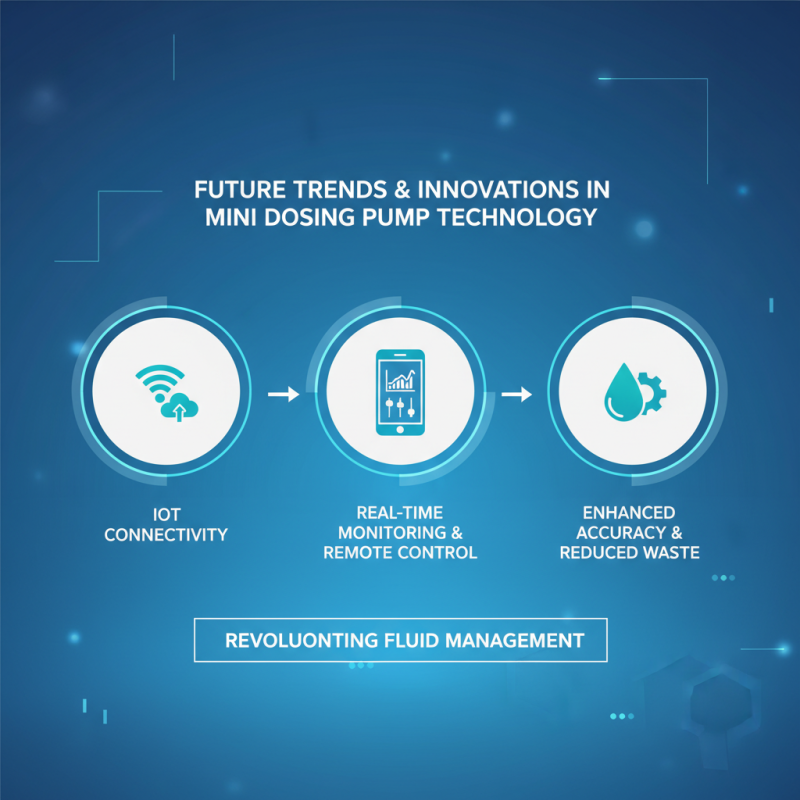
Mini dosing pumps are revolutionizing fluid management across various industries. As technology evolves, new trends emerge that enhance their efficiency. One significant trend is the integration of IoT (Internet of Things) connectivity. This allows for real-time monitoring and control. Users can easily program and adjust dosing parameters remotely. Such advancements improve accuracy in chemical dosing and reduce waste.
Another innovation is the development of smart sensors. These sensors offer precise measurements and feedback about fluid conditions. They can detect changes in viscosity or density, ensuring optimal performance. Enhanced materials and designs also play a role. They lead to improved durability and resistance to corrosive substances. However, the challenge remains to balance cost and technology.
Finally, sustainability is a growing focus. More manufacturers prioritize eco-friendly practices. This includes reducing energy consumption and utilizing recyclable materials. Testing these innovations, however, still faces hurdles in practical application. Understanding their limitations is crucial for future developments. The next few years promise exciting changes for mini dosing pump technology.