How to Optimize Dispersed Air Flotation for Efficient Water Treatment
Dispersed Air Flotation (DAF) has emerged as a pivotal method in the realm of water treatment, particularly for industries dealing with wastewater. By leveraging the principles of buoyancy, DAF systems facilitate the separation of solid particles from water, offering an efficient solution to the challenges posed by pollutants in aquatic environments. The optimization of this process is essential not only for enhancing treatment efficiency but also for improving overall operational sustainability.
In the quest for superior water quality, the key lies in understanding the dynamics of gas dispersion and the subsequent flotation mechanism. Fine air bubbles, generated within the system, attach to suspended solids, thereby reducing their density and prompting their rise to the surface. However, optimizing the parameters surrounding this interaction—such as bubble size, rise time, and influent characteristics—requires a comprehensive approach that integrates both theoretical and empirical insights.
This article delves into the critical aspects of optimizing Dispersed Air Flotation systems, highlighting innovative strategies and best practices that can significantly elevate their performance. By examining existing challenges, technological advancements, and operational adjustments, we aim to provide a roadmap for practitioners seeking to enhance the efficacy of their water treatment processes through DAF technology.
Understanding Dispersed Air Flotation and Its Role in Water Treatment
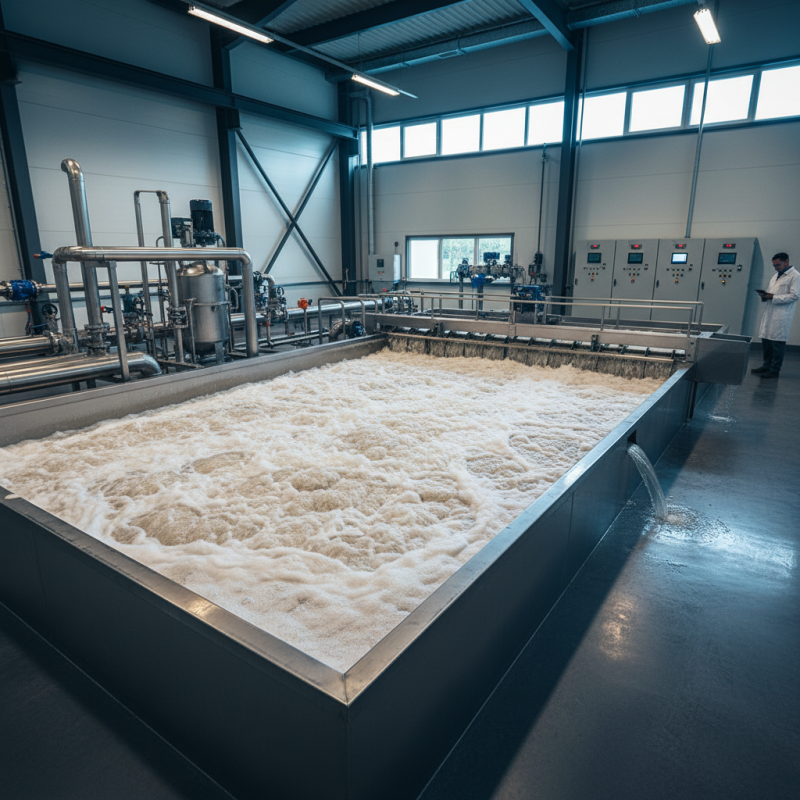
Dispersed Air Flotation (DAF) has emerged as a pivotal technology in wastewater treatment, gaining recognition for its efficiency in removing suspended solids and oils from water. This process utilizes microbubbles generated by air being introduced to the water, which cling to particulates and assist in their flotation to the surface, where they can be easily removed. According to a recent report by the Water Environment Federation, DAF systems can achieve removal efficiencies exceeding 90% for certain contaminants, making it an ideal choice for industries such as food processing and oil refining, where high levels of turbidity and grease are often encountered.
The operational efficiency of DAF systems can be attributed to their relatively low energy requirements and minimal footprint compared to traditional treatment methods. A study published in the Journal of Water Process Engineering indicated that modern DAF installations can operate effectively at lower chemical dosages, reducing operational costs and enhancing sustainability.
Moreover, advancements in the design of DAF units, including the integration of pre-treatment options and enhanced aeration techniques, have significantly improved flotation rates, enabling faster processing of larger volumes of wastewater. As industries continue to prioritize water conservation and treatment efficiency, optimizing DAF technologies stands out as a critical measure for achieving these goals in water treatment applications.
Key Principles of Dispersed Air Flotation Technology
Dispersed Air Flotation (DAF) technology is gaining traction as a highly effective method for water treatment in various industries, including municipal, industrial, and agricultural applications. This process primarily relies on the generation and subsequent attachment of fine air bubbles to suspended particles, promoting their rapid flotation to the surface for removal. According to the Water Environment Federation, DAF systems can achieve up to 90% removal efficiency for suspended solids, significantly enhancing the quality of treated water.
The key principles underlying DAF technology revolve around bubble generation, particle attachment, and flotation. A major factor is the optimal size of air bubbles, typically ranging from 30 to 100 microns, which provides sufficient surface area for effective attachment. Recent studies highlight the significance of maintaining the correct air-to-liquid ratio; an ideal ratio can improve particulate capture efficiency by over 30%.
Moreover, the incorporation of chemical coagulants can further stabilize aggregates, facilitating improved flotation performance. Understanding these principles is crucial for operators aiming to enhance overall water treatment efficacy while reducing operational costs associated with sludge disposal and energy consumption.
Factors Influencing the Efficiency of Dispersed Air Flotation Systems
Dispersed Air Flotation (DAF) systems are vital in various water treatment processes, primarily for removing suspended solids, oils, and other contaminants. The efficiency of these systems is influenced by multiple factors, making it essential to understand the underlying mechanisms that enhance performance. One significant factor is the proper sizing of the flotation units. According to a report from the American Water Works Association, optimizing the volume of the flotation cells based on the specific characteristics of influent water can improve removal efficiencies by up to 30%.
Another critical aspect is the air-to-solid ratio, which affects the attachment of microbubbles to particles. The ideal ratio ensures that sufficient bubbles rise to the surface, carrying the contaminants with them. Studies indicate that a ratio around 0.5 to 1.0 is generally effective in maximizing flotation rates. Furthermore, the type and size of the bubbles play a crucial role; finer bubbles have shown a tendency to enhance flotation due to their increased surface area, leading to improved particle attachment and higher separation efficiency. Research published in the Journal of Water Process Engineering reveals that optimizing bubble size can lead to a remarkable increase in contaminant removal rates, underlining the complexity of variables affecting DAF systems.
Techniques to Enhance the Performance of Dispersed Air Flotation
Dispersed air flotation (DAF) is an increasingly popular technique for wastewater treatment, mainly due to its efficiency in removing suspended solids and oils from water. To enhance the performance of DAF systems, several techniques can be implemented. One prominent method is optimizing the air-to-water ratio. By carefully calibrating this ratio, operators can improve the flotation process's efficacy, ensuring that a larger number of air bubbles adhere to and lift the contaminants to the surface for removal. Additionally, ensuring proper mixing within the flotation unit increases contact between the air bubbles and the suspended particles, further enhancing separation efficiency.
Another critical aspect of optimizing DAF is the management of chemical additives. Implementing coagulants and flocculants can significantly improve the agglomeration of particles, promoting their rise to the surface. Tailoring the type and dosage of these chemicals based on the specific characteristics of the wastewater being treated can yield substantial improvements in performance. Furthermore, maintaining optimal temperature and pH levels within the flotation system can also maximize the effectiveness of these additives, leading to a more reliable and efficient water treatment process. By integrating these techniques, operators can achieve superior performance from their dispersed air flotation systems, ensuring cleaner water discharge and better compliance with environmental standards.
Optimization Techniques for Dispersed Air Flotation
This bar chart represents the effectiveness of various optimization techniques for Dispersed Air Flotation (DAF) in water treatment. The techniques include air to solids ratio optimization, coagulant addition, and bubble size adjustment, compared against their respective efficiencies in percentage.
Common Challenges and Solutions in Dispersed Air Flotation Applications
Dispersed Air Flotation (DAF) systems are increasingly used in water treatment processes due to their efficiency in separating contaminants from water. However, several challenges may arise during their application, impacting overall performance. One common challenge is the inadequate generation of microbubbles, which is crucial for effective flotation. When bubble size is inconsistent, it can lead to poor separation of solids and increased operational costs.
To address this, operators should frequently monitor and adjust the air saturation levels. Implementing an effective pre-treatment process can also help by ensuring that the contaminants are adequately coagulated before flotation. Regular maintenance of the DAF system, including cleaning and checking for blockages, is essential in maintaining optimal function.
Tips: Regular training of staff on operational procedures can significantly reduce human error related to system management. Additionally, utilizing automated monitoring systems can provide real-time data on performance indicators, allowing for quick adjustments to enhance efficiency. Another useful strategy is to conduct periodic assessments of the influent water quality; this will facilitate precise adjustments in the DAF process to cope with varying contaminants.