How to Optimize Polymer Dosing Control for Effective Treatment?
In the field of wastewater treatment, effective Polymer Dosing Control is crucial. An expert in the industry, Dr. Emily Carter, states, "Optimizing polymer dosing can significantly enhance treatment efficiency." This insight highlights the need for precision in dosing, as the right balance can lead to better outcomes.
Many facilities struggle with polymer dosing accuracy. Overdosing can waste resources and underdosing can compromise treatment quality. It reflects a common challenge in optimizing Polymer Dosing Control. Professionals often overlook the importance of regular monitoring and adjustment.
Successful implementation of Polymer Dosing Control requires understanding both the treatment process and the specific characteristics of the wastewater. Each situation is unique. Continuous learning and adaptation are essential. Embracing innovation and technology can lead to improvements. Yet, the industry must also reflect on past mistakes. Learning from inefficient practices is key to future advancements.
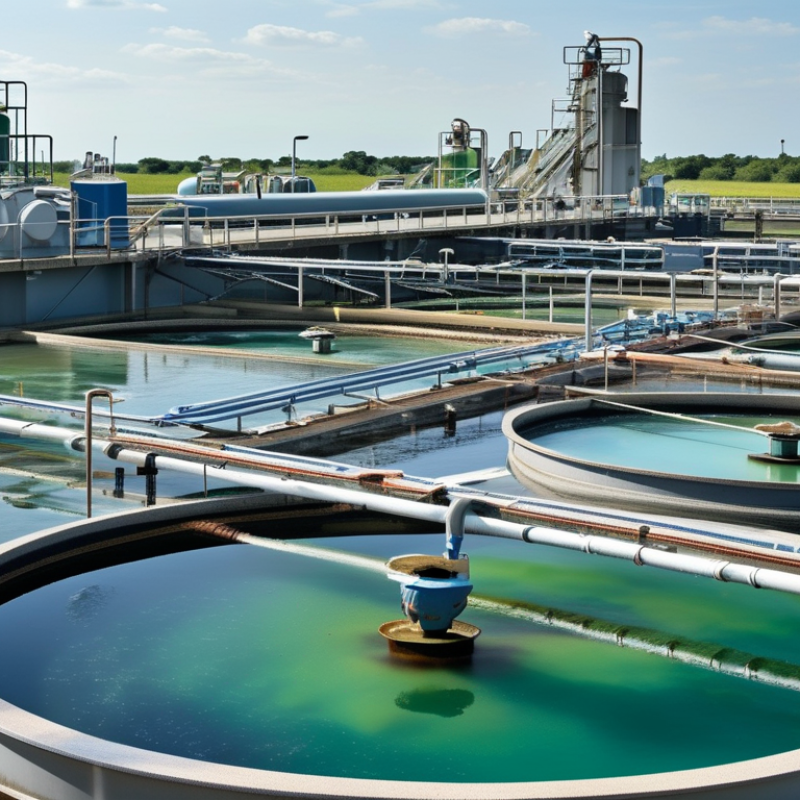
Understanding the Role of Polymer Dosing in Treatment Processes
Polymer dosing plays a crucial role in various treatment processes, particularly in water treatment and waste management. The right dosage can enhance flocculation, improve solids separation, and boost overall efficiency. However, incorrect dosing may lead to insufficient treatment or excess polymer usage, causing operational issues.
Understanding the specific needs of each treatment process is vital. Factors like water quality, desired end results, and environmental conditions must be considered. An empirical approach enhances the anticipation of treatment outcomes. Yet, many facilities still rely on outdated dosing techniques. This can lead to inconsistent results and increased costs.
Monitoring and adjusting polymer dosing require expertise and experience. Regular testing and data analysis can provide insights into optimal conditions. Facilities need to invest in training and technology to stay current. Continuous improvement helps address shortcomings. This proactive ability to adapt to changing conditions ensures effective treatment and resource optimization.
Identifying Key Parameters for Optimal Polymer Dosing Control
Effective polymer dosing control is crucial in industries such as wastewater treatment and oil recovery. To achieve optimal outcomes, identifying key parameters is essential. One crucial factor is the molecular weight of the polymer. Studies indicate that polymers with higher molecular weights provide better flocculation efficiency but may require careful balancing to avoid excessive viscosity. An excessive dose could lead to inefficiencies in the system, potentially causing operational challenges.
Another important parameter is the feed rate of the polymer. Research from the Water Environment Federation suggests that a controlled feed rate can optimize performance. A balanced rate ensures that the polymers act adequately on contaminants without overwhelming the treatment process. Adjusting the feed rate dynamically can lead to significant improvements in treatment efficacy, reducing costs associated with over-dosing.
Monitoring and adjusting these parameters is vital. Real-time data from flow meters and sensors can provide insights necessary for timely adjustments. However, systems relying solely on automation may overlook nuances in water chemistry that are significant. Continuous evaluation remains essential to maintain reliability and effectiveness. This complexity highlights the need for trained personnel to analyze the data and make informed decisions.
Techniques for Monitoring Polymer Performance in Treatment Systems
Monitoring polymer performance is essential for effective treatment systems. The right techniques can make a big difference. Regular assessments help ensure polymers are working optimally. Visual inspections are one useful method. They allow operators to identify any visible issues early on. Conducting these inspections routinely offers a straightforward way to catch problems.
Another effective method is using online monitoring systems. Sensors can provide real-time data on polymer performance. This information helps in adjusting the dosing rates quickly. However, these systems can be complex. Not all facilities have the resources for them. Reliability may also vary based on the technology. Therefore, understanding their limitations is crucial. Operators must remain vigilant and ready to analyze the data critically.
Triaging polymer effectiveness involves comparing results against benchmarks. This may seem simple, but it requires careful analysis. Variability in wastewater composition can lead to inconsistent results. Keeping thorough records aids in identifying trends. Regular training for staff can enhance monitoring effectiveness. Even small oversights can affect performance. It's vital to foster a culture of continuous improvement in treatment processes.
Optimization of Polymer Dosing Control in Treatment Systems
This chart illustrates the monthly polymer dosage applied in treatment systems over a ten-month period. The data represents the effort to optimize dosing control for effective treatment results.
Adjusting Dosing Strategies Based on Real-Time Data Feedback
Adjusting dosing strategies based on real-time data feedback is crucial in optimizing polymer dosing control. Real-time data allows operators to make informed decisions. It helps in understanding the exact polymer needs for effective treatment. Traditional dosing methods often miss the mark, leading to overuse or underuse of polymers. This results in inefficiencies and increased costs.
Implementing a feedback loop can enhance dosing accuracy. Sensors measure key parameters, such as turbidity and chemical composition. These readings inform dosing adjustments almost instantly. For instance, a sudden increase in turbidity might signal the need for a higher polymer dose. However, relying solely on real-time data can have its pitfalls. Data anomalies can lead to incorrect dosing adjustments. Regular calibration of monitoring equipment is essential to ensure reliability.
Developing a dynamic dosing model requires ongoing evaluation. Operators should periodically assess the effectiveness of their strategies. Are adjustments based on data leading to better treatment outcomes? This reflective process can uncover gaps in the system. Engaging with operators and technicians provides valuable insights. They may spot challenges that data alone does not reveal.
Evaluating the Cost-Effectiveness of Polymer Dosing Optimization
Optimizing polymer dosing can significantly impact treatment efficiency and cost-effectiveness. Effective polymer dosing not only enhances the treatment process but also helps in reducing waste. The right amount of polymer can improve flocculation, leading to better separation of solids from liquids. This efficiency translates directly into lower operational costs for facilities.
Cost-effectiveness is essential in evaluating polymer dosing optimization. Regular assessments of dosing rates can reveal potential savings. Facilities could adopt a data-driven approach, adjusting doses based on real-time monitoring. It’s crucial to analyze the trade-offs between dosing levels and treatment outcomes. Overdosing can lead to excess costs without proportional benefits. Under-dosing might result in ineffective treatment, causing potential regulatory and operational issues.
The journey of optimization is often flawed. Many facilities struggle with inconsistencies in dosing due to varying influent conditions. This variability complicates the process. Evaluative studies can highlight these challenges, providing insights into best practices. It’s necessary to recognize that optimizing polymer dosing is not merely a one-time effort but an ongoing commitment. Continuous learning and adaptation are vital in refining these processes.
How to Optimize Polymer Dosing Control for Effective Treatment? - Evaluating the Cost-Effectiveness of Polymer Dosing Optimization
| Parameter |
Unit |
Current Value |
Optimized Value |
Cost Savings |
| Polymer Concentration |
% w/w |
0.5 |
0.8 |
$10,000 |
| Dosing Rate |
kg/h |
10 |
8 |
$5,000 |
| Treatment Efficiency |
% |
85 |
90 |
$7,500 |
| Annual Operating Cost |
$ |
$100,000 |
$85,000 |
$15,000 |
| Return on Investment (ROI) |
% |
20 |
30 |
+10% |