What is Poly Dosing in Water Treatment and Why is it Important?
Poly Dosing in Water Treatment is a method that enhances the efficiency of water purification processes. This practice involves the precise application of various chemicals to treat water effectively. Through poly dosing, operators can adjust the chemical balance, ensuring the removal of contaminants. It is vital for maintaining water quality and safety.
Proper chemical dosing plays a crucial role in preventing issues such as corrosion and scaling in water systems. Moreover, when applied correctly, poly dosing can improve microbial control. However, inaccuracies in dosing can lead to treatment failures, which raise concerns about public health. The challenge lies in balancing cost-effectiveness with optimal performance.
In conclusion, poly dosing in water treatment is essential for high-quality water supply. It requires careful monitoring and adjustment. Mistakes in this process can have serious consequences. Therefore, continuous improvement and staff training will enhance outcomes. Understanding the implications of poly dosing is a step towards better water management.
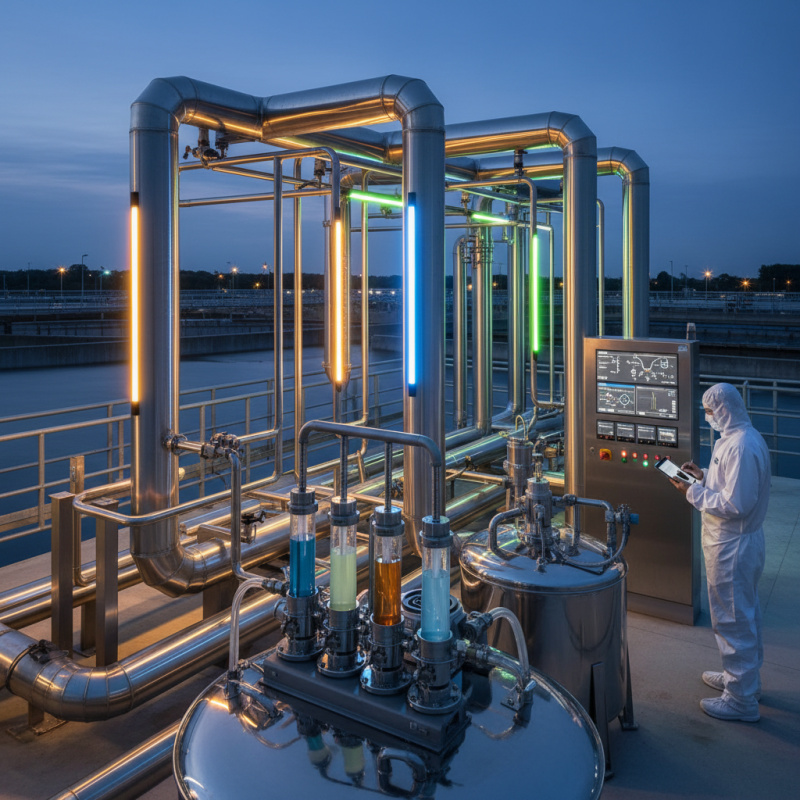
What is Poly Dosing in Water Treatment?
Poly dosing is a method used in water treatment that involves adding polymer solutions to enhance water quality. This process is crucial for removing contaminants effectively. Polymers help coagulate and flocculate suspended particles, making them easier to remove. The application of poly dosing can streamline operations in various water treatment facilities.
In many systems, the exact dosage of polymer can be tricky. Too much can lead to ineffective treatment, while too little might not achieve the desired results. Operators often face challenges in balancing these dosages. Real-time monitoring is essential, yet not all facilities have the resources for it. This highlights the importance of staff training and awareness in water treatment processes.
Poly dosing is not without flaws. Operational inconsistencies can arise, affecting water quality. Facilities must continually assess their practices. By refining these methods, they can make significant improvements. Ultimately, the goal is to ensure safe and clean water through effective treatment practices.
Poly Dosing in Water Treatment
Poly dosing is a critical process in water treatment facilities, enhancing the efficiency of coagulation and flocculation. The following chart illustrates the average chemical dosing rates for various types of polymers used in water treatment across different applications.
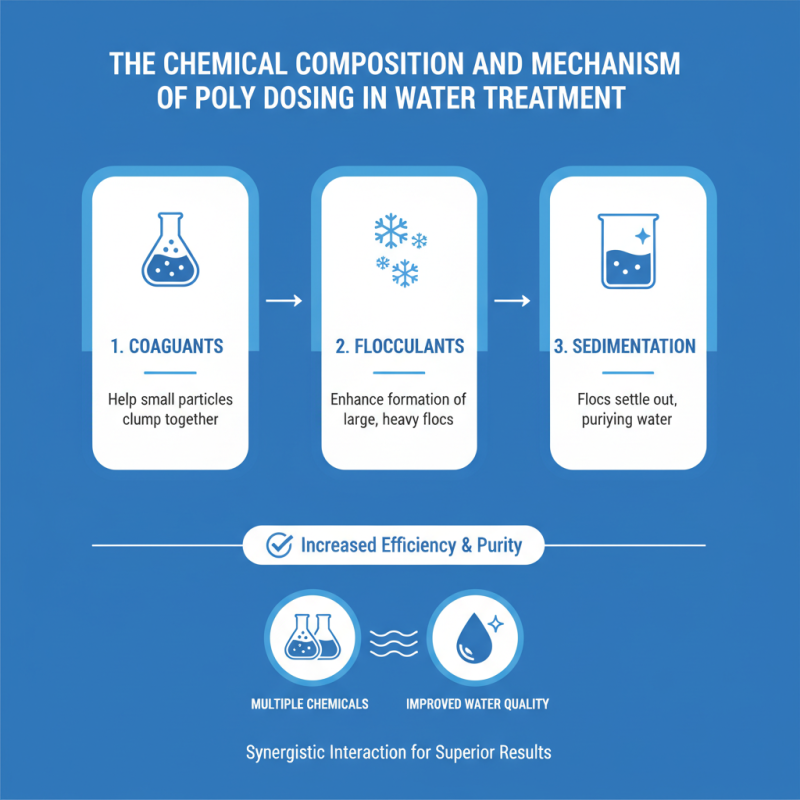
The Chemical Composition and Mechanism of Poly Dosing
Poly dosing in water treatment involves the simultaneous addition of multiple chemicals to improve efficiency. This technique has gained popularity due to its effectiveness. The underlying chemistry relies on the interaction between different agents. Each chemical has a specific role in water purification. For instance, coagulants help particles clump together, while flocculants enhance sedimentation.
The chemical composition of poly dosing varies based on water quality needs. Common agents include aluminum sulfate and polymers. These compounds work together to facilitate a faster settling process. By optimizing the mix, treatment plants can reduce costs and improve water clarity. However, the right balance is crucial. Overdosing can lead to negative effects, such as increased sludge formation.
Some facilities report issues with inconsistent results. Variability in source water makes it challenging to apply a one-size-fits-all approach. Monitoring is essential to ensure effectiveness. Adjustments may be required based on seasonal changes or contamination levels. A thorough understanding of chemical properties and interactions is vital for success in poly dosing.
Benefits of Poly Dosing in Water Treatment Systems
Poly dosing is a method used in water treatment that involves the precise addition of polymers. These polymers play a crucial role in enhancing water clarity and quality. By effectively removing impurities, poly dosing systems can lead to cleaner drinking water. This method is gaining popularity for its efficiency and cost-effectiveness.
One major benefit of poly dosing is the reduction of chemical wastage. The precise dosing of polymers means less excess chemicals are used. This leads to a decrease in overall operational costs. Additionally, this method helps in achieving swift coagulation and flocculation. This accelerates the water treatment process, making it reliable and efficient.
Tips: Regularly monitor dosing equipment. Check for wear and tear. It’s crucial for optimal performance. Adjust polymer types based on water quality. Each source may require different treatments.
Poly dosing also aids in compliance with environmental regulations. Many facilities find it easier to meet standards when using this method. However, proper training is necessary. Staff should understand polymer behavior and chemistry. This knowledge is key to achieving the best results.
Best Practices for Implementing Poly Dosing
Poly dosing in water treatment plays a crucial role in optimizing water quality. This process involves the precise addition of polymers to achieve coagulation and flocculation. Proper implementation of poly dosing can significantly enhance the efficiency of water treatment facilities. However, getting it right is not always straightforward.
When implementing poly dosing, it’s vital to ensure accurate metering. Inadequate dosing can lead to insufficient treatment and water quality issues. Regular calibration of dosing equipment can help. Training staff to check and monitor dosing rates improves reliability. Operators must also be aware of the environmental conditions affecting polymer performance. Too much or too little can create operational challenges.
Another important practice is to test the water regularly. It helps in adjusting the dosages as needed. Each water source is different and may require unique approaches. Sometimes, these adjustments are overlooked. Continuous training can keep the staff informed about best practices and emerging trends. Reflecting on past mistakes is key. Water treatment is complex, and each step should be treated with care.
Challenges and Considerations in Poly Dosing Applications
Poly dosing in water treatment presents unique challenges.
Precise measurement is crucial. Over-dosing can lead to water contamination.
Studies show that even small deviations can disrupt treatment processes. For instance, a report from the American Water Works Association indicates that inaccuracies can result in up to 30% efficiency loss.
Operators must consider system compatibility. Different water sources may react differently to polymers.
A polymer that works well in one facility may not be effective in another. Handling these substances requires training.
Workers must understand potential hazards. Not enough focus on safety can lead to accidents.
Another challenge involves monitoring and adjustments.
Real-time data is essential for effective dosing. Neglecting the importance of regular checks can compromise treatment quality.
In practice, many facilities struggle with adequate monitoring systems.
This gap can weaken overall water quality efforts.