What is Poly Dosing in Water Treatment and Why is it Important?
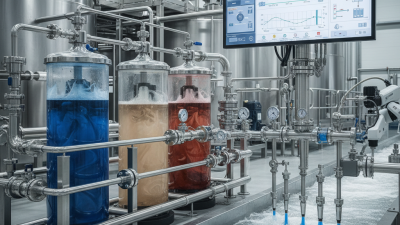
Poly Dosing in Water Treatment plays a crucial role in ensuring the efficacy of water purification processes. This method involves the precise addition of polymers to optimize coagulation and flocculation. By enhancing these key processes, Poly Dosing improves the removal of contaminants. The result is cleaner water, which is essential for public health and safety.
Understanding Poly Dosing in Water Treatment is vital for professionals in the field. It requires a careful balance of dosage and timing. Overdosing can lead to inefficiencies and increased costs. Under-dosing may result in inadequate treatment. Such imbalances highlight the importance of expert knowledge in the application of this technique.
In recent years, the significance of Poly Dosing has gained attention due to stricter water quality regulations. Regulatory agencies expect water treatment facilities to adopt best practices. The ongoing challenge is to integrate advanced technologies with traditional methods. Ensuring reliability in water treatment systems requires continuous evaluation and improvement.
Definition of Poly Dosing in Water Treatment
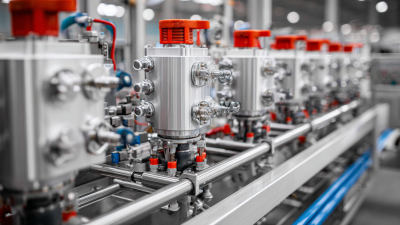
Poly dosing in water treatment refers to the controlled addition of various chemicals to enhance water quality. This process is crucial in managing contaminants and ensuring safe drinking water. Poly dosing systems can introduce coagulants, disinfectants, and other necessary agents in precise amounts. Operators can adjust the dosing based on real-time water quality data, ensuring effectiveness while preventing excess chemical use.
Effective poly dosing relies on understanding water chemistry and treatment goals. Each chemical plays a specific role; for instance, coagulants help remove suspended particles, while disinfectants eliminate pathogens. The challenge lies in balancing the dosages. Too much of a chemical can lead to negative effects, such as taste or odor issues in drinking water. Monitoring and adjusting dosages must be a continuous process to achieve optimal results.
With many water sources facing increasing pollution, poly dosing becomes essential. It allows treatment facilities to respond agilely to changing water conditions. However, not all facilities have the same level of expertise or resources. Continuous training and investment in technology are necessary to maximize the benefits of poly dosing. This complexity highlights the need for skilled operators in water treatment to ensure public safety and environmental health.
What is Poly Dosing in Water Treatment and Why is it Important?
| Parameter |
Description |
Importance |
| Chemical Composition |
Polymeric coagulants or flocculants. |
Enhances the removal of suspended solids. |
| Application Method |
Automated dosing systems for accuracy. |
Ensures optimal dosing, reducing waste. |
| Environmental Impact |
Minimizes chemical usage and runoff. |
Improves ecosystem health and compliance. |
| Cost Efficiency |
Reduces operational costs over time. |
Lower chemical and disposal costs. |
| Quality Assurance |
Consistent quality of treated water. |
Meets safety and health standards. |
The Role of Poly Dosing in Water Quality Management
Poly dosing is a critical component of water quality management. It involves the systematic addition of various chemicals to optimize water treatment processes. This method enhances the removal of contaminants, ensuring safe drinking water. According to the American Water Works Association, proper dosing can improve treatment efficiency by up to 30%.
Effective poly dosing addresses challenges in water treatment. It helps control pH levels, reduce turbidity, and manage disinfection by-products. Improper dosing can lead to insufficient treatment, risking public health. For instance, a report from the Environmental Protection Agency highlighted incidents where miscalculated dosing resulted in elevated microorganism levels in treated water.
In many facilities, dosing systems lack regular maintenance. This oversight can undermine the entire treatment process. Routine calibration of dosing pumps and regular monitoring of chemical concentrations are essential. A study from the Water Research Foundation indicated that facilities with a reliable dosing protocol had a 25% lower incidence of water quality failures. Balancing effective dosing practices with proper maintenance practices is vital for optimal water quality management.
Benefits of Poly Dosing for Water Treatment Systems
Poly dosing is a precise method in water treatment that enhances the efficiency of chemical dosing systems. By using polymers, this technique improves flocculation, sedimentation, and filtration processes. It ensures that treated water meets safety standards and reduces operational costs.
One major benefit of poly dosing is improved water clarity. It helps to eliminate particles and contaminants more effectively. This process not only enhances the aesthetic quality of water but also promotes better health outcomes for consumers. Moreover, poly dosing can lead to significant savings in chemical usage. By optimizing the dosage rate, facilities can minimize waste.
Tips: Regular monitoring of polymer dosage is crucial. Small adjustments can lead to notable improvements. Always analyze water quality parameters to determine the optimal amount of polymer needed. Attention to detail in this process can further enhance water treatment efficiency. Additionally, staff training on equipment use and maintenance can prevent malfunctions. Investing in employee knowledge yields long-term benefits.
Furthermore, while poly dosing is effective, it requires careful handling and storage of chemicals. Mismanagement can lead to potential issues in treatment quality. Facilities should prioritize safety measures and robust protocols to ensure best practices. Balancing efficiency and safety is essential for sustainable water treatment.
Benefits of Poly Dosing in Water Treatment Systems
This chart illustrates the benefits of poly dosing in water treatment systems, showing the percentage of improvement in various aspects such as cost savings, water quality, operational efficiency, reduced chemical use, and compliance with regulations.
Applications of Poly Dosing in Various Water Treatment Processes
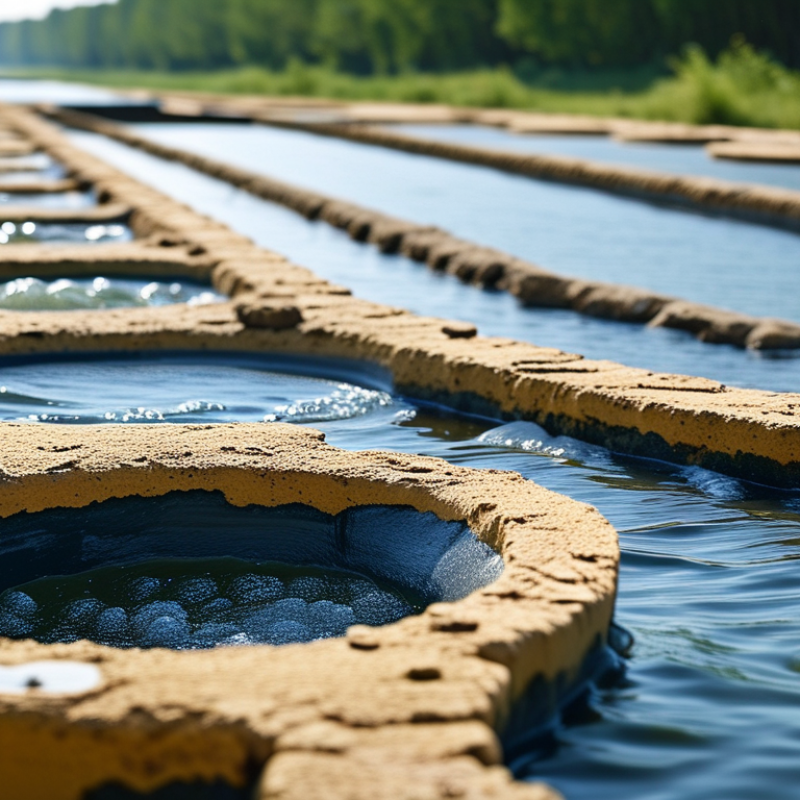
Poly dosing plays a crucial role in various water treatment processes. This method involves adding multiple coagulants and flocculants simultaneously to enhance water clarity. Studies show that optimal dosing can improve the removal efficiency of contaminants, including suspended solids and organic matter. According to the American Water Works Association, proper dosing can lead to a 30% increase in water treatment efficiency.
Many industries utilize poly dosing effectively. In municipal water treatment, this approach helps meet regulatory standards for safe drinking water. The treatment plants often battle varying water quality challenges. For example, during heavy rainfall, the influx of pollutants demands rapid adjustments in dosing strategies. Poly dosing allows for flexible responses to changing conditions.
Additionally, poly dosing finds applications in wastewater treatment plants. Here, it aids in reducing phosphorus and nitrogen levels significantly. Reports indicate that optimized coagulant combinations can decrease pollutants by up to 50%. However, challenges remain, such as the need for precise monitoring. Even minor dosing errors can lead to imbalances, affecting the overall treatment process. Thus, continuous improvement in dosing techniques and monitoring systems is essential.
Challenges and Best Practices in Implementing Poly Dosing Techniques
Poly dosing is a crucial technique in water treatment.
It involves the careful addition of coagulants to enhance the removal of impurities.
However, implementing poly dosing techniques comes with its own set of challenges.
The precision needed in dosage requires constant monitoring. Parameters such as flow rate,
water quality, and chemical properties must be tracked meticulously.
One significant challenge is the variability in water sources. Changes in turbidity or
pH levels can affect dosage efficiency. This necessitates real-time adjustments.
Staff training is also vital. Operators must understand both the equipment and the science behind dosing.
Miscalculations can lead to ineffective treatment or even hazardous conditions.
Best practices in poly dosing include regular system audits and maintenance. Establishing clear protocols ensures
consistency. Using advanced monitoring technology can help streamline processes.
However, it’s important to remain adaptable. Flexibility in methods allows for responses to unexpected changes
in water quality. Continuous improvement will lead to more reliable water treatment outcomes.