What is Polymer Dosing and How Does it Work?
Polymer Dosing is a crucial process in various industries, especially in water treatment and chemical processing. Dr. Jane Smith, a leading expert in polymer technology, emphasizes its significance, stating, "Effective Polymer Dosing can significantly enhance operational efficiency." This method involves adding specific polymers to improve flocculation and sedimentation.
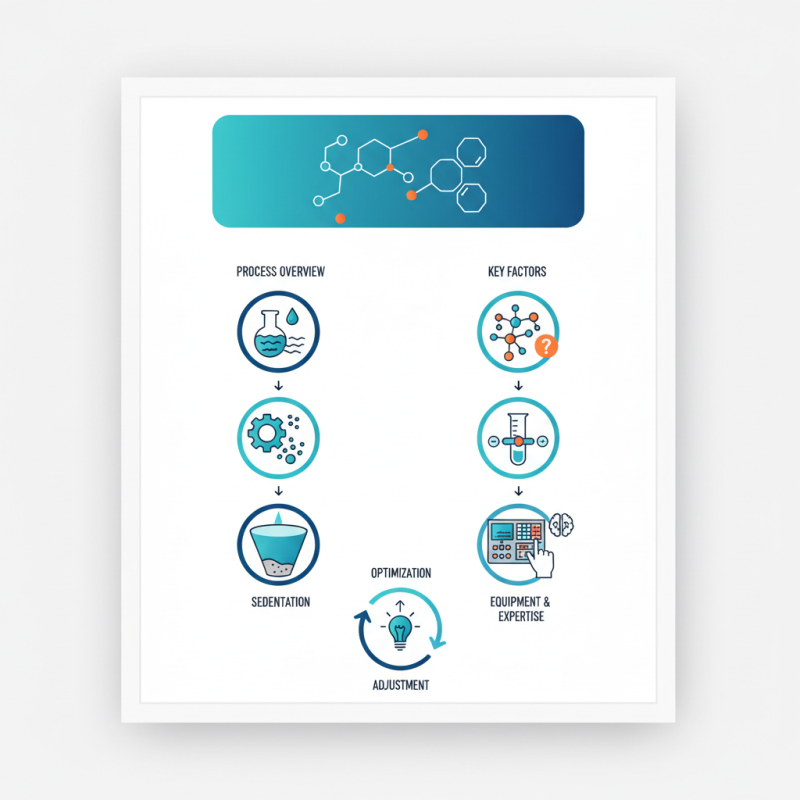
In practice, Polymer Dosing is not as straightforward as it seems. Selecting the right polymer type is essential. Different applications require different polymers. Careless choices can lead to inefficiencies. Moreover, achieving the right dosing concentration is key. Too much or too little can impact the results.
Operators often face challenges with equipment and control systems. Training and experience can make a significant difference in outcomes. Sometimes, even small adjustments yield noticeable improvements. As industries embrace Polymer Dosing, continuous reflection and learning are vital for optimizing processes.
What is Polymer Dosing in Water Treatment Processes?
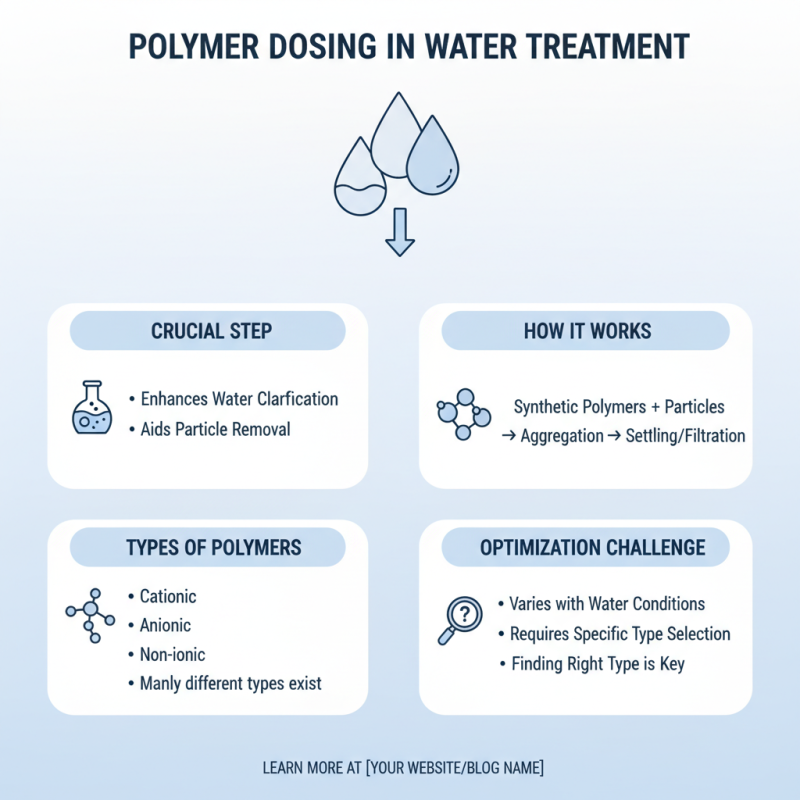
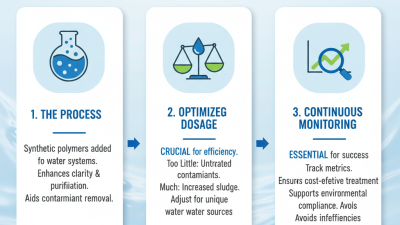
Polymer dosing is a crucial step in water treatment. It involves adding synthetic polymers to enhance water clarification. These polymers aid in the aggregation of particles, promoting their removal from water through settling or filtration. Different types exist, each with unique properties. Some work better in specific conditions than others. Finding the right type can be challenging.
In a water treatment facility, dosage must be precise. The wrong amount can lead to flocculation issues. Insufficient polymer might leave particles suspended, while excessive use can create a thick sludge. Operators often adjust dosage based on water quality tests. This requires continuous monitoring and testing. It’s a balance that requires skill and experience.
The process isn’t perfect. Sometimes, operators rely on past data without thorough tests. This can lead to inefficiencies. Not every polymer behaves the same under varying conditions. There’s always room for improvement in understanding how different polymers interact with various contaminants. This knowledge gap can impact treatment effectiveness and costs. Ultimately, improving polymer dosing requires constant learning and adaptation.
The Role of Polymers in Enhancing Clarification and Filtration
Polymers play a crucial role in enhancing clarification and filtration processes across various industries. These large molecules are designed to interact with suspended particles in liquids. When introduced into the water or other mixtures, they can significantly improve clarity and purity.
The mechanism is straightforward. Polymers create a network that traps solid particles. This agglomeration process leads to larger clusters, which can be easily removed during filtration. The efficiency of this method saves time and resources. It can also lead to reduced chemical usage in treatment processes.
Tip: Always monitor polymer dosage closely. Too little may result in inadequate clarification, while too much can lead to excess foam or residue.
Adjustment may be necessary. Each application is unique. It is crucial to test polymers on a small scale before full implementation. Small errors in mixing can lead to big impacts in outcome.
Tip: Conduct regular evaluations of your filtration processes. This will help identify if your polymer dosing needs adjustment. Continuous improvement is key in achieving optimal results.
Mechanisms of Polymer Dosing: Coagulation and Flocculation Explained
Polymer dosing plays a crucial role in water treatment and industrial processes. Understanding the mechanisms of coagulation and flocculation is essential. Coagulation is the initial step. It involves destabilizing colloidal particles in water. This is where polymers come into action. They neutralize the charges on particles, allowing them to stick together.
Flocculation follows coagulation. It helps form larger aggregates called flocs. During this stage, gentle mixing is key. This encourages these flocs to grow larger and settle down more efficiently. Polymers increase the size and weight of these flocs, making the separation process more effective. Yet, achieving optimal results requires precise dosing. Too much or too little can be detrimental.
Variability in water quality can complicate polymer dosing. Each situation may demand a different polymer type or dosage. Relying on a one-size-fits-all approach may lead to underperformance. Continuous monitoring is vital to adjust accordingly. It's a balancing act that requires attention to detail. This need for careful management introduces opportunities for improvement in existing practices.
What is Polymer Dosing and How Does it Work? - Mechanisms of Polymer Dosing: Coagulation and Flocculation Explained
| Parameter |
Description |
Importance |
Typical Values |
| Polymer Type |
Types of polymers used in dosing |
Determines efficiency in coagulation |
Anionic, Cationic, Non-Ionic |
| Dosage Rate |
Amount of polymer added per unit volume |
Critical for optimal flocculation |
0.1 - 5 mg/L |
| Mixing Time |
Duration for effective mixing of polymer with water |
Ensures proper distribution and reaction |
1 - 5 minutes |
| pH Range |
Optimal pH for polymer activity |
Affects polymer charge and flocculation efficiency |
6.5 - 8.5 |
| Retention Time |
Time flocs remain in treatment area |
Influences settling and clarity of treated water |
10 - 30 minutes |
Industry Standards and Dosage Guidelines for Effective Polymer Use
Polymer dosing is crucial in various industries. It enhances processes like water treatment and sludge dewatering. Accurate dosing can significantly improve efficiency. However, the right dosage depends on many factors, such as water characteristics and specific applications. Miscalculations can lead to ineffective treatment or excessive costs.
Industry standards recommend testing polymer doses frequently. Conducting jar tests helps determine optimal polymer concentration. This step is often overlooked, leading to issues in treatment processes. Operators must pay attention to variations in feed water quality. Adjusting polymer dosage dynamically ensures better results.
Guidelines often suggest starting with a conservative approach. Gradually increasing the dose allows for fine-tuning. This strategy minimizes waste and avoids overuse. Continuous monitoring is essential. Regular calibration of dosing equipment is equally important. Without this, inaccuracies may arise, reducing overall efficiency. Attention to detail is key for successful polymer dosing practices.
Polymer Dosing Effectiveness
This bar chart illustrates the effectiveness of polymer dosing at various concentrations, showcasing how increased dosage enhances flocculation performance.
Impact of Polymer Dosing on Operational Efficiency and Cost Savings
Polymer dosing significantly influences operational efficiency in various processes. It enhances performance in water treatment and other industries. By using polymers, facilities can reduce the amount of sludge generated. This mechanistic change can lead to easier handling and disposal. However, operators must fine-tune doses to match water quality variations, which can be challenging.
Cost savings are another critical aspect of polymer dosing. Properly optimized dosing reduces chemical waste, leading to lower library expenses. Over time, this optimization contributes to a stable operational budget. Despite its benefits, suppliers sometimes provide inconsistent quality. Such variability can impact performance and increase costs unexpectedly. Regular testing and adjustments are essential to address these issues effectively.
Furthermore, while polymer dosing can streamline processes, its implementation is not without complications. Sometimes, overuse can lead to operational hiccups. This includes filament formation or increased viscosity in processes. Facilities must monitor closely to prevent these problems. Continuous improvement is necessary for sustainable success.