Polymer Dosing Control Tips for Enhanced Efficiency?
Polymer Dosing Control is a critical aspect of various industries, particularly in wastewater treatment and polymer manufacturing. According to industry expert Dr. Jane Smith, "Effective Polymer Dosing Control significantly improves operational efficiency." Her insights emphasize the importance of precision and consistency in dosing applications.
Many facilities struggle with dose rate fluctuations and inconsistent polymer quality. These issues often result in inefficiencies and increased operational costs. Managing these factors requires careful monitoring and adjustment to achieve optimal results. Implementing advanced dosing technologies can be beneficial, yet many operators still rely on outdated methods.
While there is a wealth of knowledge available, misconceptions about Polymer Dosing Control persist. Some believe that a higher dosage always leads to better outcomes. This is not always true and can lead to overspending. To enhance efficiency, operators must prioritize training and seek continual improvements in their processes. Understanding the nuances of Polymer Dosing Control is key to unlocking its full potential.
Understanding Polymer Dosing: Basics and Importance for Efficiency
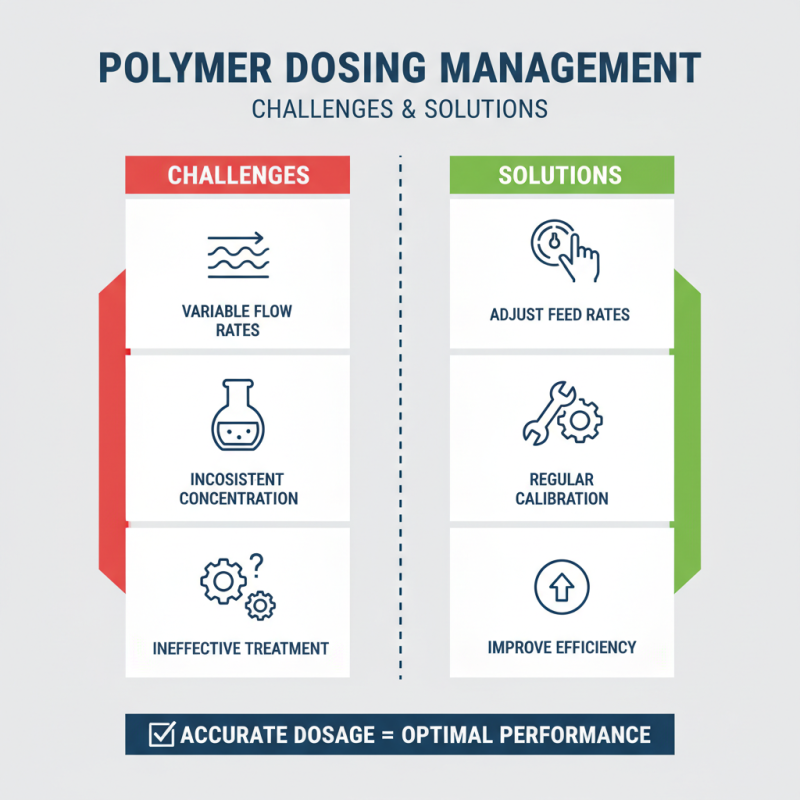
Polymer dosing is crucial in various industries. It improves efficiency in wastewater treatment, paper manufacturing, and many more. Understanding the basics can make a big difference. Accurate dosing ensures optimal performance of the polymer. Too little and the desired effect won’t be achieved. Too much can lead to excess costs and ineffective processes.
Monitoring the polymer concentration is key. Adjustments may be needed based on specific conditions. For example, temperature and flow rates can influence performance. Operators often face challenges in real-time monitoring. Sometimes, the equipment fails to provide accurate readings. This can lead to either over or under-dosing, impacting both efficiency and costs.
Moreover, training staff can be overlooked. Engaged and informed personnel can make better decisions. Regular maintenance of dosing equipment is also important. If the machinery isn't functioning correctly, the output quality may suffer. Reflecting on these aspects can highlight areas for improvement. Emphasizing a proactive approach will enhance overall efficiency in polymer dosing.
Polymer Dosing Control Efficiency
This chart illustrates the efficiency of polymer dosing at different levels: Low Dosing results in 45% efficiency, while Optimal Dosing achieves 85% efficiency, and High Dosing results in 65%. Proper dosing control is critical for maximizing operational efficiency.
Key Factors Influencing Polymer Dosing Control in Applications
Effective polymer dosing control is critical for optimizing performance in various applications. A recent industry report noted that improper dosing can lead to a 15% reduction in efficiency. This inefficiency often stems from fluctuating feed rates, inconsistent polymer qualities, or inaccurate measurement systems. Addressing these factors is essential.
Key factors influencing polymer dosing include the viscosity of the polymer solution and the mixing dynamics. A study indicated that adjusting the polymer's viscosity can enhance the mixing process, resulting in better performance.
Another critical aspect is the dosing equipment. Even the slightest malfunction can disrupt the entire application. Regular maintenance and calibration of dosing pumps can result in a 10% efficiency boost.
It's also important to consider the type of application. Different operations may require unique dosing strategies. For instance, municipal water treatment may differ significantly from industrial applications. These variations often result in overlooked parameters.
Many operators underestimate the impact of temperature and pressure variations on polymer performance. A thorough analysis of these factors can lead to enhanced efficiency and performance in the long run.
Techniques for Monitoring Polymer Dosage in Real-time Systems
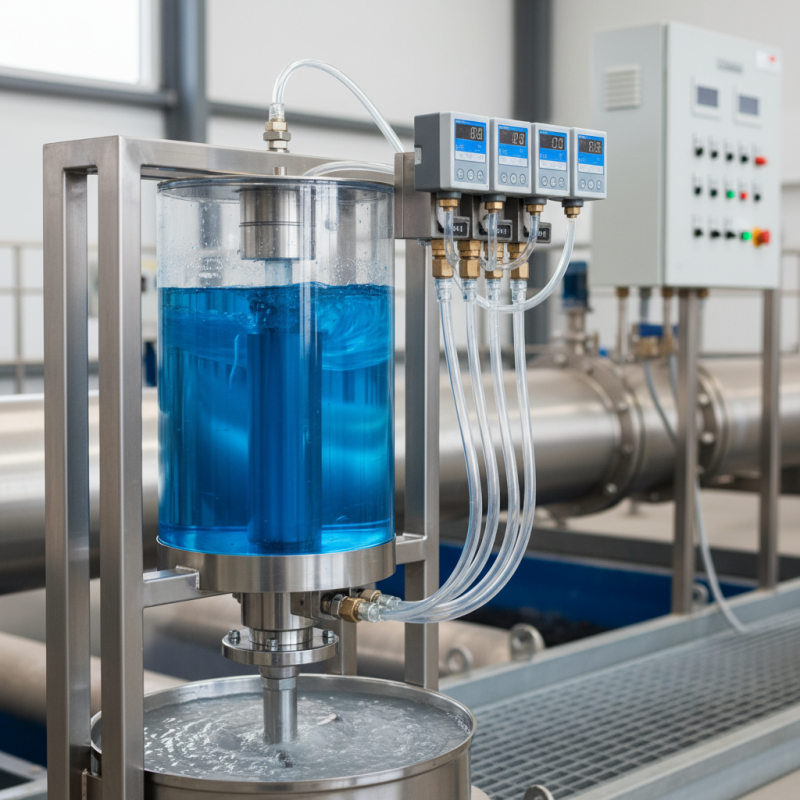
Real-time monitoring of polymer dosage can significantly enhance system efficiency. Accurate dosage ensures better mixing and improved treatment outcomes. Technologies vary, but most focus on real-time feedback. Sensors, for instance, can track flow rates and concentrations. These data points help operators adjust dosages promptly. However, calibration is crucial. Inaccurate settings can lead to subpar results.
Operators often overlook small discrepancies in dosage. A few grams too much or too little can make a difference. Regular assessment of measurement tools helps catch these errors. This practice creates a more responsive system. Visual displays showing real-time data can serve as constant reminders for operators. They can identify trends and make necessary adjustments swiftly.
Embracing automation in monitoring processes can also be beneficial. Automated systems can reduce human error. Despite their advantages, they may lack flexibility in unique situations. An operator's judgment remains invaluable. Finding a balance between technology and human insight is key. Continuous learning and adaptation should be the goal for all operations.
Polymer Dosing Control Tips for Enhanced Efficiency
| Parameter |
Target Value |
Current Measurement |
Adjustment Needed |
| Polymer Concentration (%) |
0.5 |
0.45 |
Increase by 11.1% |
| Flow Rate (L/min) |
10 |
9.5 |
Increase by 5.3% |
| Dosing Time (min) |
20 |
18 |
Increase by 11.1% |
| Viscosity (cP) |
10 |
12 |
Decrease by 16.7% |
| Temperature (°C) |
25 |
27 |
Decrease by 8% |
Best Practices for Optimizing Polymer Dosing Processes
Optimizing polymer dosing processes is critical for enhancing efficiency in various industries. A report from the American Chemical Society reveals that well-optimised dosing can improve solids removal by up to 30%. This is significant for industries like wastewater treatment, where efficiency directly impacts operational costs.
Accurate measurements are essential. Inaccurate polymer dosing can lead to ineffective coagulation and flocculation, resulting in higher operational expenses. Many plants overlook the importance of regular calibration of dosing equipment. A study published by Environmental Science & Technology suggests that even minor discrepancies in dosing can increase polymer usage by 20%.
Implementing online monitoring systems can help ensure accuracy during the dosing process. Such systems can adjust the polymer feed rate in real-time based on flow parameters. However, many companies still rely on manual adjustments, which often lead to inconsistencies. Reflecting on this, it's clear that better training and technology integration are necessary to fully realize the benefits of optimized polymer dosing. Regular reviews of dosing performance are also essential for continuous improvement.