Top 5 Tips for Choosing an Automatic Dosing System?
Choosing the right Automatic Dosing System is crucial for optimizing operational efficiency. According to a recent market report by Allied Market Research, the global automatic dosing system market is projected to reach $3.5 billion by 2027, reflecting a significant demand in various industries, including water treatment and pharmaceuticals. Industry expert Dr. John Hartman emphasizes, "Selecting the right dosing technology can greatly influence safety and cost-effectiveness."
An effective Automatic Dosing System minimizes human error. Precision in chemical dosing can enhance product quality and maintain regulatory compliance. Yet, many companies overlook the importance of system scalability. As production needs change, the ability to adapt dosing systems is vital. A system that cannot scale may lead to inefficiencies.
Furthermore, user training is often neglected. Even the best technology requires knowledgeable operators. Accurate dosing brings significant benefits, but it demands continuous reflection on system performance and operator skill levels. Inadequate training can lead to costly mistakes, underscoring the need for a thorough evaluation before making an investment in an Automatic Dosing System. Balancing technology with human expertise is essential for success.

Understanding the Basics of Automatic Dosing Systems
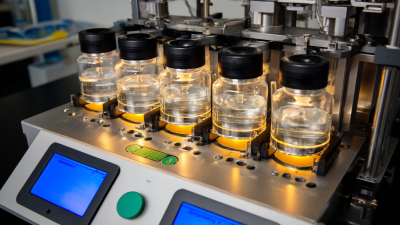
Automatic dosing systems play a crucial role in managing liquid chemicals in various industries. By automating the process, operators can ensure precise chemical measurements, enhancing consistency and safety. According to a report by ResearchAndMarkets, the global market for automatic dosing systems is projected to reach $1.5 billion by 2025, growing at a CAGR of 6%. This growth highlights the increasing reliance on precise chemical management.
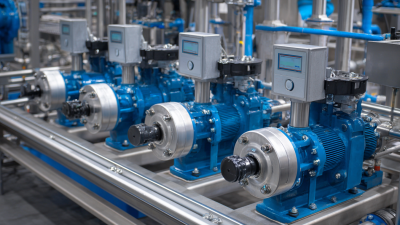
Understanding the components of these systems is key. An automatic dosing system typically includes pumps, controllers, and sensors. The integration of sensors allows real-time monitoring, minimizing human error. A study by the International Journal of Industrial Engineering & Management suggests that errors in manual dosing can lead to a 30% increase in costs due to material waste. Moreover, improper dosing can compromise product quality, resulting in significant financial losses.
Despite their advantages, these systems are not without challenges. Initial setup costs can be high, and ongoing maintenance is critical for optimal performance. It is vital to consider these factors when investing in a dosing system. Not all solutions are one-size-fits-all. Customization based on specific industry needs is often necessary. Continuous evaluation of dosing accuracy remains essential, as even minor deviations can impact overall results.
Top 5 Factors to Consider When Choosing an Automatic Dosing System
This chart displays the importance of key factors to consider when selecting an automatic dosing system. The data reflects a survey of industry professionals regarding their priorities.
Evaluating Different Types of Dosing Technologies
When evaluating different types of dosing technologies, it’s vital to consider their operational effectiveness. These systems vary in design and functionality, impacting their suitability for various applications. Some systems use pumps for precise flow control, while others rely on gravimetric dosing for accuracy. Understanding the process requirements and fluid characteristics is essential before making a choice.
Analyzing the automation level is crucial. Some systems offer manual adjustments, while others provide advanced monitoring. It can be challenging to navigate through these options. Selecting a technology that adapts to your operation’s specific needs may take time. Examine past usage reports and seek feedback from operators to pinpoint the strengths and weaknesses of various systems. This tailored approach helps in finding the right fit for your needs.
Assessing System Compatibility with Existing Equipment
When selecting an automatic dosing system, assessing compatibility with existing equipment is
crucial. Your new system should seamlessly integrate with what you already have.
Evaluate the technical specifications of your current machinery. This includes checking
dimensions, power requirements, and connection types. Precision in these details ensures
operational efficiency and minimizes unnecessary downtime.
Understand that not all systems will align perfectly. Discrepancies may arise with software compatibility or communication protocols.
It’s vital to consult with technical experts who understand the nuances of your setups.
They can guide you through adjustments or suggest alternatives to bridge any gaps. Sometimes, a seemingly minor incompatibility can lead
to bigger performance issues over time.
Also, consider future expansions. A solution that fits well today might not adapt easily tomorrow.
Think about your long-term goals when making a choice. Avoid hasty decisions driven by immediate needs. Assessing these aspects can
save you headaches later. This reflection can lead to a more robust and flexible operation down the line, ensuring that your processes
remain efficient and reliable.
Determining the Required Accuracy and Precision Levels
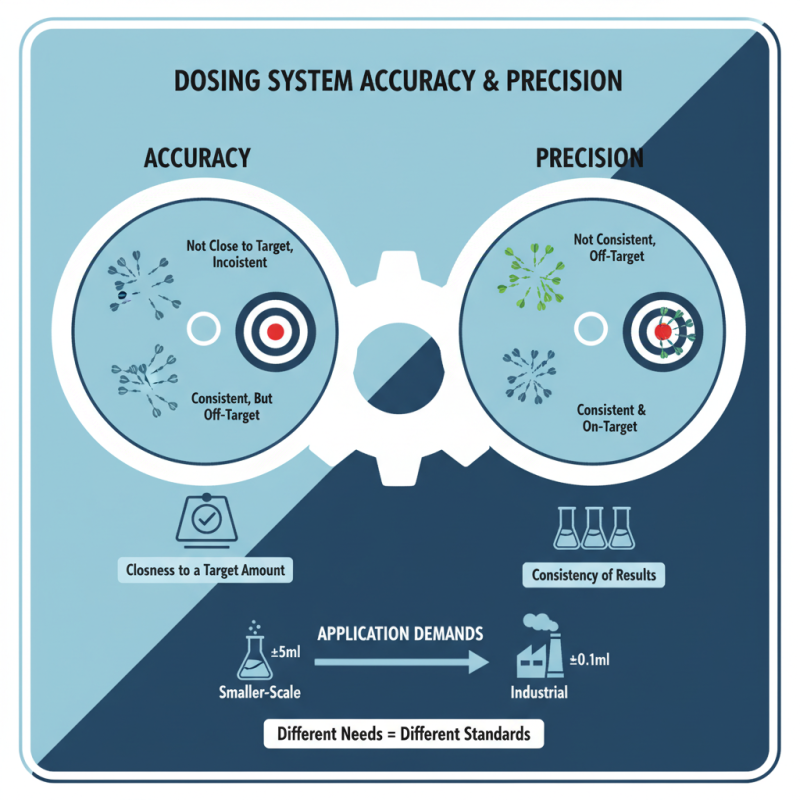
When choosing an automatic dosing system, the required accuracy and precision levels are crucial. Different applications demand different standards. It is essential to understand how precise your dosing needs to be. Accuracy refers to how close a dosing system comes to a target amount, while precision indicates the consistency of the results. For instance, industrial applications might require tighter tolerances than a smaller scale operation.
Choose systems that clearly indicate their capabilities. Look for specifications that detail the accuracy and precision range. It's essential to ensure that the system can meet your specific needs. If you're uncertain, consulting with experts can be a beneficial step. They can assist in determining the right specifications to match your operational requirements.
Testing is another significant aspect. No system is perfect, and some setups may not deliver as expected. Conducting trials can highlight whether the system meets your desired outcome. This process reveals strengths and weaknesses. Make adjustments as necessary. Regular evaluation can help maintain the desired level of performance steadily.
Analyzing Maintenance Needs and Support Options
When selecting an automatic dosing system, maintenance needs and support options significantly impact long-term satisfaction. Regular maintenance is crucial. A survey by Global Water Intelligence reveals that nearly 30% of dosing system failures stem from inadequate maintenance practices. Facilities must understand the routine checks necessary for optimal performance, such as ensuring the calibration of pumps and the integrity of sensors.
Moreover, the availability of technical support is vital. A report from the American Association of Chemical Engineers indicates that companies with robust support systems experience 20% fewer operational disruptions. Reliable technical support provides timely assistance, ensuring minimal downtime. Don't overlook the value of accessible resources, training, and prompt service in your selection process.
Choosing the right automatic dosing system is not just about initial setup costs. It also involves evaluating the long-term implications of maintenance and support. Organizations should consider the system's complexity. Systems that appear user-friendly may still require specialized training. Ignoring this can lead to operational inefficiencies and increased costs. Take the time to assess both routine maintenance requirements and the quality of support services before making a final decision.