Top 5 Benefits of Automatic Dosing Systems for Industries?
In recent years, the industrial landscape has witnessed a significant shift towards more efficient processes. One innovation leading this charge is the Automatic Dosing System. According to a report by MarketsandMarkets, the automatic dosing market is projected to reach USD 4.5 billion by 2025, reflecting a growing trust in automated solutions. This trend raises important questions about efficiency and precision in various sectors.
Experts like Dr. Emma Thompson, a leading researcher in industrial automation, affirm the importance of these systems. She states, “Automatic Dosing Systems are revolutionizing how industries manage chemicals, ensuring consistency and safety.” With increasing regulatory pressures, industries cannot afford irregularities in dosing processes, making these systems vital.
However, the adoption is not without challenges. Implementing technology can disrupt existing workflows. Businesses must remember that transitioning to an Automatic Dosing System requires careful planning and training. The perceived simplicity of automation should not overshadow the responsibility of managing these advanced systems effectively. Balancing innovation with operational realities can yield significant benefits in the long run.
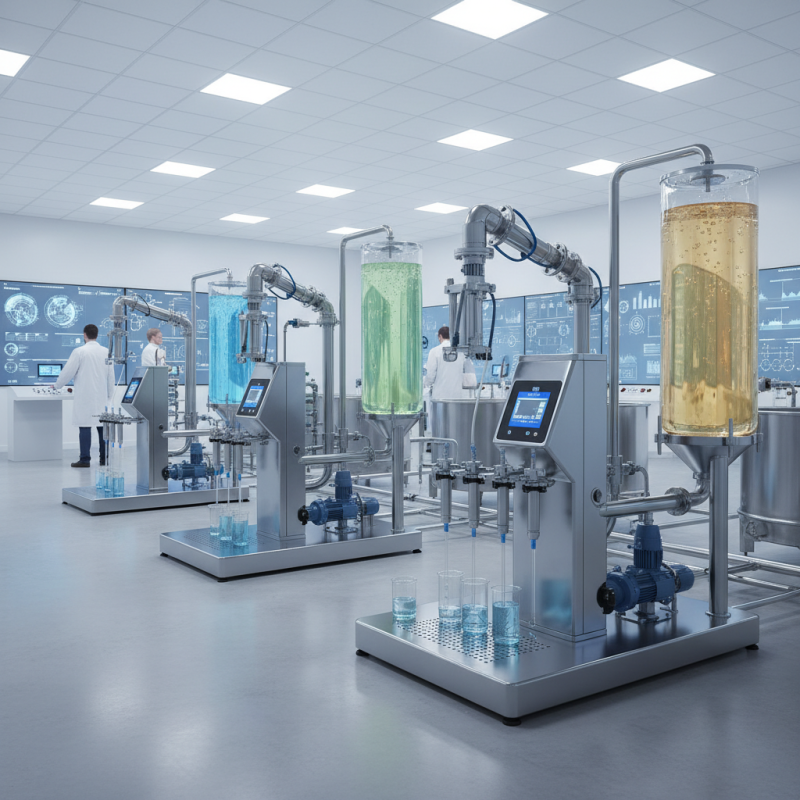
Benefits of Automatic Dosing Systems in Enhancing Accuracy and Precision
Automatic dosing systems are revolutionizing industries by enhancing accuracy and precision. These systems utilize advanced technologies, leading to significantly reduced human error. A report by the International Society of Automation indicates that automated systems can increase dosing accuracy by up to 98%. This level of precision is crucial in sectors like pharmaceuticals, where even small deviations can impact product quality.
Moreover, automation minimizes waste. A study by the American Chemical Society highlights that companies employing automatic dosing reduced material waste by approximately 30%. This efficiency not only saves costs but also benefits the environment. Industries can align operational practices with sustainability goals through precise dosing.
Tip: Consider integrating sensors that monitor real-time data for continuous improvement. Keeping systems updated ensures you take advantage of the latest accuracy technologies.
In practice, however, transition issues can arise. Organizations may face resistance from workers who fear job loss. Training programs can alleviate this concern, fostering a culture of innovation. Regular feedback loops between operators and management help identify areas for improvement in system functionality.
Tip: Always assess system reports to understand dosing patterns. Analyzing trends can reveal opportunities for further optimization.
Top 5 Benefits of Automatic Dosing Systems for Industries
| Benefit |
Description |
Impact on Operations |
| Accuracy |
Ensures precise measurement of chemicals and materials. |
Reduces waste and improves product quality. |
| Efficiency |
Automates the dosing process, minimizing manual labor. |
Increases overall production speed. |
| Safety |
Reduces human exposure to hazardous materials. |
Decreases the likelihood of accidents in the workplace. |
| Cost Savings |
Minimizes the costs associated with overuse of materials. |
Improves profit margins through better resource management. |
| Data Monitoring |
Provides real-time data on dosing processes. |
Enhances the ability to make informed operational decisions. |
Reduction in Chemical Waste: Financial and Environmental Impacts
Automatic dosing systems offer significant advantages for industries. One of the most pressing benefits is the reduction in chemical waste. This not only cuts costs but also promotes environmental sustainability. Utilizing precise measurements, these systems minimize excess chemicals. Consequently, fewer hazardous materials enter landfills and water systems.
To properly manage your dosing system, focus on regular maintenance. Ensuring that equipment is functioning optimally prevents leaks and errors, which can lead to waste. Training staff on proper usage is equally crucial. Even minor miscalculations can result in significant waste.
The financial implications are also noteworthy. Reducing chemical waste translates to lower purchasing costs. Additionally, companies may benefit from tax incentives for adopting eco-friendly practices. It's vital to assess all potential benefits to justify investments in automatic dosing systems. Evaluate waste reductions and costs regularly to identify areas for further improvements.
Top 5 Benefits of Automatic Dosing Systems for Industries
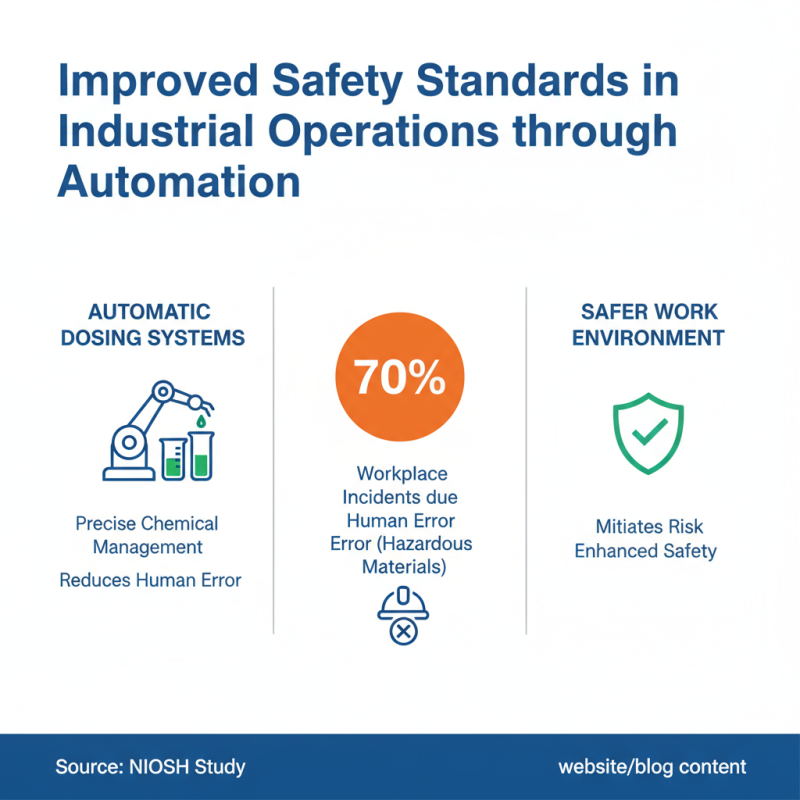
Improved Safety Standards in Industrial Operations through Automation
The integration of automatic dosing systems in industrial operations significantly enhances safety standards. These systems ensure precise chemical management, reducing the risk of human error. According to a recent study by the National Institute for Occupational Safety and Health, over 70% of workplace incidents are attributed to human mistakes in handling hazardous materials. Automating dosing mitigates this risk, leading to a safer work environment.
Moreover, automatic dosing systems increase consistency in chemical applications. A 2022 report from the Association for Chemical Safety highlighted that businesses using these systems reported a 30% reduction in chemical leaks and spills. This is critical not only for employee safety but also for environmental protection. While the benefits are clear, it’s essential to acknowledge the training required for staff to operate these systems effectively. Miscommunication can still lead to issues, even with advanced technology.
Emphasis on regular maintenance checks is vital. Automatic systems, while reliable, still require oversight to prevent malfunctions. The risk of equipment failure, though lower than manual methods, cannot be overlooked. Industries must balance automation with diligent monitoring to truly enhance safety standards.
Time Efficiency: Streamlining Processes with Automatic Dosing Systems
Automatic dosing systems are revolutionizing industrial processes. They significantly enhance time efficiency by reducing manual intervention. Tasks that once took hours can now be completed in minutes. Automating the dosing process minimizes human error, ensuring precise measurements of materials. This leads to consistent product quality, which many industries depend on.
Consider the example of a chemical manufacturing facility. Manual dosing can lead to variability in product composition. With an automatic system, accuracy is maintained, reducing waste and saving time. Operators can focus on monitoring systems rather than performing repetitive tasks. This changes the workflow, allowing more time for analysis and innovation.
However, errors can still occur. An automatic system requires regular calibration and maintenance, and neglecting this can lead to inaccuracies. Industries must remain vigilant to ensure these systems operate optimally. Balancing technology and human oversight is essential for achieving the best results. Acknowledging potential flaws helps refine processes for increased reliability.
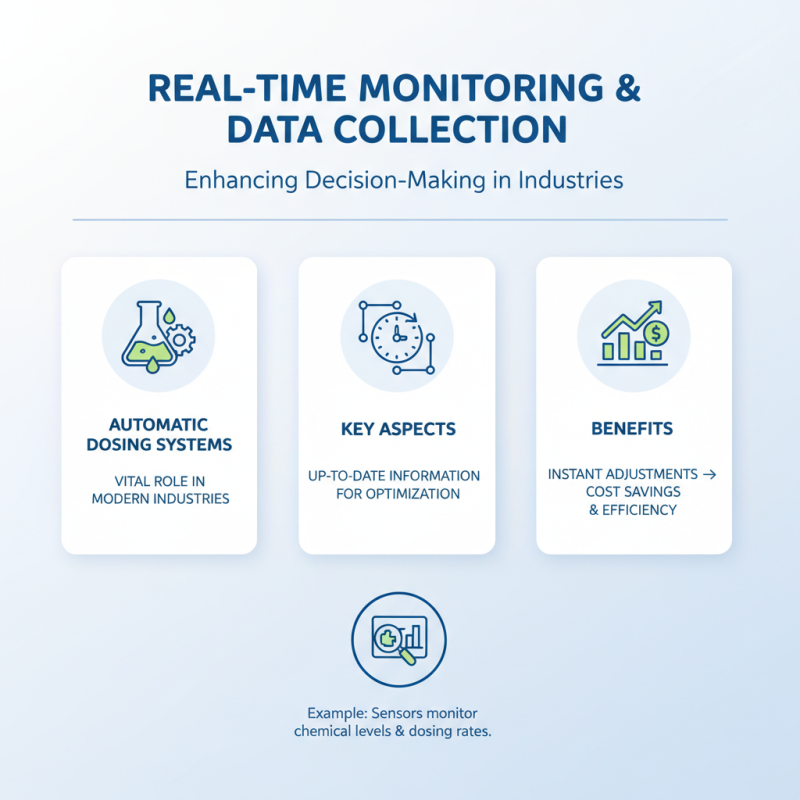
Real-time Monitoring and Data Collection: Enhancing Decision-Making in Industries
Automatic dosing systems play a vital role in modern industries. Real-time monitoring and data collection are crucial aspects of these systems. They enhance decision-making by providing up-to-date information. This helps industries optimize their processes and improve overall efficiency. For instance, sensors collect data on chemical concentrations and dosing rates. This allows operators to adjust parameters instantly. Such agility can lead to significant cost savings.
Moreover, data collection aids in identifying trends. Industries can analyze historical data to predict future needs. This predictive capability prevents overuse and waste, fostering sustainability. However, reliance on automated data can be a double-edged sword. If the system malfunctions or collects inaccurate data, decisions made could lead to errors. Careful calibration and routine checks are essential.
Implementing these systems doesn't eliminate human oversight. Operators remain crucial for interpreting data and making nuanced decisions. The balance between technology and human expertise is essential. Continuous training for staff is necessary to adapt to technological advancements. Finding this equilibrium is an ongoing challenge for many industries. The benefits of automatic dosing systems are clear, yet the journey towards optimal use requires reflection and adaptation.