Leave Your Message

China Best Dewatering Press Manufacturers for Global Buyers

China has become a major sourcing base for industrial wastewater and sludge-treatment equipment. For global buyers, selecting the best Dewatering Press manufacturer requires more than comparing prices. It requires verified production experience, material quality, testing records, and responsive technical support.

The UNESCO World Water Development Report 2024 states that 2.2 billion people lacked safely managed drinking water in 2022. It also reports that 3.5 billion people lacked safely managed sanitation. These figures show why reliable sludge reduction equipment matters. A well-designed Dewatering Press can reduce sludge volume, lower transport costs, and improve downstream handling. However, performance depends on sludge type, polymer selection, feed concentration, and operating pressure. Brochures rarely tell the whole story.

The Global Water Intelligence Global Water Market 2024 report also highlights continuing investment in water and wastewater infrastructure. China’s manufacturing strength supports this demand through stainless-steel fabrication, automated control systems, and flexible customization. Yet “best” should not mean “largest.” It should mean measurable performance under real conditions.

Wastewater-treatment expert George Tchobanoglous has stated, “The goal of wastewater treatment is to protect public health and the environment.” That principle remains practical for every purchasing decision. Buyers should request independent test results, complete energy data, cake-solids guarantees, and references from comparable plants. Ask difficult questions.

A manufacturer may offer an impressive showroom, but actual reliability appears beside a running machine, where filtrate clarity, belt tracking, noise, and cake dryness can be observed. Some published specifications may look incomplete. That is precisely why factory audits and pilot testing deserve attention before signing an international supply agreement.
China Best Dewatering Press Manufacturers for Global Buyers

Dewatering Press Basics and Key Performance Factors

China Best Dewatering Press Manufacturers for Global Buyers
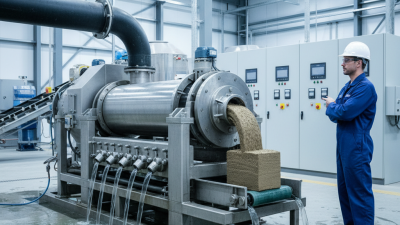
A dewatering press separates water from sludge through controlled compression. In a screw press, a rotating shaft moves material through a screened cylinder. Pressure gradually increases as the outlet gap narrows. The process is usually quieter and less energy-intensive than many high-speed alternatives.

Performance depends on more than machine size. Feed solids, sludge type, temperature, and polymer dosage can change cake dryness within hours. A press handling wastewater sludge may produce a different result from one processing food-industry residue.

Buyers should compare throughput in dry solids per hour, not only wet feed volume. Measure capture rate, cake moisture, torque, wash-water demand, and power consumption. Small details matter.

Ask manufacturers for test data from similar sludge. Request operating ranges, screen specifications, corrosion protection, and maintenance intervals. Reliable suppliers explain both strengths and limitations. Claimed dryness is not a fixed promise; it depends on testing conditions.

A machine can save energy but require more polymer. Another may produce a drier cake but need careful torque control. That trade-off is easy to miss.

Site trials, clear manuals, spare-parts planning, and responsive technical support often matter as much as the press itself. Watch the discharge. A stable, dense cake usually tells more than a polished brochure.
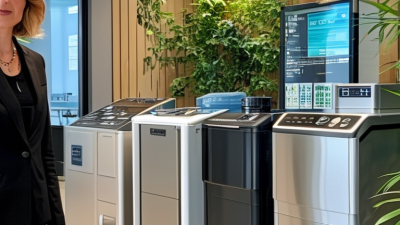
Types of Dewatering Presses Available from Chinese Manufacturers

Types of Dewatering Presses Available from Chinese Manufacturers

Chinese manufacturers supply several dewatering press types for municipal, industrial, and agricultural sludge treatment. The right choice depends on sludge concentration, daily capacity, target cake moisture, and available labor. In practical projects, screw presses are popular for continuous operation. Their enclosed structure limits splashing and odors. They usually require less washing water and lower operator attention. However, fibrous sludge may wrap around the screw, so pretreatment still matters.

Belt filter presses use gravity drainage and compression rollers. They suit medium to large flows and allow visible process inspection. Operators can adjust belt speed, tension, and polymer dosage. Plate-and-frame presses provide stronger pressure and often produce drier filter cakes. They work well when batch operation is acceptable. Recessed chamber filter presses offer similar pressure performance, but their cycle time can slow high-volume treatment.

Rotary drum thickening systems are sometimes paired with a press. They improve sludge concentration before mechanical dewatering. Chinese factories may also customize frame materials, cloth types, control panels, and washing systems.

A professional buyer should request sludge testing, capacity calculations, component drawings, and trial results. Ask for actual cake moisture data, not only catalogue figures. No selection is perfect. Site conditions can change performance sharply. Polymer quality, temperature, and feeding stability are easy to underestimate. I would compare two or three tested configurations before approving production. Reliable suppliers should explain maintenance intervals, spare parts, safety protection, and commissioning support in clear technical documents.

How to Evaluate China-Based Dewatering Press Suppliers

Evaluating China-based dewatering press suppliers requires more than comparing quotations. The World Bank’s 2019 report, Wastewater: From Waste to Resource, states that over 80% of global wastewater is released without adequate treatment. This pressure makes reliable sludge separation increasingly important. Buyers should check actual throughput, cake dryness, polymer consumption, and power use under similar sludge conditions. Request test data, not only catalogue figures. A credible supplier can provide factory records, material certificates, and operating videos. Site experience matters here.

Tips: Ask for a witnessed sludge trial. Measure cake moisture independently. Check whether stainless steel grades match the application. Review ISO 9001 procedures, inspection records, spare-part availability, and export documentation. The UN World Water Development Report 2024 also highlights rising water stress and stronger demand for efficient water management. That supports long-term investment, but it does not guarantee every supplier’s performance.

Inspect the frame welds and filter assembly closely. Small manufacturing details often predict maintenance problems. Ask how the supplier handles cloth replacement, corrosion, and emergency support across time zones. A factory may report excellent laboratory results, yet field sludge can behave differently. I have seen specifications look precise while test conditions remained vague. That is a warning. Compare at least three suppliers using identical feed solids, flow rate, and testing duration. Require a written acceptance standard before payment. A modestly higher price may be safer when it includes commissioning, training, and documented performance.

Manufacturing Quality, Certifications, and Export Capabilities

China’s best dewatering press manufacturers must prove quality beyond polished factory photographs. Buyers should inspect weld penetration, frame alignment, screw torque, and corrosion protection. The water matters.

The UN World Water Development Report 2024 highlights growing pressure to reuse water and improve wastewater management. This increases demand for stable sludge dewatering, especially where disposal costs are rising.

A reliable manufacturer should provide tested throughput, cake dryness, polymer consumption, and noise readings. These figures should come from factory acceptance tests, not sales estimates.

ISO 9001 certification supports controlled production, while ISO 14001 and ISO 45001 indicate structured environmental and occupational safety systems. Certificates alone are not enough. Buyers should verify certificate scope, issuing bodies, and current validity.


Export capability requires more than a shipping department. Experienced suppliers prepare English manuals, electrical diagrams, spare-parts lists, packing records, and installation guidance.

CE conformity may support European shipments, but destination-country requirements still need separate review. International shipments also benefit from serial-number traceability and documented material certificates for pressure-bearing or wetted parts.

The ISO Survey 2023 reported more than 1.2 million ISO 9001 certificates worldwide, showing certification’s broad use, but not guaranteeing machine performance. That distinction deserves attention.

A stronger evaluation includes video testing with representative sludge, moisture sampling, and a clear warranty response process.

Some manufacturers still understate polymer demand or cake moisture; buyers should question these claims before signing.

Purchasing, Installation, and After-Sales Support for Global Buyers

For global buyers, selecting a China-based dewatering press manufacturer requires more than comparing prices. UN-Water’s 2021 report estimates that 80% of global wastewater remains untreated. This pressure makes reliable sludge handling essential. A detailed RFQ should state sludge type, feed solids, hourly capacity, polymer use, corrosion risks, and expected cake dryness. Ask for test results using your own sludge. Factory data alone can mislead.

Installation needs practical planning. Confirm foundation loads, drainage, electrical standards, safety guarding, and spare-parts availability before shipment. Request digital drawings, wiring diagrams, and a commissioning schedule. Operators should receive hands-on training near the control panel, not only a remote presentation. A small mistake in polymer dosing can produce wet cake and unstable filtrate. It happens.

After-sales support should include response times, remote diagnostics, consumable lists, and local service options. McKinsey & Company’s 2021 maintenance research indicates that predictive maintenance may reduce downtime by 30–50% and maintenance costs by 10–40%. Buyers should request vibration checks, bearing inspections, and routine calibration records. A 12-month warranty is useful, but documented service procedures matter more. Seasonal sludge changes can defeat an otherwise careful design. Rechecking performance after three months is wise.